>>
Industry>>
Media and entertainment>>
Enhancing Video Quality: Real-...Enhancing Video Quality: Real-World Practices, Use Cases, and Next-Gen Trends
The Silicon Review
29 January, 2026
Video quality has quietly become one of the deciding factors in how content is received online. Viewers may not always articulate what feels “off,” but they notice immediately when visuals look outdated, blurry, or inconsistent. As a result, improving video quality is no longer just a concern for post-production specialists. It has become part of everyday workflows for creators, educators, marketers, and media teams.
In recent years, a growing number of professionals have turned to dedicated enhancement tools—such as UniFab Video Enhancer AI—alongside traditional editing software. Not as a replacement for creative work, but as a way to bring older or imperfect footage closer to modern viewing expectations. This shift reflects a broader change in how video quality is defined and maintained today.
Rethinking What “High-Quality Video” Means
It is easy to equate video quality with resolution alone. While resolution matters, it is only one piece of a larger picture. Sharpness, color balance, motion smoothness, and visual noise all play an equally important role in how a video is perceived.
For example, many high-resolution videos still look unpolished due to harsh lighting, compression artifacts, or uneven colors between scenes. On the other hand, some older HD or even SD footage can feel surprisingly watchable after thoughtful cleanup and color correction. In practice, quality is less about chasing technical specifications and more about visual comfort and consistency.
Common and Effective Ways to Improve Video Quality
Making Older Footage Work on Modern Screens
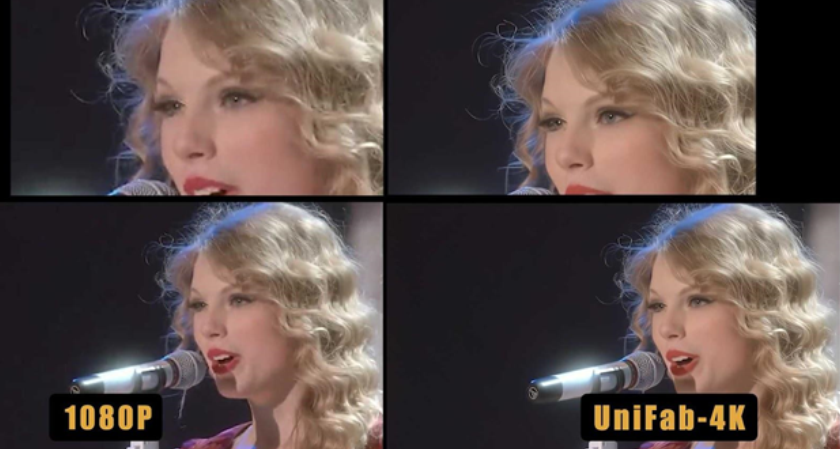
A large portion of existing video content was created before 4K displays became common. When this footage is shown on larger, higher-resolution screens, flaws become more visible. Upscaling has become a practical solution, particularly when paired with detail reconstruction rather than simple resizing. The goal is not to make old footage look new, but to make it feel appropriate for current viewing standards.
Reducing Noise Without Losing Character
Noise is one of the most frequent issues in video, especially in low-light recordings or older archives. Removing it entirely can sometimes make footage look artificial. A more effective approach focuses on reducing distractions while preserving texture and natural detail. When done carefully, noise reduction improves clarity without stripping the video of its original character.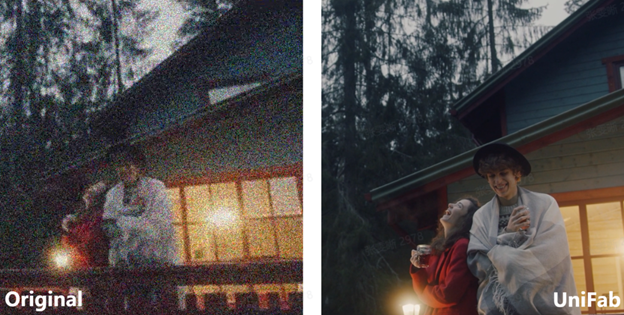
Improving Color for Better Readability
Color correction often delivers the most noticeable improvement with the least effort. Adjusting exposure, fixing white balance, and aligning colors across scenes can make a video feel more cohesive. This is particularly important for educational and corporate content, where clarity and consistency matter more than stylized grading.
Smoother Motion for a Better Viewing Experience
Uneven motion or low frame rates can cause visual fatigue, especially during longer videos. Motion enhancement techniques, including frame interpolation, are increasingly used to make playback smoother on modern devices. While not suitable for every project, they can significantly improve the experience for certain types of content.
Where Video Enhancement Is Commonly Used
Online Content and Media Libraries
Content creators and publishers frequently revisit older videos to keep them relevant. Instead of re-shooting, enhancement allows existing material to remain usable and competitive, particularly on platforms where visual quality influences audience retention.
Education and Training Content
In e-learning, video quality directly affects comprehension. Blurry text or unclear visuals can undermine otherwise well-structured lessons. Enhancing recorded lectures or training videos is often more practical than producing new ones, especially when content needs to be updated quickly.
Business and Internal Communication
Companies rely on video for onboarding, presentations, and internal updates. Enhancing these videos helps maintain a professional standard and ensures content looks consistent across different departments and distribution channels.
Preservation and Archival Work
Archives and broadcasters use enhancement techniques to make historical footage accessible on modern screens. The focus is typically on restoration rather than transformation, ensuring that visual improvements do not alter the original context or intent.
AI’s Role in Today’s Enhancement Workflows
AI has become part of many video enhancement processes, largely because it reduces manual effort for repetitive tasks. Instead of applying the same settings across an entire project, AI-driven tools can analyze footage scene by scene and adapt accordingly.
Tools like UniFab AI are often used in this context—as part of a broader workflow rather than a one-click solution. When used with restraint, AI-based enhancement can save time while producing results that remain visually natural and editorially acceptable.
What’s Next for Video Enhancement
Looking ahead, video enhancement is moving toward more flexible and responsible use. Automation is becoming easier to access, but users increasingly expect the ability to fine-tune results. Support for higher resolutions continues to expand, while discussions around ethical restoration are becoming more prominent, particularly in documentary and archival projects.
Conclusion
Enhancing video quality is no longer about making content look impressive for its own sake. It is about clarity, accessibility, and relevance. With a combination of practical techniques and carefully applied tools, creators and organizations can extend the lifespan of their video content and meet the expectations of modern audiences.
As video continues to shape how information is shared, thoughtful enhancement will remain an essential part of producing content that feels credible, usable, and worth watching.
MOST VIEWED ARTICLES
RECOMMENDED NEWS








LATEST NEWS


TOP NEWS
YOU MAY ALSO LIKE


_2025-11-17_06-38-14.webp)


_2025-12-15_12-44-58.webp)


 (1)_2025-10-21_13-35-14.webp)