>>
Industry>>
Supply chain management>>
The Role of MRP in Managing In...The Role of MRP in Managing Inventory and Production

The Silicon Review
29 January, 2026
Author:
The Silicon Review Team
Material Requirements Planning sits at the center of smart manufacturing. It turns sales demand into a clear plan for materials, labor, and machine time. With a good MRP setup, you cut waste, keep shelves balanced, and ship on time.
What MRP Really Does
At its core, MRP converts demand into time-phased supply. It breaks finished goods into parts and raw materials, then schedules when each piece is needed. The result is a clean picture of what to buy, what to make, and when to do it.
A well-tuned MRP answers three big questions: what do we need, how much, and by when. SAP explains that MRP plans manufacturing production to meet demand while lifting overall productivity. This turns chaotic orders into a steady, predictable workflow.
Matching Demand To Supply
MRP starts with demand signals like sales orders, forecasts, and safety stock targets. It compares those needs to what you already have on the shelf and what is arriving from open purchase orders, then nets the difference to expose true shortages. That gap becomes time-phased planned orders for purchasing and manufacturing, so every item is lined up for when it is actually needed. The result is a living plan that adjusts as orders change or inventory counts are corrected.
Timing is the secret sauce - lead times, minimum order quantities, and lot-sizing rules shape when to place orders and how big they should be. MRP also respects dependencies in the bill of materials, so lower-level parts are ready before upper-level assemblies start. Planners can review the messages, confirm dates with suppliers, and firm only the orders that fit capacity, which keeps noise out of the schedule. As the cycle repeats, the plan tightens, buffers shrink, and the shop spends less time firefighting.
Works Orders And Shop Floor Control
Once plans are set, MRP releases work orders to the floor. These orders define which item to build, the routing steps, and the materials to issue. They also capture progress and yield, which feeds back into future planning. The shop team needs a simple way to raise, track, and close work-production work, and options like production works order tools help bridge the gap between the plan and the machines. They make it easier to issue components, record labor, and flag problems fast. With tight links to MRP, every move on the floor updates the plan in near real time.
Inventory Accuracy That Scales
Inventory is the fuel for production, and MRP keeps it tuned. It prevents overbuying by aligning purchases with real needs. It also avoids shortages by looking ahead at demand spikes and long lead items.
Use these basics to improve lift accuracy:
- Keep lead times and lot sizes current
- Reconcile bills of materials after every engineering change
- Cycle count high movers more often
- Close or cancel stale orders that will never run
- Track scrap and rework as separate transactions
When records match reality, planners can trust the signals. That trust means fewer expedites, fewer stockouts, and smoother cash flow.
Data That Drives Better Scheduling
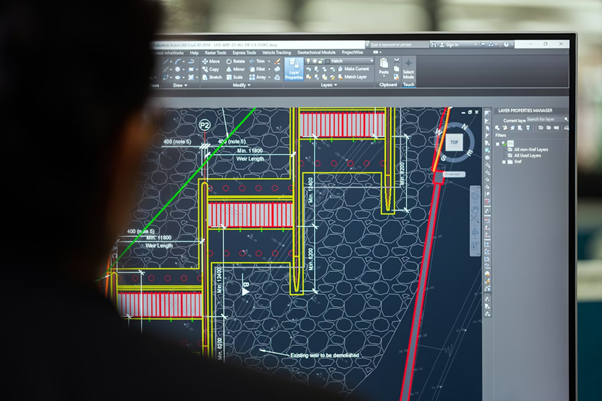
Clean master data makes or breaks MRP. Bills of materials define what goes into each product. Routings set the sequence and time for each step. If either is wrong, the plan will drift.
Shop feedback closes the loop. Actual run times and yields refine plans. Over a few cycles, the plan gets sharper, and buffers can shrink without hurting service.
Key planning signals
- Demand: orders, forecasts, and safety stock
- Supply: on hand, on order, and reserved quantities
- Parameters: lead times, lot sizes, and reorder rules
Each signal is simple, but together they guide every buy and build decision.
From Plan To Action
A good MRP run produces clear messages for buyers and schedulers. Buyers see planned purchase orders with due dates that match need. Schedulers see planned work orders that respect capacity and sequence.
Daily discipline matters. Review exceptions, confirm dates with suppliers, and release only the work orders you can run. Tight routines keep noise out of the system so the plan stays believable.
Measuring What Matters
Select a handful of KPIs that directly align with the customer promise. On-time in full shows if orders arrive when and how customers expect. Pair it with schedule adherence and inventory turns to see if the plan is realistic and stock is healthy.
Build each KPI from simple inputs you can trust. Vendor on-time performance supports buyer plans, while runtime accuracy at each work center supports the schedule. Add cycle count accuracy and scrap rate so inventory values reflect reality, and problems show up early.
Make the cadence light but consistent. Review trends weekly, drill into exceptions, and agree on one owner per metric so fixes do not stall. When OTIF, adherence, and turns improve together - and firefighting calls drop - you know MRP is guiding the shop, not chasing it.
MRP works best when teams share one source of truth. Keep parameters fresh, close feedback loops, and make small changes often. Do that, and your plan will stay honest, your inventory will stay lean, and your customers will feel the difference.