>>
Industry>>
Travel and hospitality>>
Life on the Business Road: Tip...Life on the Business Road: Tips to Travel Smarter
The Silicon Review
29 January, 2026
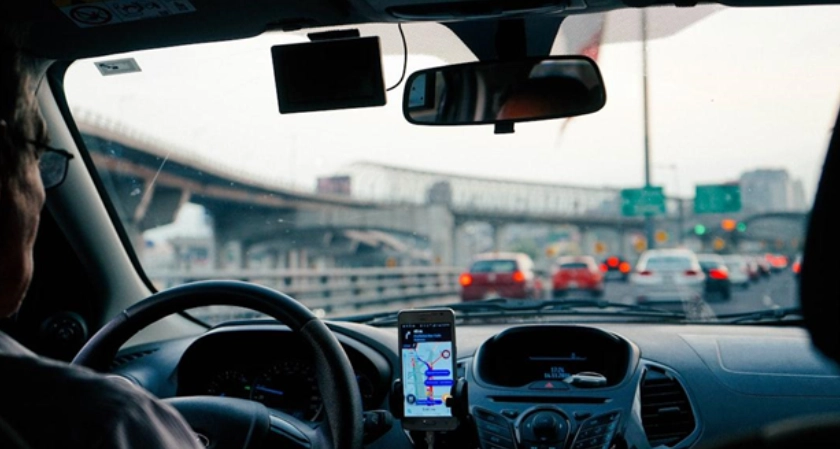
Business travel asks a lot of you. You juggle meetings, deadlines, and unfamiliar roads while trying to stay sharp. With a few simple systems, you can cut stress, move faster, and arrive ready to work. These tips focus on the road itself: the stretch where small choices make a big difference.
Build a Simple Safety Routine
Make the start of every drive automatic. Do a 20-second check: seat and mirrors, belt snug at the hip, headrest level with the crown of your head. Put your phone out of reach so you are not tempted to glance at it.
Carry an emergency card with key contacts and any allergies. Keep HR and supervisor numbers in your glove box and practice calm pull-overs in low traffic areas, so using hazards and triangles feels natural when you need it.
Make your routine visible to others. Signal early, keep a 3-second following gap, and tap your brakes lightly to show you are slowing before you actually brake. These small cues help other drivers read your moves and reduce surprise.
Share the Road With Trucks the Smart Way
Heavy vehicles need extra space to stop and turn. Give trucks room to merge, and never linger beside the cab where you sit in a blind spot. When passing, do it decisively and return only when you see the full grille in your mirror.
The stakes are real for everyone who drives near freight. If an accident happens on the road, call in a specialized lawyer to handle the laws regarding truck collisions. FMCSA data show that, in 2022, there were 5,476 fatal crashes involving large trucks and buses. Treat that number as a cue to leave wide cushions, avoid cutting in tight, and plan exits early so you are not weaving near off-ramps.
Plan Timing and Routes With Purpose
Think about when and where you drive before you grab the keys. Early departures help you avoid peak traffic and give you a buffer if something goes wrong. If you must drive at night, schedule a short walk or stretch break every 90 minutes to refresh your focus.
Safer roads are not a given, but recent trends are encouraging. Early estimates from NHTSA show traffic deaths have declined for 9 straight quarters, which is a reminder that steady habits pay off. Use that momentum to your advantage by choosing well-lit routes, limiting late starts, and relying on navigation apps that show live hazards.
Pick Safer Rentals and Use the Tech You Have
Start your trip at the counter by asking for a car with proven crash avoidance features. Look for forward collision warning and automatic emergency braking, plus blind spot monitoring if you will be on multi lane highways. The Insurance Institute for Highway Safety reported that 22 of the newest 30 vehicles tested earned good or acceptable ratings in a tougher front crash prevention test at higher speeds, a sign that today’s systems can do more when you need them.
Do a 2-minute tech setup before you leave the lot. Pair your phone, set audio to a comfortable level, and adjust driver aids. Remember that these tools assist but do not replace attention, so keep your hands on the wheel and eyes up.
- Turn on lane keeping assist and confirm gentle steering support
- Set the adaptive cruise to maintain a longer following gap
- Enable speed limit display to reduce unplanned speeding
- Check rear cross-traffic alerts in the settings menu
Manage Fatigue Like a Pro
Work travel compresses your day, and fatigue sneaks up fast. Use the 2-hour or 100-mile rule for breaks, whichever comes first. Caffeine helps, but don’t forget to switch to water to avoid crashing later.
The problem is not small. The National Safety Council estimates that roughly 44,680 people died in preventable traffic crashes in 2024, a sober reminder to treat rest as part of the job. Power naps of 15 to 20 minutes can reset your alertness. Park safely, set an alarm, recline slightly, and give yourself a short walk before you start again.
Stay Flexible When Plans Shift
Build margin into your schedule so traffic or weather does not wreck your day. Add 15 minutes per hour of drive time as a buffer for city routes, and double-check your route the night before for construction. If a meeting moves, reschedule from a safe pull-off rather than trying to message at a light.
Have a Plan B for lodging and fuel. Save an offline map, know 2 backup stations along the route, and pick hotels with late check-in windows. Keep receipts and a simple travel log so you can adjust expense reports quickly when the plan changes.

Road work is part of modern business. With a few smart habits and steady routines, you reduce risk and protect your time. Travel can sharpen your day when the car becomes a calm, well-set workspace, and the miles feel lighter when you get home safe.
MOST VIEWED ARTICLES
RECOMMENDED NEWS








LATEST NEWS


Artificial Intelligence News
Startups News


_2025-11-17_06-38-14.webp)