>>
Industry>>
Healthcare>>
Assisted Living for Couples: W...Assisted Living for Couples: What Families Should Know
The Silicon Review
04 February, 2026
Author:
The Silicon Review Team
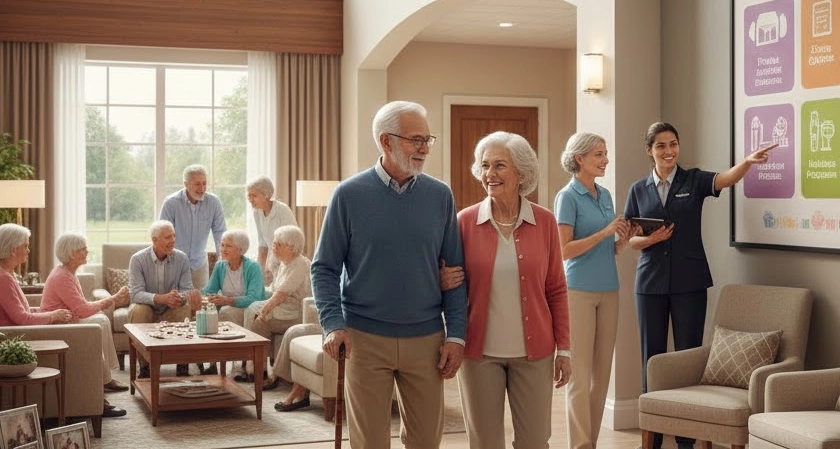
Housing for couples provides its own unique set of challenges and opportunities. Plenty of families would like to see if they can help their loved ones stay together as they progress through the aging process. Assisted living gives partners the opportunity to share their everyday lives while also getting the care that they require. Knowledge of these factors allows families to be mindful about what is best for each family member.
Benefits of Shared Housing
Being with a partner during their later years and sharing space in helpful situations may soothe them. Couples can carry on with their routines and traditions in shared apartments or suites. It can also be comforting for couples to be around other couples who have similar experiences. This arrangement can diminish the feeling of loneliness or anxiety. It also helps partners engage in emotional and physical support.
Personalized Care Plans
Every couple has different needs and desires. Care providers at facilities for assisted living in Los Angeles often customize a plan that takes both people into account. These plans may also address medical needs, daily activities, and social tasks. Experts supervise wellness and adapt assistance accordingly as requirements grow. Perhaps this is where having care staff on hand to assist each partner with medication, mobility, or meals would be beneficial to their family unit.
Privacy and Independence
Many older adults have the desire to stay out of assisted living as long as possible. Couples also typically have their room or apartment in assisted living communities. This setup enables partners to have their space while being able to access common amenities. Couples either partake in group activities or have the option to quietly spend their time with each other. A balance of privacy, coupled with support, encourages dignity and self-worth.
Social Opportunities
Social activities can enhance the experience of day-to-day living. Most communities offer organized events, outings, and classes for residents. Individuals or couples can participate in these activities, either alone or together. Your relationships with your neighbors and the staff shape your sense of belonging. A certain amount of social engagement can also be beneficial for a positive perspective and mental health.
Financial Considerations
For many families, cost is still a critical consideration. Location, apartment size, and the level of care required determine the cost of assisted living. On the other hand, living with a partner means that two people are sharing the bills, and sometimes, this combination lowers living costs compared to individual levels. Financial planning should consider short-term needs and the long-term possibility of care. Advisors can help families navigate payment options and resources they may not yet be aware of.
Transition Process
Making the change to assisted living can bring on mixed feelings and challenges. For couples, moving out of the home or adapting to modified daily practices may be nerve-racking. Support staff can assist and walk families through the process. Transparency assists in resolving queries and worries. Families can plan and visit the community before moving day, which helps ease the transition process.
Health Changes and Flexibility
Over time, health needs can shift, potentially impacting one partner more than the other. Assisted living facilities intend to provide adaptable, personalized help based on changing conditions. They can modify arrangements when one partner requires additional care or support. It means couples stay together whenever they can, even if needs are a lot higher. These assessments help ensure that care remains appropriate for each other.
Staff Training and Support
Trained staff members deal with the particular dynamics involved when partners are living together. That builds trust because you are sensitive to privacy, communication, and shared decision-making. Continual education helps keep the care respectful and consistent. Families benefit when they understand that their loved ones receive compassionate and respectful care.
Conclusion
When it comes to couples living in supported accommodation, it is best to plan very carefully and to communicate with one another fully. Knowledge is power, especially when choosing what is best for your families. Partners can benefit from shared housing, individual support tailored to their needs, and plenty of social engagement to keep both partners thriving. With gradual nurture and support, many couples can expect to still enjoy special days together for many years as their lives evolve and their relationship matures with them.