>>
Technology>>
Networking>>
How Modern Tools Help Reduce R...How Modern Tools Help Reduce Risks of Identity Theft in Daily Life
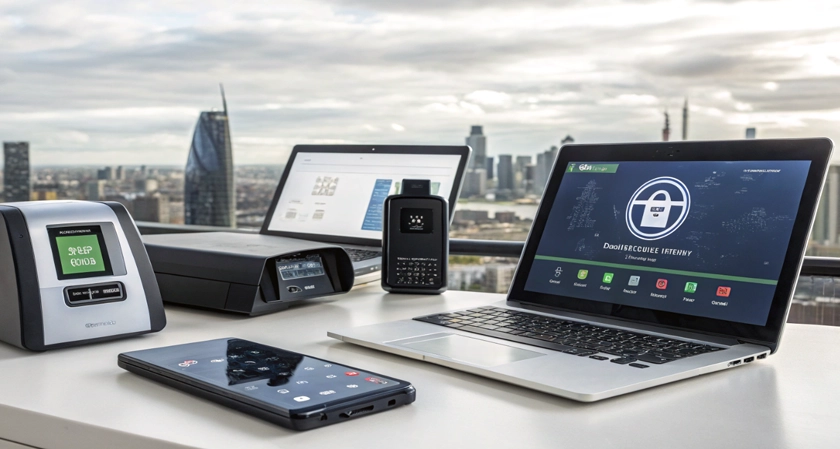
Safeguarding personal data no longer revolves around shredding paper statements. Today, maintaining a secure identity requires a blend of smart habits and high-tech solutions. From mobile apps to bank logins, modern technology offers powerful layers of defense.
Staying informed about security trends helps you stay one step ahead of those looking to exploit your information. New threats emerge as criminals find ways to bypass old protections. Taking a proactive approach keeps your sensitive details private and your accounts safe.

Advanced Authentication Systems
The days of relying solely on a simple password are over. One of the most effective ways to protect yourself is by using multi-factor authentication (MFA). A recent report highlighted that MFA can prevent more than 99.9% of attempts to hack accounts.
This system requires a second form of verification, like a code sent to your phone or a specialized app. Learning how to prevent identity theft is a top priority for people using online banking. These tools make it much harder for criminals to bypass your security compared to traditional text messages.
Biometric Security Features
Biometrics are becoming a common part of daily life. Facial recognition, fingerprint scanning, and iris detection are more sophisticated than ever. These tools verify your identity based on unique physical traits that are difficult to replicate.
Many people feel safer using these methods for their devices. One study noted that 72% of consumers globally prefer facial biometrics over passwords. These physical identifiers provide a seamless way to access data without memorizing long strings of characters.
Modern systems are moving toward multi-modal biometrics. This approach combines several indicators to boost accuracy and counter deepfakes or high-tech fraud. Using a glance or a fingerprint to unlock your accounts makes security simpler for the average user.
Artificial Intelligence In Fraud Detection
Artificial intelligence is a powerful ally in the fight against identity crime. AI algorithms can analyze massive amounts of data in real time to spot unusual patterns. These tools are used by financial institutions to detect suspicious transactions or login attempts instantly.
- Multi-step fraud attacks involving several coordinated stages rose by 180% year-over-year in 2025.
- Modern software can analyze text for anomalies to flag suspicious activity before funds leave an account.
- Security teams using these tools can identify threats much faster than manual reviews.
AI systems learn from every interaction to improve their detection capabilities. This means the software becomes more effective at stopping fraud as it encounters new tactics. Having this automated eye on your accounts provides constant protection without any extra effort from you.
Digital Wallets And Secure ID Storage
Digital wallets are changing how people carry sensitive information. These apps allow you to store national identities, driver's licenses, and bank credentials on your smartphone. Instead of carrying physical cards that can be lost or stolen, your data stays encrypted and protected.
The move toward decentralized identity models is gaining momentum. This allows individuals to own and manage their digital identities without relying on a central authority. This trend gives you more control over your data and aligns with privacy regulations.
The global digital wallet market is expected to reach over $10 trillion by 2025. This growth is driven by the demand for secure and convenient payments. By using these digital vaults, you reduce the risk of physical document theft and keep information accessible.
Monitoring And Alert Services
Constant vigilance is easier with automated monitoring tools. Identity protection services use AI to scan the dark web and public records for signs of your information being misused. These platforms provide near-real-time alerts if your personal data appears in a breach.
- Specialized agencies notified entities more than 1,700 times of malicious cyber activity during FY2024-2025.
- Real-time anomaly detection systems monitor digital interactions and flag suspicious activities immediately.
- Some tools offer comprehensive monitoring of digital signatures and security logs to maintain data privacy.
These alerts give you the chance to act before a criminal can do significant damage. If a new credit card is opened in your name, you will know within minutes. This rapid response is the best way to stop identity thieves in their tracks.
Protecting Your Home Network
Securing your personal internet connection is a part of identity defense. Using a router with updated firmware and strong encryption protects every device in your home. It is wise to use tools that offer out-of-band verification for high-risk actions to add safety.
Virtual private networks (VPNs) provide another layer of safety when you are online. A VPN encrypts your connection, making it much harder for hackers to intercept your data on public networks.
Most modern routers now include built-in security suites that block known malicious websites. These filters prevent you from accidentally landing on a phishing page designed to steal your login info.
Managing your identity in a digital world requires the right set of tools. As the threats are becoming more complex, the technology available to defend yourself is advancing.
By adopting biometrics, multi-factor authentication, and automated monitoring, you can lower your risk of becoming a victim.