>>
Industry>>
Healthcare>>
Zepbound vs Wegovy: One Hormon...Zepbound vs Wegovy: One Hormone or Two, Here's What Changes
The Silicon Review
11 February, 2026
Author:
The Silicon Review Team
The Real Story Behind Two Major Weight Loss Medications
Millions of adults with obesity are looking for solutions that truly work. The comparison of zepbound vs wegovy has become one of the most searched health topics, and for good reason.
Both medications gained FDA approval for treating obesity, but they work differently in your body. Understanding the key differences helps you make informed decisions with a healthcare provider.
What Makes Each Medication Different
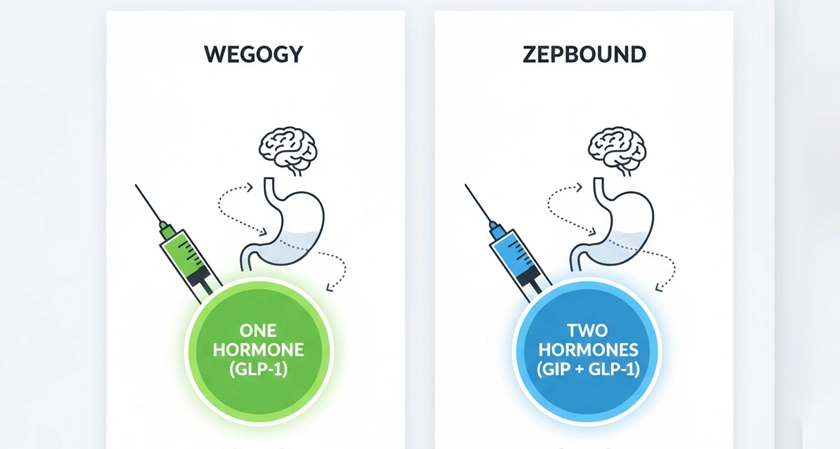
Wegovy hit the market first. It contains semaglutide, a GLP-1 receptor agonist that mimics one hormone your body produces naturally. The medication works by signaling fullness to your brain and helping slow digestion.
Zepbound arrived later with a different approach. It activates two hormones instead of one, GLP-1 and glucose-dependent insulinotropic polypeptide (GIP). Some researchers believe targeting both pathways might lead to better results.
Clinical trials showed both drugs help people lose weight significantly. But the numbers tell different stories.
The Weight Loss Results
People using Wegovy in studies lost around 15% of their body weight on average. That's meaningful progress for treating obesity and related health conditions.
Zepbound showed even higher average weight loss in trials, up to 22% of body weight. The dual-hormone mechanism appears to impact how the body adjusts to calorie restriction.
But here's what matters more than percentages: how much weight someone loses depends on multiple factors. Starting body mass index, healthy lifestyle changes, genetics, and personal or family history all play roles.
Neither medication works without commitment. Both require healthy eating patterns and regular movement. The drugs decrease appetite and help the stomach empty more slowly, but they're tools, not magic solutions.
Who Can Use These Medications
FDA approval for both covers adults with obesity or those who are overweight with at least one weight-related health condition. Examples include high blood pressure, cardiovascular disease, or obstructive sleep apnea.
Healthcare providers evaluate medical conditions before prescribing. People with a family history of medullary thyroid carcinoma or multiple endocrine neoplasia syndrome type 2 cannot use either drug. The medications carry warnings about thyroid C cell tumors.
Blood sugar levels matter too. Wegovy helps treat diabetes in some patients, though it's primarily for weight management. Zepbound received separate approval for type 2 diabetes under a different name.
Liver disease, severe stomach problems, or a history of certain adverse events may rule out these treatments. Comprehensive weight control center evaluations help determine if you're a candidate.
How You Take Them
Both are injectable medications given once weekly. The injections go into the abdomen, thigh, or upper arm using pre-filled pens.
Treatment starts at a low dose, then gradually increases over four weeks or more. The slow approach helps reduce common side effects while the body adjusts.
Most common side effects include nausea, vomiting, diarrhea, and constipation. Stomach problems tend to improve as treatment continues. More serious risks include allergic reactions, gallbladder issues, and in rare cases, suicidal ideation or mood changes.
If someone on zepbound discontinued treatment suddenly, weight often returns. Long-term weight management requires ongoing medication or maintaining healthy lifestyle changes independently.
Cost and Access
Insurance coverage varies widely. Some plans cover weight loss medications, others don't. Many insurers require documentation of failed attempts at weight loss through diet and exercise first.
Without coverage, list price runs high, over $1,000 monthly for either medication. Eli Lilly and Novo Nordisk (the manufacturers) offer savings programs for eligible patients.
The Zepbound cost and Wegovy expenses create real barriers. Some people cycle on and off treatment due to expense, which impacts results.
Health Benefits Beyond Weight
Losing excess weight reduces risk for multiple conditions. Heart disease, heart attack, stroke, high cholesterol, sleep apnea, and certain cancers all become less likely as body weight decreases.
Clinical trials published in the New England Journal of Medicine showed cardiovascular benefits. People taking semaglutide had fewer major cardiac events compared to placebo groups.
Weight loss drugs also improve markers like blood sugar control, blood pressure, and inflammation. Overall health improves when obesity treatment succeeds.
Making Your Decision
Choosing between weight loss medications isn't simple. Weill Cornell Medicine researchers and other experts note that individual response varies.
Some people respond better to the dual-hormone approach in Zepbound. Others do well with Wegovy's single-hormone mechanism. Genetics, metabolism, and other factors influence which works best.
Working with a healthcare provider at a comprehensive weight control center gives you the best shot at success. They monitor progress, adjust doses, manage side effects, and help coordinate with healthy eating plans and stress management.
Neither drug replaces lifestyle modification. Regular physical activity, balanced calorie intake, and behavior changes form the foundation. Medications amplify those efforts.
Frequently Asked Questions
Are Zepbound and Wegovy both FDA-approved for treating obesity?
Yes, both are FDA-approved new weight loss drug options that work through different hormone pathways to help adults lose weight.
How much weight have people on Zepbound lost compared to Wegovy in clinical studies?
Clinical trials show zepbound lost participants averaged 22% body weight reduction, while wegovy compare studies showed around 15% average loss.
Do these medications cause low blood sugar in people without diabetes?
Low blood sugar risk remains very low for people without diabetes, though combining either medication with certain diabetes drugs increases the possibility.