>>
Industry>>
Waste Management>>
Waste Management Challenges on...Waste Management Challenges on Commercial Properties
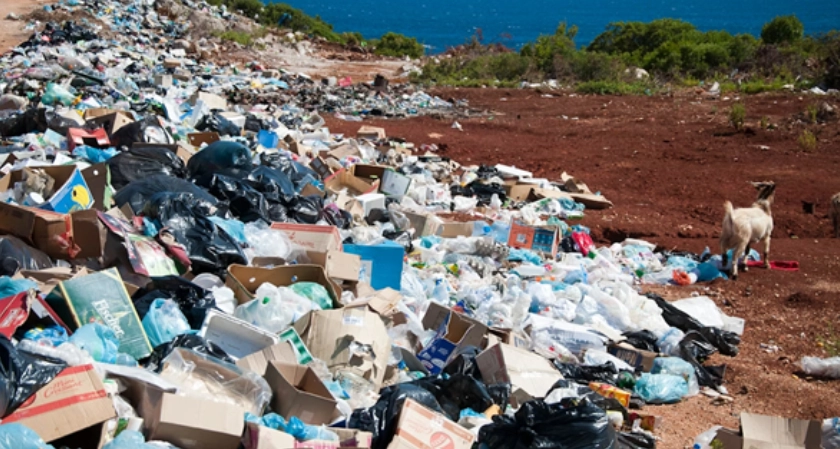
Managing trash on a business property involves more than just tossing bags into a bin. It requires a strategy that balances daily operations with long-term efficiency. Many owners struggle to find a system that keeps their site clean without breaking the budget. From overflowing bins to missed pickups, these hurdles can disrupt a workday quickly. Understanding these common roadblocks helps property managers stay ahead of the curve.
Logistics of Commercial Waste
Getting a trash truck in and out of a tight parking lot takes precision. Businesses often coordinate with residential and commercial dumpster rentals to keep their debris under control throughout the month. This service provides the necessary volume for high-traffic sites. Finding the right placement for these containers prevents blocked exits and safety hazards.
Drivers need clear paths to reach heavy containers without hitting parked cars. If a truck cannot reach the bin, the trash sits for another week. This delay causes smells and attracts pests. Clear signage helps visitors keep the loading zone open.
Regular schedules keep the workflow moving smoothly. Unexpected surges in trash can throw a whole week off track. Managers should monitor volume levels to adjust their pickup frequency. This proactive approach keeps the property looking professional.
Navigating Space Constraints
Urban properties often lack the room needed for large staging areas. Small alleyways or shared docks create tight squeezes for heavy machinery. Managers must maximize every square foot to avoid clutter.
- Wall-mounted compactors save floor space.
- Vertical balers help process cardboard.
- Scheduled pickups reduce the time waste sits on-site.
Back-of-house areas become messy when bins are too small for the job. Workers might start piling bags on the ground. This habit creates a tripping hazard for everyone on the site. Keeping things tidy starts with having the right equipment for the square footage.
Choosing smaller bins that get emptied more often works for tiny lots. It might cost more in travel fees, but it keeps the area safe. Balance the cost of pickups with the need for a clean footprint.
Dealing With Industrial Waste Streams
Managing heavy debris from manufacturing or construction requires specialized equipment. A report from a market analysis firm mentioned that the global industrial waste sector reached $98.89 billion. This massive scale shows how much material businesses generate every day. Choosing the wrong container for these materials leads to weight violations or property damage.
Metals and concrete cannot go into standard commercial bins. These materials are too heavy for regular lift trucks. Using a heavy-duty container meant for construction keeps the equipment from breaking. It keeps the haulers safe during the lifting process.
Properly identifying waste types saves money on disposal fees. Mixing heavy items with light trash increases the total weight cost. Separating these streams at the start is a smart move. Staff members need instructions on where to put specific items.
Escalating Disposal Costs
Tipping fees and fuel surcharges continue to rise across the country. Companies find their monthly bills creeping up without warning. Monitoring these expenses is necessary for maintaining a healthy bottom line. Managers often look for ways to consolidate pickups to save money.
Hidden fees for overfilled bins add up quickly. If a lid cannot close, the hauler might charge an extra $50. Keeping bins at the right level prevents these surprise costs. It keeps the property from looking neglected.
Negotiating contracts with local haulers can lower long-term rates. Shop around to see what different providers offer for similar services. Some companies include maintenance or cleaning in their base price. This comparison helps find the best value for the budget.
Managing Digital Reporting and Data
Modern compliance requires detailed tracking of where every ton of trash goes. One industry update shared that digital reporting platforms became the standard in 2026 for tracking data across multiple sites. Using these tools helps businesses avoid fines and meet local mandates. Accurate records simplify the process of renewing permits.
Spreadsheets are no longer enough for big commercial sites. Automation reduces the chance of human error in reporting. It allows managers to see real-time data on their waste production. They can spot trends and cut down on unnecessary pickups.
Sharing this data with stakeholders proves the company is meeting its goals. Clear charts show progress in recycling and waste reduction. This transparency builds trust with partners and investors. It turns a chore into a valuable business metric.
Sustainability and Market Valuation
Customers now expect businesses to show proof of green initiatives. Recent research valued the waste management market at $1.5 trillion, with growth expected to continue through the rest of 2026. This financial trend reflects the high demand for effective recycling programs. Investing in better sorting systems pays off through improved brand reputation.
Landfill space is shrinking, which drives up the cost of standard disposal. Diverting material to recycling centers keeps costs more stable. It keeps a company in line with modern environmental standards. Smart managers view recycling as a way to control their future expenses.
Training employees on what can be recycled is a continuous task. Rules change depending on the local processing plant. Clear posters near the bins help reduce mistakes. This effort keeps the recycling stream clean and valuable.
Handling Hazardous Materials
Chemicals and electronics cannot go into a standard bin. These items require separate handling to stay within environmental laws. Mixing them with regular trash puts the property at risk.
- Label all bins clearly to prevent cross-contamination.
- Train staff on proper disposal methods for oils or paints.
- Partner with certified haulers for toxic materials.
Old batteries and light bulbs contain heavy metals that leak into the soil. Throwing them in the dumpster is illegal in many cities.
Businesses should have a dedicated area for e-waste. This keeps the regular trash safe for standard hauling.
Keeping a log of hazardous waste shipments is a legal requirement. Inspectors might ask to see these records during a site visit. Having them ready shows the business takes safety seriously. It prevents costly legal battles and environmental fines.
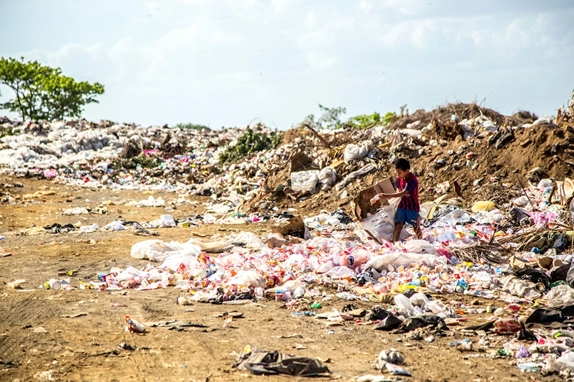
Managing a commercial site means staying on top of every detail. Trash might seem like a small part of the job, but it impacts safety and costs every day. Finding a reliable partner for hauling and recycling makes the process much easier.
With the right bins and a solid plan, any property can stay clean and compliant. Thinking ahead keeps the operations running without any messy surprises.