>>
Technology>>
Science and technology>>
Redefining the Modern Workspac...Redefining the Modern Workspace: The Rise of Modular Tech Accessories and Smart Gear
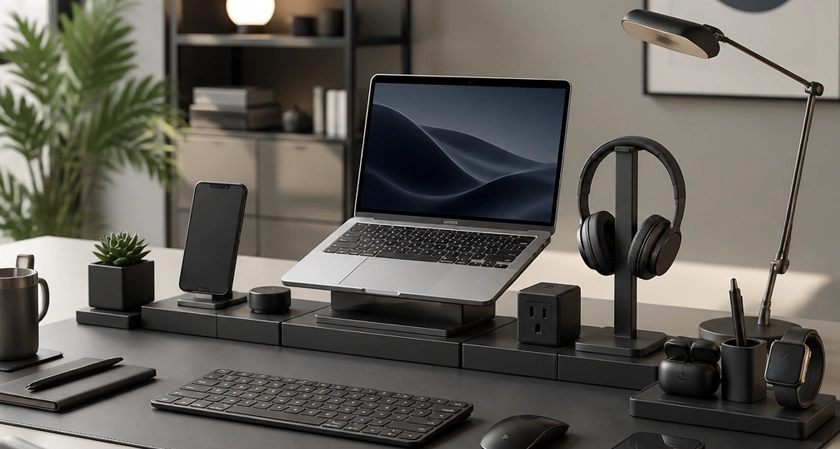
The baseline definition of a mobile setup has undergone a massive transformation. Smartphone users no longer view their handheld devices as isolated pieces of technology. Instead, a phone serves as the central brain of a vast, interconnected digital ecosystem. As our daily workflows demand higher productivity and greater physical mobility, the market for mobile gadgets has shifted from basic utility to high-end design and modular optimization. Today, selecting the right smartphone setup is just as important as configuring a desk setup; it requires a thoughtful balance between drop protection, aesthetic identity, and seamless magnetic compatibility.
The Aesthetic Shift in Protective Smart Gear
For years, the protective gear market was split into two boring extremes. On one side stood ultra-thick, bulky cases that turned sleek flagship phones into bricks. On the other side were paper-thin plastic shells that scratched easily and offered zero impact resistance. The modern consumer quickly grew tired of this compromise. People now actively seek out protective gear that preserves the phone's profile while projecting a unique visual identity.
This consumer demand has given birth to a brand new design movement: the cyberpunk, industrial-sleek aesthetic. Leading brands like aulumu have successfully pioneered this space, turning basic phone cases into intricate pieces of urban gear. By moving away from plain black plastic and embracing semi-translucent backplates, laser-etched geometric grid lines, and matte anti-fingerprint coatings, they have captured the imagination of modern tech enthusiasts. Their product line treats every single phone shell, wallet, and portable power bank as part of a unified visual ecosystem, transforming everyday carry items into functional art.
Mastering the Efficiency of Magnetic Ecosystems
Beyond visual appeal, the real magic of contemporary mobile setups lies in mechanical modularity. The widespread adoption of internal magnetic rings in modern smartphones has changed the way we interact with our gear. Rather than relying on sticky adhesive patches or mechanical clamps that can scratch the sides of a phone, users can now swap utilities instantly.
A single magnetic case allows a user to mount their phone on a magnetic car mount during a morning commute, snap on a sleek minimalist card wallet for an afternoon meeting, and click on an adjustable rotating ring stand for watching videos during a lunch break. This flexible ecosystem removes unnecessary bulk from your pockets, giving you the exact tool you need only when you actually need it.
Practical Wearable Care and Power Strategies
As users expand their personal setups with smartwatches and wireless audio gear, maintaining these secondary gadgets requires a good understanding of device hardware.
For instance, structural customization is a huge part of the smartwatch experience. Users frequently change their wristbands to match their environment, switching from a breathable silicone loop at the gym to a premium leather or metal band for an evening business dinner. To keep the delicate locking slots from wearing down over time, knowing how to remove apple watch band correctly is essential. Handling the physical release buttons with care protects the internal alignment slots and ensures a secure fit for years to come.
Similarly, keeping multiple mobile gadgets charged throughout a heavy workday requires smart planning. Moving between coffee shops, offices, and airports means you need to know exactly how your devices handle power. Wireless earbuds are an absolute lifesaver for taking private business calls on the move, which makes their charging times highly relevant. To plan their daily schedule without running out of battery, users need a clear answer to how long does it take for airpods to charge using portable magnetic docks compared to standard desktop charging bricks.
Preparing Form Factors for Next-Generation Hardware
The tech accessory market is intensely forward-looking. Because third-party manufacturers must match the exact millimeter specifications of upcoming devices, accessory design is completely tied to the development cycles of major tech companies. Any change to a device's physical chassis completely alters how case manufacturers shape their products.
Right now, tech enthusiasts and accessory designers are already looking down the road at future flagship releases. Subtle rumors about screen sizes, camera setups, and frame adjustments keep the community talking. Forward-thinking buyers keep a close eye on updates surrounding the iphone 18 release date to figure out exactly when their current magnetic ecosystem items, customized mounts, and premium wallets will need a hardware upgrade to fit the next generation of mobile design.
Summary: A Seamless Daily Flow
In the end, optimizing your tech setup is all about removing daily friction. By choosing accessories that offer strong modular compatibility, a futuristic design language, and an organized approach to device power management, you create a seamless workflow. Your everyday carry tools should always work together smoothly, helping you stay productive while keeping your devices safe and looking sharp.












Comments