>>
Industry>>
Industrial Automation>>
7 Essential Roles ...7 Essential Roles Of Simulation Technology In Modern Industries
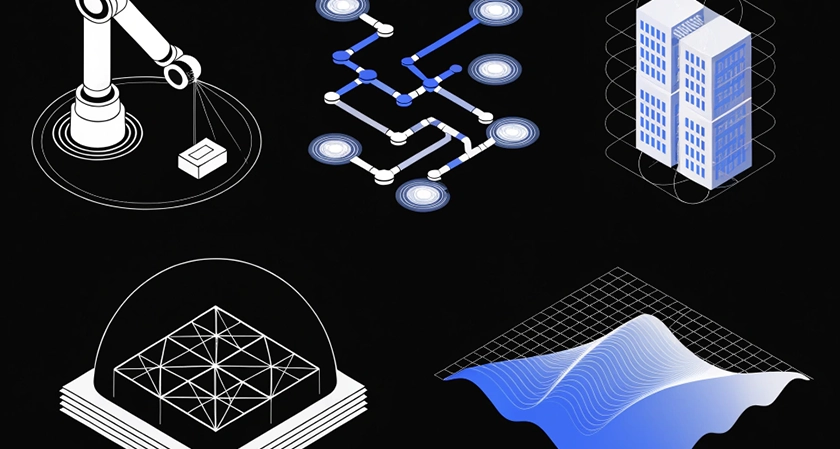
Simulation technology is rapidly becoming a cornerstone of modern industrial operations by allowing companies to test and refine ideas in a safe, virtual space. By creating detailed digital models, businesses can see how systems will behave under various conditions without the need for expensive experiments. This article outlines seven essential roles this technology plays in today’s most competitive industries.
1. Optimising Complex Supply Chain Operations
Using simulation technology allows you to run what-if scenarios, such as doubling your product demand, to see the outcome before making any physical moves. This proactive approach helps you identify bottlenecks and test strategies that increase performance while keeping costs low. Instead of guessing how a new supply chain strategy might work, you can see the results in a digital environment.
2. Improving Product Design and Engineering
Before a physical prototype is ever built, simulation software helps you catch errors early in the design cycle. You can simulate everything from thermal management to structural stress, ensuring that your products are reliable and meet all safety standards from the start. Reducing the need for multiple physical prototypes lowers development costs and speeds up the time it takes to get to market.
3. Enhancing Operational Safety and Risk Management
Virtualising these scenarios can identify potential safety risks to your workers and equipment without actually exposing anyone to harm. It allows you to develop precautionary measures and refine safety protocols based on real data gathered from virtual stress tests. Protecting human lives while simultaneously identifying flaws in machinery creates a more secure and stable working environment.
4. Facilitating Better Strategic Decision-Making
Leaders have to make high-stakes decisions based on limited data, but simulation tools provide the data-driven insights needed to choose the right path. By running forecast data through your digital models, you can make decisions about worker allocation and planned equipment downtime. This eliminates the guesswork from your planning and allows you to react to changing market conditions.
5. Driving Innovation Through Rapid Prototyping
Because you can perform hundreds of virtual tests in a day, you can iterate on designs much faster than if you had to build a new physical model for every change. This ability to experiment freely encourages your team to think bigger and explore creative solutions that might have been too risky or slow to test in the past. Faster development cycles mean your business can adapt to new challenges as they appear.
6. Increasing Overall System Efficiency
Every industrial system has small inefficiencies that can build up to cause wasted energy and resources over time. Simulation tools allow you to zoom in on these minute aspects of your production processes and design solutions to smooth out the workflow. By tuning every component of your system to work perfectly with the others, you avoid overdesign and keep your energy consumption as low as possible.
7. Streamlining Automation and Robotic Integration
As industries turn more towards robotics and high-tech automation, simulation becomes the safest way to programme and validate these complex movements. Instead of wasting time manually teaching robots on the factory floor, you can programme them offline in a virtual environment. This way, it eliminates robot downtime and allows you to test new product lines without stopping your production.
Unlock Your Potential With Simulation
Adopting simulation technology is one of the most effective ways to gain a competitive edge in any modern industry. By moving your testing and optimisation into a digital space, you reduce risk and open up new possibilities for growth and innovation. If you want your business to be more resilient and efficient, it is time to explore how simulation can fit into your design and management processes.













Comments