>>
Industry>>
Industrial Automation>>
7 Important Practices For Mana...7 Important Practices For Managing Your Plant Machinery Daily
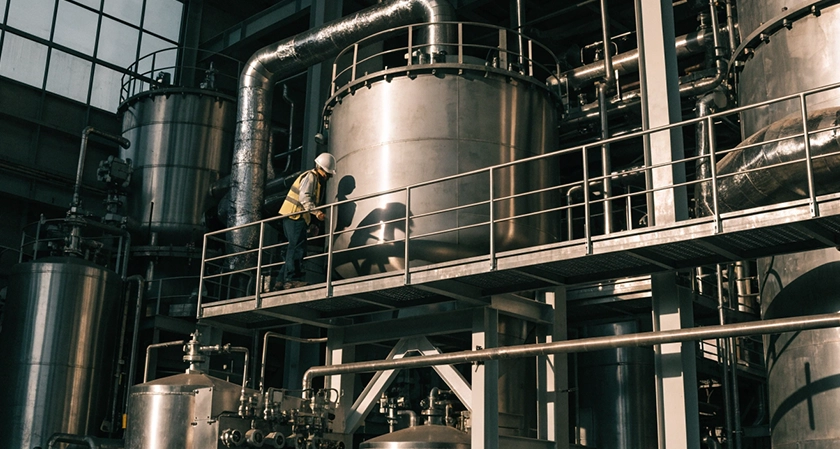
Managing a fleet of plant machinery is a complex task that directly impacts the profitability and safety of your construction projects. If equipment is left unmaintained or operated without a clear plan, you face the double threat of unexpected breakdowns and dangerous safety hazards. This article outlines seven simple yet essential practices for managing your plant machinery on a daily basis.
1. Conducting Rigorous Pre-Start Inspections
The most critical habit in any machinery management plan is the daily pre-start inspection. Every operator must check for leaks, fluid levels, tyre or track condition, and the functionality of lights and safety alarms before the engine is even started. These quick checks allow you to catch minor issues, like a significantly loose bolt or a low fluid level, before they cause a major failure during the shift.
2. Maintaining Accurate Operational Logs
Managing machinery requires data, and the most reliable data comes from keeping accurate logs for every piece of equipment. Every operator should record total engine hours, fuel consumption, and a brief description of the machine's performance. This helps you track when equipment is approaching its scheduled maintenance intervals and allows you to spot patterns in fuel efficiency or power loss.
3. Implementing Strict Cleaning Routines
Dirt, mud, and debris are the enemies of heavy plant machinery, as they can hide cracks, accelerate rust, and clog vital cooling systems. A daily cleaning routine, especially after working in challenging terrain, is essential to keep your equipment in top condition. Cleaning allows your team to see the true state of the chassis, pins, and hydraulic lines, making it much easier to detect small leaks or structural damage.
4. Monitoring Fluid Levels and Lubrication
Your daily management routine must include a check of all critical fluid levels, including engine oil, hydraulic fluid, and coolant. If a machine requires daily greasing of pivot points or linkages, make it a non-negotiable part of the operator's morning checklist. Keeping lubrication levels topped up prevents the kind of internal metal-on-metal friction that destroys expensive components over time.
5. Ensuring Compliance with Safety Protocols
Managing plant machinery is as much about people as it is about metal, which means your daily management must include a commitment to safety standards. Every operator must be briefed on the day’s specific risks, such as overhead power lines, uneven ground, or heavy pedestrian traffic in the work zone. Ensure that all safety guards, reverse alarms, and cameras are operational every single day.
6. Managing Operator Fatigue and Performance
The human factor is often the most overlooked part of machinery management, yet it is a primary driver of accidents and operational errors. Keep an eye on your operators to ensure they are taking their designated breaks and that their performance levels remain steady throughout the day. A fatigued operator is more likely to ignore warning signs, take unnecessary risks, or damage the equipment.
7. Planning for Scheduled Downtime
Daily management is not just about the current shift; it is about looking forward to the next one and the weeks ahead. If your daily logs or inspections indicate that a part is wearing out, act immediately to schedule the repair before it breaks in the middle of a project. By integrating planned maintenance into your daily workflow, you avoid the much higher costs and project delays associated with repairs.
Elevate Your Fleet Management
Managing plant machinery daily is a demanding job, but it is also the key to running a successful, high-performance construction business. By staying consistent with these seven practices, you ensure that your equipment remains a reliable asset rather than a constant source of stress. Evaluate your current routines and identify where you can tighten your procedures to better protect your team.













Comments