>>
Industry>>
Architecture and interior design>>
AI in Architecture: Generative...ARCHITECTURE AND INTERIOR DESIGN
AI in Architecture: Generative Design Gives Architects 'Superpowers' 30% Efficiency Gains and 40% Carbon Cuts
The Silicon Review
21 July, 2026
Author:
Vinay Kumar
AI-driven generative design is revolutionizing architecture, with the technology producing thousands of design options in seconds, optimizing for sustainability and structural integrity, and freeing architects to focus on creativity.
Artificial intelligence is reshaping the architectural landscape. AI-driven generative design is moving beyond simple drafting tools to become an active partner in the creative process, generating thousands of design options in seconds while optimizing for daylight, energy efficiency, and structural integrity.
"We are not replacing architects, we are giving them superpowers," said an industry expert. "With generative design, architects can explore vastly more possibilities, test ideas more quickly, and make better, more informed decisions."
The technology works by defining design goals and constraints, such as site conditions, budget, materials, and environmental performance. The AI then generates a range of design solutions, each optimised for the specified criteria. Architects can then refine, combine, and iterate on these options, using the AI as a creative partner.
"Generative design is changing the way we think about architecture," said a leading architect. "It allows us to solve complex problems in ways that were previously unimaginable."
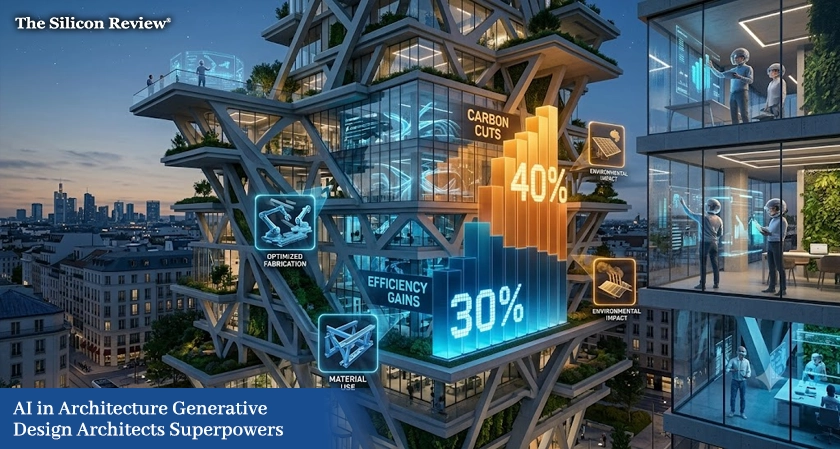
The impact is already being felt across the industry. Major architecture firms are integrating generative design into their workflows, using it to design everything from high-rise towers to cultural centres. A recent study found that firms using generative design reported a 30 per cent increase in design efficiency and a 25 per cent reduction in material waste.
"Generative design is not just about efficiency; it's about pushing the boundaries of what is possible," said a technology analyst. "It allows architects to create buildings that are more sustainable, more resilient, and more beautiful."
Sustainability is a key driver of adoption. Generative design can optimize for energy performance, reducing a building's carbon footprint by up to 40 per cent. It can also incorporate circular design principles, optimizing for material reuse and disassembly.
Here is the question this trend raises. AI in architecture is revolutionizing the profession, with generative design producing thousands of options in seconds. When architects collaborate with AI, does it elevate the profession or risk diluting the human touch that defines great design?
As AI-driven generative design reshapes architecture, The Silicon Review asks a final question. When the tools of creation become more intelligent and collaborative, what does it mean for the future of the profession?
FAQ:
Q: What is AI-driven generative design in architecture?
A: Generative design is an AI-powered process where algorithms generate thousands of design options based on defined goals and constraints, such as site conditions, energy performance, and structural integrity.
Q: How is AI changing architecture?
A: AI in architecture allows architects to explore vastly more possibilities, test ideas more quickly, and make better-informed decisions, freeing them to focus on creativity and human-centred design.
Q: What are the benefits of AI-driven generative design?
A: Benefits include a 30 per cent increase in design efficiency, a 25 per cent reduction in material waste, and up to 40 per cent reduction in carbon footprint through energy optimisation.
Q: Will AI replace architects?
A: No. AI-driven generative design is a tool that augments architects' capabilities, giving them "superpowers" to solve complex problems and explore more creative solutions.
Q: Is generative design being used by major architecture firms?
A: Yes, major architecture firms are integrating generative design into their workflows, using it to design high-rise towers, cultural centres, and sustainable buildings.



















Comments