>>
Industry>>
Management consulting>>
China AI Export Controls: Is B...China AI Export Controls: Is Beijing Securing AI Leadership or Creating Strategic Risk?
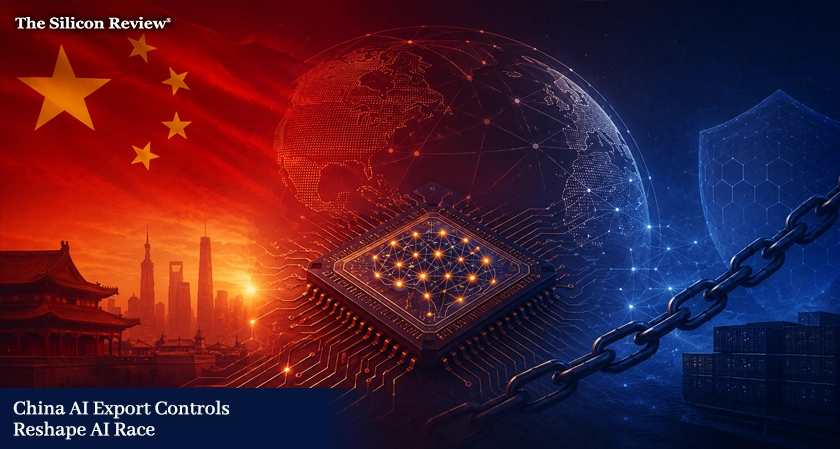
China AI export controls signal a strategic shift to protect advanced AI assets and China AI chips. Can this move reshape global technology partnerships and competition?
China AI export controls have become a defining moment in the global AI race as Beijing moves to protect advanced models, critical data, and semiconductor capabilities. The decision could reshape technology power worldwide. Is China building an AI fortress or risking its future?
China’s Ministry of Commerce is reportedly consulting leading technology companies on possible restrictions that could limit overseas access to advanced AI models and prevent strategic technologies from leaving the country. The discussions involve major players including Alibaba, ByteDance, Zhipu, and Huawei.
The proposed rules could impact AI model weights, training data, and advanced algorithms developed in China. For global businesses, this raises critical questions around compliance, intellectual property protection, and future technology partnerships.
But is China protecting its AI advantage or making global collaboration more difficult?
The focus on China AI chips adds another layer to the strategy. Beijing is reportedly reviewing restrictions that could affect overseas manufacturing partnerships involving advanced semiconductor designs created by Chinese companies. Such moves could reshape chip supply chains and global technology alliances.
“China firmly opposes the misuse of export controls to suppress technological development and will take necessary measures to safeguard the legitimate rights and interests of Chinese enterprises.” said China Ministry of Commerce spokesperson
Advanced semiconductors remain the backbone of AI leadership. While China has built a powerful AI ecosystem, access to cutting-edge chip manufacturing remains a major factor in determining future competitiveness.
Could tighter controls strengthen China’s domestic AI industry or accelerate global technology separation?
From a business perspective, the strategy highlights a growing conflict between security and innovation. Protecting critical technologies can strengthen national capabilities, but excessive restrictions may limit investment, partnerships, and the global exchange of ideas that drive progress.
The proposed measures are still under review, with regulators collecting industry feedback before final decisions. If implemented, the controls could significantly affect multinational companies.
China AI export controls represent more than a policy shift. They signal a new phase in the global AI race where governments must balance technological independence with global cooperation.
The outcome could determine whether Beijing’s strategy becomes a powerful advantage or a barrier to innovation. China AI export controls may shape the future of technology leadership, The Silicon Review asks can control create lasting dominance in an industry built on collaboration?
FAQ:
Q: What are China AI export controls?
A: China AI export controls are proposed regulations to restrict the overseas transfer of advanced AI models, data, algorithms, and semiconductor technologies.
Q: Why is China considering AI export controls?
A: China is considering AI export controls to protect strategic AI assets, strengthen technology security, and maintain its competitive position in the global AI race.
Q: How are China AI chips connected to export controls?
A: China AI chips are central to the policy because advanced semiconductors power AI systems and influence global technology leadership.
Q: Which companies could be affected by China AI export controls?
A: Companies involved in AI development, chip manufacturing, and global technology partnerships could face new compliance and supply chain challenges.
Q: Will China AI export controls impact global technology competition?
A: Yes, China AI export controls could reshape AI innovation, semiconductor supply chains, and international technology partnerships worldwide.













Comments