>>
Technology>>
Software>>
Eduardo Padron Prado: The Engi...Eduardo Padron Prado: The Engineer Who Sees the Whole System
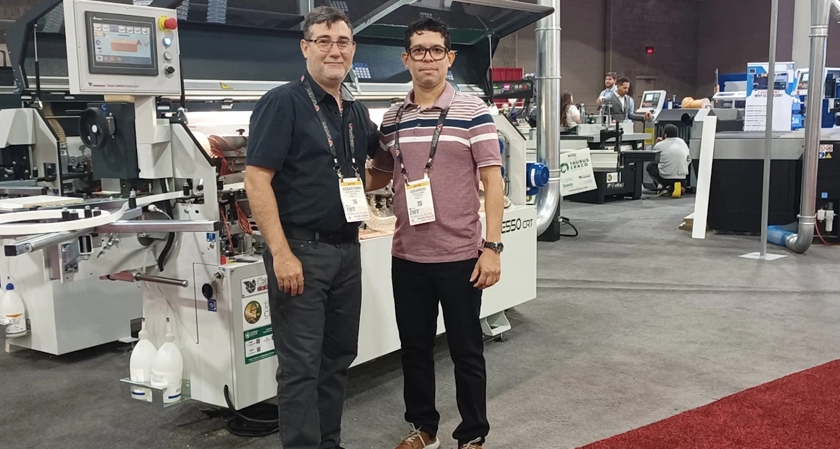
Imagine a company losing production time. A machine on the floor is running slower than it used to, and output is starting to fall behind. The obvious move might be to look for a replacement, something newer, faster, more advanced.
Eduardo Padron Prado doesn't start there.
Before he considers what machine a company might need, he wants to understand why the company needs it in the first place. Is the equipment actually the problem, or is another part of the operation contributing to the problem? Is a faster machine the real fix, or a more expensive way of avoiding a maintenance issue that was never properly addressed? For Padron Prado, that question comes first, and it has shaped more than two decades of work in engineering, maintenance, production, and industrial machinery.
The Engineer Behind the Machine
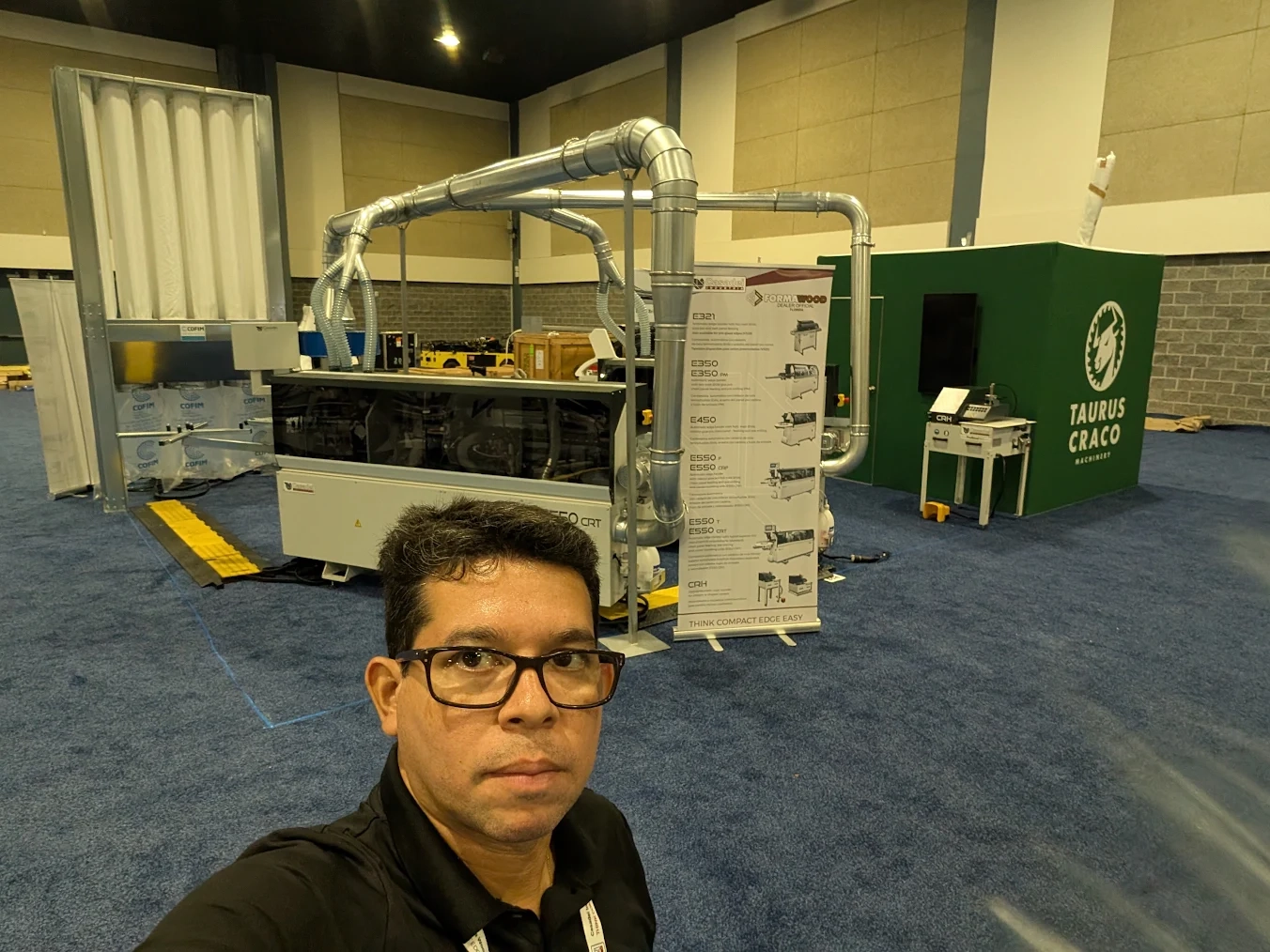
Padron Prado's career hasn't stayed inside one technical lane. Over the years he has worked across engineering, supervision, logistics, production, maintenance, project management, computer-aided design, continuous improvement, leadership, sales, and customer service.
That range isn't just a long list on a resume. It helps explain why he approaches problems from multiple angles at once. His experience across technical, operational, commercial, and customer-facing roles has given him a broader view of how the different parts of an industrial decision connect to each other.
He describes his own strength simply: the ability to observe a need, look at it from more than one angle, and turn it into an opportunity for improvement. That habit has become an important part of how he approaches engineering and industrial problem-solving.
When the Best Machine Is the Wrong Solution
Walk into most industrial trade shows and you'll find no shortage of equipment options, different brands, different technologies, different price points, all promising better performance. Padron Prado's position on this is direct. The most advanced or expensive machine on the floor isn't automatically the right one for a given company. The right choice depends on what that specific business actually produces, what resources it has, and where it's trying to go.
That distinction matters more than it sounds like it should. A company can invest heavily in equipment that looks impressive on paper and still fail to achieve the expected operational value, if that equipment doesn't match its actual production needs. His approach goes beyond understanding machinery. It focuses on understanding why a machinery decision matters to the business in the first place.
Where Engineering Meets Business
What sets Padron Prado apart isn't just technical knowledge or business sense on their own. It's his ability to move between the two. He can look at a piece of equipment and understand what it's technically capable of. He can also assess what a business actually needs that equipment to accomplish, taking into account its operations, available resources, and growth plans.
That combination, technical understanding paired with commercial judgment, is the core of how he positions himself. He isn't only a technician who happens to understand business. He sees the two as closely connected, because technical decisions ultimately have operational and commercial consequences.
The Cost of Looking at Problems in Isolation
This way of thinking becomes clearest when you look at how differently a problem can appear depending on who's diagnosing it.
A business owner may see equipment failure. Padron Prado looks at the maintenance practices, operational conditions, resource use, and other factors that may be contributing to the problem. A business owner may see a need for new machinery. He sees a production requirement that has to be weighed against available resources, future growth, and whether the equipment being considered is actually suited to any of it.
This is where his background becomes practical rather than theoretical. The problems he names most often, low productivity, poor equipment fit, recurring failures, maintenance gaps, cost overruns, inefficient use of resources, rarely show up as a single issue. Because these issues can be connected, treating them in isolation can lead businesses to address the visible symptom without addressing the underlying operational need.
Beyond the Machine
Padron Prado is now working toward building an industrial and commercial consulting practice based in Florida, with plans to expand progressively into other markets over time. The practice he envisions would bring that systems-oriented approach into a broader consulting role, helping companies evaluate equipment decisions and support those investments throughout their lifecycle.
His goal is to support companies through the full lifecycle of their equipment, from selection and installation through maintenance and after-sales support, with the aim of reducing downtime, using resources more efficiently, and protecting the investment a company has already made.
A Different Kind of Expertise
The most valuable kind of expertise isn't always knowing the most about one part of a system. Sometimes it's understanding how all the parts connect, and knowing which one to look at first when something goes wrong.
That idea applies well beyond machinery. It applies to anyone trying to solve a problem without getting stuck on the first obvious answer, engineers, managers, business owners, or anyone else responsible for making a costly decision look simple in hindsight. His career, across two countries and several industries, has quietly built toward that same conclusion. He isn't just an engineer who understands machines. He's one who has learned to see the whole system around them.
About the Author
Sashindra Suresh is an experienced writer specializing in artificial intelligence, software development, and emerging technologies. With a strong ability to translate complex technical concepts into clear, engaging insights, she has contributed to a wide range of publications and platforms. Her work focuses on making cutting-edge innovations accessible to both industry professionals and curious readers alike.











Comments