>>
Industry>>
Healthcare>>
Five Techniques To Cope With S...Five Techniques To Cope With Stress That Don’t Include Drinking
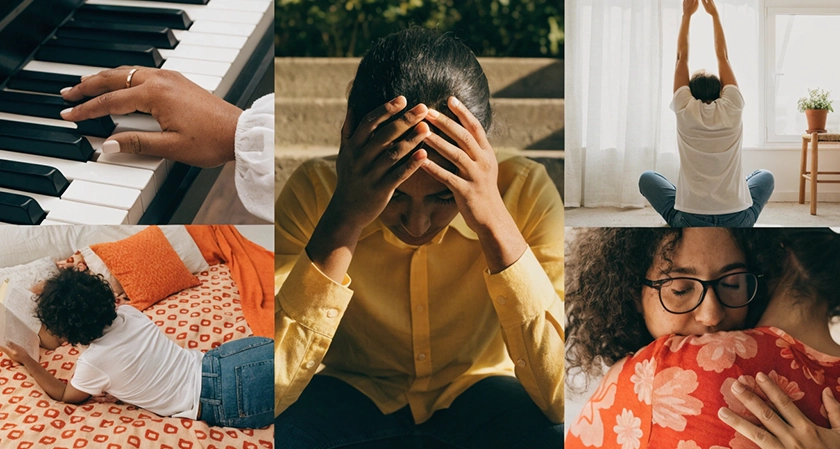
Stress has become a common part of modern life. Whether it is pressure at work, financial worries, relationship difficulties or simply the demands of daily responsibilities, many people search for quick ways to unwind. For some, alcohol becomes an easy coping mechanism. A drink after a difficult day can feel relaxing in the moment, but relying on alcohol to manage stress can quickly become dangerous.
Over time, it may lead to dependency, worsen anxiety and negatively affect both physical and mental health, with many people needing to seek out alcohol advice from professionals at an alcohol treatment centre to get their lives back on the right path. Fortunately, there are healthier and far more effective ways to deal with stress that do not involve drinking. Here are five techniques that can help.
Exercise and Physical Activity
One of the most effective ways to reduce stress is through regular physical activity. Exercise releases endorphins, often referred to as the body’s “feel-good” chemicals, which naturally improve mood and help relieve tension.
Physical activity does not have to mean intense gym workouts or marathon training. Even simple activities such as walking, cycling, swimming or yoga can make a noticeable difference. A brisk walk outdoors can help clear the mind and provide a healthy distraction from stressful thoughts.
Exercise also improves sleep quality and boosts energy levels, both of which are often negatively affected by stress. Establishing a regular fitness routine can therefore provide long-term benefits for both mental and physical wellbeing.
Practising Mindfulness and Meditation
Mindfulness has become increasingly popular in recent years, and for good reason. The practice involves focusing on the present moment rather than worrying about the future or dwelling on the past.
Meditation, breathing exercises and mindfulness techniques can help calm racing thoughts and reduce feelings of anxiety. Even spending just ten minutes a day focusing on controlled breathing can lower stress levels and improve emotional balance.
Many people turn to alcohol because they want to “switch off” mentally. Mindfulness offers a healthier alternative by teaching individuals how to manage difficult thoughts without escaping from them. Over time, these techniques can improve resilience and help people respond to stress more calmly.
Talking to Someone You Trust
Stress can often feel far more overwhelming when dealt with alone. Speaking openly with a trusted friend, family member or professional can provide emotional relief and valuable perspective.
Many people bottle up their worries until they become difficult to manage, which can increase the temptation to self-medicate with alcohol. Simply talking through problems can reduce emotional pressure and help people feel supported.
Professional counselling or therapy may also be beneficial for those experiencing ongoing stress or anxiety. Mental health support is not only for moments of crisis; it can also help people develop healthier coping strategies before problems escalate.
Many people are encouraged to browse residential psychosis treatment options that provide round-the-clock clinical supervision and tailored therapeutic support. Accessing continuous professional care helps individuals establish structured routines that foster long-term mental stability.
Human connection plays a vital role in emotional wellbeing, and honest conversations can often ease stress more effectively than temporary distractions.
Taking Time Away from Screens
Modern technology keeps many people constantly connected to work, news and social media. While digital devices can be useful, they can also contribute significantly to stress levels.
Constant notifications, negative headlines and endless scrolling can leave people feeling mentally exhausted and overstimulated. Taking regular breaks from screens can therefore have a surprisingly calming effect.
Spending time offline allows the mind to rest and refocus. Reading a book, going outdoors, cooking or pursuing a hobby can provide a sense of calm that excessive screen time often disrupts.
Creating boundaries around technology use, particularly in the evenings, may also improve sleep and reduce feelings of anxiety.
Developing Creative Outlets
Creative activities can provide a healthy and rewarding way to manage stress. Writing, painting, playing music, gardening or even baking can help shift focus away from worries and towards something enjoyable and productive.
Creativity encourages mindfulness because it requires concentration and engagement in the present moment. It can also provide a sense of achievement, which may boost confidence and emotional wellbeing.
Importantly, creative hobbies offer an emotional outlet without the harmful side effects associated with alcohol. Many people discover that regular creative expression helps them process emotions in a healthier and more sustainable way.
Healthier Ways to Manage Stress
Although alcohol may appear to offer short-term relief from stress, it often creates additional problems in the long run. Dependency, poor sleep, anxiety and declining physical health are just some of the risks associated with using drink as a coping mechanism.
Developing healthier habits takes time, but techniques such as exercise, mindfulness, social support, limiting screen time and creative activities can all provide lasting benefits. By finding positive ways to manage stress, people can improve both their emotional wellbeing and overall quality of life without relying on alcohol.



















Comments