>>
Industry>>
Pharmaceutics and Life science>>
Novo Nordisk Sues Lilly Over M...PHARMACEUTICS AND LIFE SCIENCE
Novo Nordisk Sues Lilly Over Misleading Weight-Loss Drug Ads in $150 Billion Market Battle
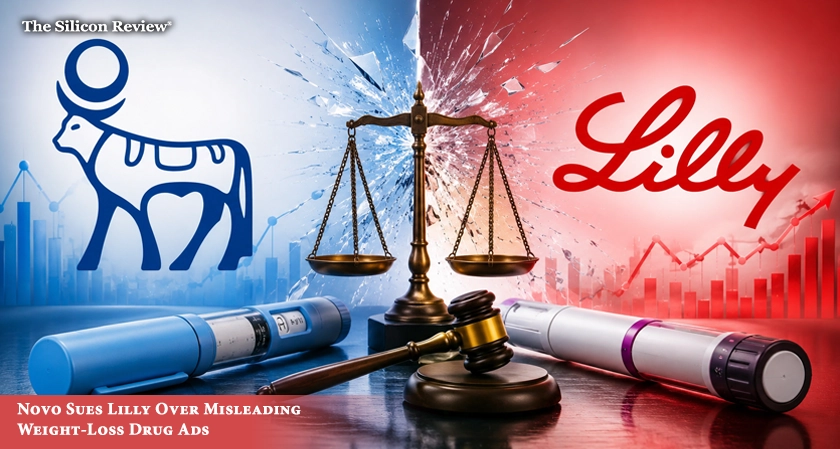
Novo Nordisk has filed a lawsuit against Eli Lilly, alleging misleading advertising claims in the weight-loss drug market, escalating a legal battle in a rapidly growing sector.
Novo Nordisk has filed a lawsuit against Eli Lilly, accusing its rival of running misleading advertisements for its blockbuster weight-loss drug. The lawsuit, filed in federal court, escalates the legal battle between the two pharmaceutical giants as they compete for dominance in the rapidly growing weight-loss drug market.
"Lilly's advertising campaign misrepresents the efficacy and safety of its product," a Novo spokesperson said. "We are taking legal action to protect patients and ensure that healthcare providers have accurate information."
The lawsuit targets Lilly's promotional materials for its GLP-1 receptor agonist, a class of drugs that has surged in popularity for both diabetes and weight-loss treatment. Novo's own GLP-1 drug, Wegovy, is a market leader, but Lilly's competing drug, Zepbound, has gained significant traction since its launch.
"This is a high-stakes battle over truth in advertising," said a pharmaceutical industry analyst. "The weight-loss drug market is worth tens of billions, and both companies are fighting for market share."
The complaint alleges that Lilly's ads mislead consumers and physicians about the drug's effectiveness while downplaying potential side effects. Novo is seeking a court order to halt the advertising campaign and is also pursuing damages for what it claims are unfair business practices.
"We stand by our advertising," a Lilly spokesperson responded. "Our claims are accurate, scientifically supported, and regulatory compliant."
The legal clash comes as the weight-loss drug market continues to expand rapidly. Analyst projections estimate the market could exceed $150 billion annually within the next five years, fuelled by strong demand and new approvals. The battle between Novo Nordisk and Lilly is expected to intensify as both companies invest heavily in manufacturing capacity and clinical trials for new indications.
"This is not just a legal dispute; it is a commercial war," the analyst added. "Whoever wins the advertising battle could win the market."
The outcome of the lawsuit could have broader implications for pharmaceutical advertising, potentially setting precedents for how drugmakers can market GLP-1 products. Regulators have already been scrutinizing the advertising practices of pharmaceutical companies, particularly in the weight-loss sector, where demand has skyrocketed.
Here is the question this lawsuit raises. Novo Nordisk has sued Lilly over misleading weight-loss drug ads, escalating a battle in a $150 billion market. When pharmaceutical companies fight over advertising claims, who ultimately bears the risk?
As the Novo-Lilly legal battle unfolds, The Silicon Review asks a final question. When the stakes are this high and the market this large, can the truth survive the competition?
FAQ:
Q: What is the basis of Novo Nordisk's lawsuit against Lilly?
A: Novo Nordisk has sued Eli Lilly, alleging misleading advertising claims for its weight-loss drug, accusing Lilly of misrepresenting efficacy and safety data.
Q: What are the drugs involved in the Novo-Lilly weight-loss lawsuit?
A: The lawsuit involves Novo's Wegovy and Lilly's competing weight-loss drug Zepbound, which has gained significant market share.
Q: Why is the Novo-Lilly lawsuit important?
A: The case could set precedents for how pharmaceutical companies market GLP-1 drugs and may influence the competitive dynamics of a $150 billion market.
Q: How has Lilly responded to the lawsuit?
A: Lilly has defended its advertising, stating its marketing claims are accurate, scientifically supported, and compliant with all regulations.
Q: What is the broader context of the Novo-Lilly lawsuit?
A: The lawsuit is part of an escalating commercial battle between Novo and Lilly as both companies invest heavily in manufacturing and clinical trials for weight-loss drugs.




















Comments