>>
Industry>>
Automobile>>
A Practical Cover Check for Ca...A Practical Cover Check for Cars Parked in Open Spaces
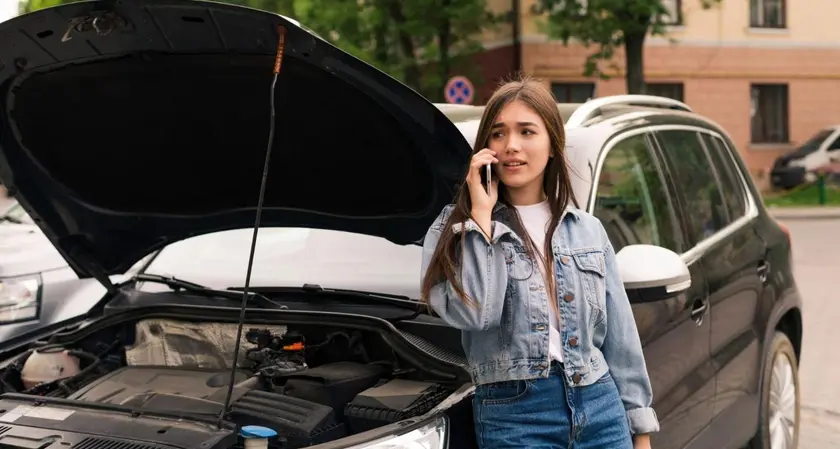
A car parked in an open space remains exposed to rain, falling branches, theft attempts, minor impacts, and other outdoor risks even when it is not being driven. This makes it important to check whether the insurance policy offers suitable own damage protection and relevant add-ons.
A careful review of the parking location, vehicle condition, policy terms, and claim process helps owners choose cover that matches their practical needs.
Start with the Parking Location
Open parking may mean a roadside space, an uncovered residential area, an office ground or a public car park. Each location creates a different exposure. A car under a tree may face falling branches, while a low-lying space may collect rainwater.
Check the area for:
- Water accumulation after heavy rain
- Trees, poles or loose structures nearby
- Movement of other vehicles
- Street lighting and security arrangements
- Theft or vandalism concerns
This helps identify the protection that deserves attention.
Confirm Own Damage Protection
Third-party insurance addresses legal liability towards other people and their property. It does not provide its own damage protection for the insured car. A comprehensive policy or standalone own damage policy may cover eligible loss caused by accidents, theft, fire, natural calamities and malicious acts, subject to policy terms.
For a car kept in the open, this matters. The vehicle can suffer damage while stationary. The policy should match that possibility.
Check Weather-Related Cover
Outdoor cars remain exposed to storms and heavy rain. Water may enter the cabin, affect electrical parts or reach the engine when the parking area floods. Strong winds may bring down branches or objects.
The policy check should cover:
- Flood and storm-related vehicle damage
- External impact from falling objects
- Towing after severe damage
- Claim steps when the car cannot be moved
Engine protection may deserve attention in flood-prone locations because standard cover may not address every form of internal engine damage caused by water ingress.
Consider Theft and Vandalism Risk
A car parked outside may be more accessible than one kept inside a secured garage. Theft, attempted theft, and deliberate damage can affect locks, windows, mirrors, body panels, or the entire vehicle.
The policy should include theft and malicious damage under its own damage section. Claims usually need prompt insurer intimation and police documents. Security measures may also discourage interference with the parked car.
Choose Add-Ons with a Clear Purpose
Add-ons should solve a likely problem rather than simply increase benefits. Zero depreciation cover may reduce depreciation deductions on eligible replaced parts after an admissible claim. Consumables cover may help with specified repair items used during approved work.
People who buy car insurance online can see these options before payment. For an outdoor parked car, the useful choice is one connected to its location, age, model and repair needs.
Do Not Depend on Insurance Alone
Insurance provides financial support for eligible losses, but simple parking habits can reduce avoidable exposure. Choose a visible, permitted space and avoid parking under weak branches, damaged walls or loose hoardings.
It also helps to:
- Lock all doors and close every window
- Remove valuables and visible bags
- Use available security devices
- Avoid low areas during heavy rain
- Check the car after severe weather
These steps support protection without replacing the policy.
Keep Details and Evidence Ready
The registration number, insured address, vehicle details and selected covers should appear correctly in the policy schedule. If the usual parking location changes in a way that may affect risk, inform the insurer. After damage, take clear photographs before moving the car to a safe location.
Report the incident promptly, follow inspection instructions and keep towing records, estimates and invoices. Claim approval and the final amount remain subject to policy wording, deductibles, documents and insurer assessment.
Final Thoughts
Cars parked in open spaces need cover that reflects risks present even when the vehicle is stationary. Own damage protection, weather cover, theft protection and suitable add-ons can provide support after an eligible incident.
The right combination depends on the parking location, local conditions and vehicle needs. A practical check of the policy schedule, claim process and selected benefits helps owners avoid assuming that every outdoor parking risk is handled in the same way.