>>
Platform>>
Juniper>>
Sodium Ion Batteries Rise: Ca...Sodium Ion Batteries Rise: Can Juniper Energy’s $500M Storage Bet Break Lithium’s Grip?
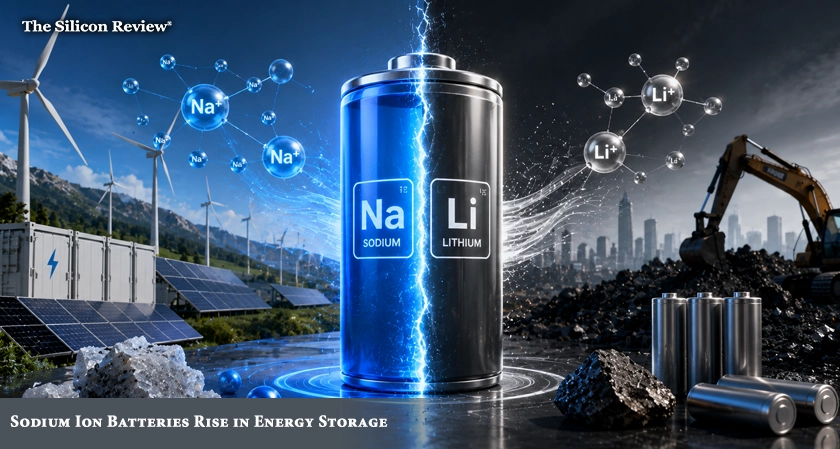
Juniper Energy’s sodium ion batteries deal with ESS could reshape Energy Storage as companies seek safer, cheaper alternatives to lithium. But can sodium finally challenge lithium’s dominance?
Sodium ion batteries are entering a new energy battle as Juniper Energy and ESS announce a major Energy Storage partnership targeting more than 500 MWh of deployments. Can sodium technology rewrite the future of global energy?
ESS Tech announced a Letter of Intent with Juniper Energy LLC to deploy sodium-ion battery energy storage systems across multiple projects. The partnership will begin with a planned 10 MW / 80 MWh project in California, expected to use ESS’s Bridge™ modular sodium-ion solution and Energy Management System, with commercial operation targeted for 2027.
Is lithium’s long reign finally facing a serious challenger?
The agreement reflects a wider shift in the energy storage market. While lithium-ion batteries currently dominate large-scale storage, concerns around supply chains, material availability, geopolitical risks, and Foreign Entity of Concern restrictions are pushing companies to explore new technologies.
“Sodium-ion energy storage represents an important opportunity to expand our technology portfolio and bring safer, domestically sourced solutions to market,” said Drew Buckley, CEO of ESS.
Unlike lithium-based systems, sodium ion batteries rely on more abundant materials, potentially reducing dependency on limited resources. ESS believes this advantage could help support growing demand from utility projects, AI data centers, commercial facilities, and critical infrastructure.
But can a cheaper battery technology actually defeat an established giant?
Juniper Energy Managing Partner Keith McDaniels said the company selected ESS because of its ability to move advanced energy technologies from development into commercial deployment. Juniper has expressed an intention to procure 500 MWh or more of ESS battery systems by 2032, depending on successful project execution.
The deal strengthens the case for sodium-ion technology, but challenges remain. The market is already built around lithium supply chains, manufacturing capacity, and proven deployment experience.
Is the energy industry preparing for a major transition, or just searching for a backup plan?
The sodium ion batteries market highlights a major contradiction. Companies want energy independence and safer storage solutions, yet replacing lithium dominance requires overcoming years of infrastructure investment and technical development.
ESS and Juniper’s partnership could become a turning point for Energy Storage innovation. However, the real test will not be announcements but whether sodium-based systems can deliver reliability, scale, and cost advantages in real-world projects.
The ESS and Juniper Energy agreement shows that the future of Energy Storage may not depend on one battery technology alone. Sodium ion batteries are gaining attention. The Silicon Review asks if sodium technology can solve supply chain problems, why has the industry waited so long to move beyond lithium?
FAQ:
Q: What are sodium ion batteries?
A: Sodium ion batteries are energy storage systems that use sodium instead of lithium, offering a potential alternative with more abundant materials and lower supply chain risks.
Q: Why is Juniper Energy investing in sodium ion batteries?
A: Juniper Energy is partnering with ESS to explore large-scale Energy Storage solutions that could provide safer and more sustainable alternatives to traditional lithium-ion systems.
Q: Can sodium ion batteries replace lithium-ion batteries?
A: Sodium ion batteries could become a strong alternative for some applications, but lithium remains dominant due to its established infrastructure and performance advantages.
Q: What is the ESS and Juniper Energy Storage agreement?
A: The agreement focuses on deploying more than 500 MWh of sodium-ion battery systems, starting with a planned 10 MW / 80 MWh project in California.
Q: Why are sodium ion batteries gaining attention in the energy market?
A: Sodium ion batteries are gaining attention because they use widely available materials, reduce dependence on lithium supply chains, and support growing demand for large-scale Energy Storage.













Comments