>>
Other>>
Politics>>
US Iran Conflict: If U.S. Powe...US Iran Conflict: If U.S. Power Is Unmatched, Why Is the War Still Expanding?
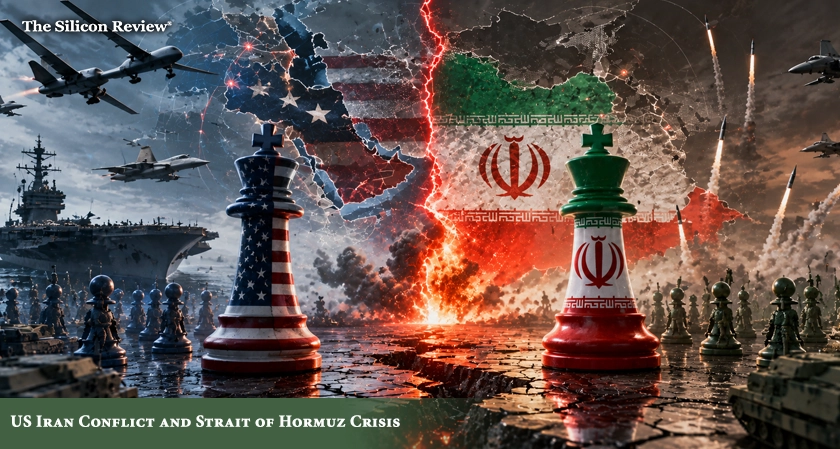
The US Iran conflict has entered a dangerous new phase as the U.S. launches a 13th straight night of strikes over the Strait of Hormuz. If Washington is gaining the upper hand, why does the conflict keep escalating?
The US Iran conflict is entering its most dangerous phase in weeks after the U.S. military confirmed a 13th consecutive night of strikes against Iran. Washington says the attacks are meant to secure the Strait of Hormuz and protect commercial shipping. Is this the beginning of the end or the start of an even bigger conflict?
If the mission is working, why does the fighting keep expanding?
According to U.S. Central Command, the latest operations are designed to cripple Iran's ability to threaten civilian ships moving through regional waters. The campaign comes after Iran's closure of the Strait of Hormuz, one of the world's most important oil routes, triggering panic across global energy markets.
The crisis widened almost immediately. Yemen's Iran-backed Houthi rebels claimed attacks on two Saudi oil tankers in the Red Sea, opening another front in an already volatile conflict. What began as a battle over one strategic waterway is now threatening multiple global trade routes.
Is this about protecting shipping or proving military dominance?
President Donald Trump warns any future Houthi attack would bring "major military punishment" not only against the Houthis but also against Iran, accusing Tehran of directing the group's actions through its regional network.
The economic impact was immediate. Brent crude climbed above $100 per barrel, the highest level in months, as investors priced in the growing risk of prolonged disruption to global energy supplies. Every new strike now carries consequences far beyond the battlefield.
Meanwhile, Iraq is attempting to cool tensions. Prime Minister Ali al-Zaidi visited Tehran to push for dialogue, while U.N. Secretary-General António Guterres warned that it is an "ever-widening circle of confrontation."
"Diplomacy is the only way forward.” said United Nations Secretary-General António Guterres.
The latest escalation exposes a difficult contradiction inside the US Iran conflict. Washington insists military pressure is necessary to secure shipping lanes. Yet after thirteen straight nights of strikes, the battlefield has expanded, oil prices have surged, and regional tensions have intensified.
For now, the US Iran conflict is no longer just a regional military crisis. It has become a test of whether military power can deliver security or whether every strike simply makes the next confrontation more likely. The Silicon Review asks If Washington truly has the upper hand, why does it need a 13th night of strikes to prove it?
FAQ:
Q: What is the US Iran conflict?
A: The US Iran conflict is an ongoing geopolitical and military confrontation involving U.S. operations against Iran and its regional allies, centered on security, maritime trade, and regional influence.
Q: Why is the Strait of Hormuz important in the US Iran conflict?
A: The Strait of Hormuz is a vital global shipping route through which nearly one-fifth of the world's oil supply passes, making any disruption a major threat to energy markets.
Q: Why is the U.S. carrying out strikes against Iran?
A: The U.S. says the strikes are aimed at reducing Iran's ability to threaten commercial shipping and restoring freedom of navigation in regional waters.
Q: Why did President Trump warn Iran?
A: President Trump warned that any future Houthi attacks on ships would trigger major military action against both the Houthis and Iran, which the U.S. considers responsible for supporting the group.
Q: How has the US Iran conflict affected global oil prices?
A: The escalating US Iran conflict pushed Brent crude above $100 per barrel as fears of supply disruptions through the Strait of Hormuz increased.
Q: What role is the United Nations playing?
A: The United Nations is urging de-escalation, with Secretary-General António Guterres calling for diplomacy and warning that the conflict risks expanding across the region.
Q: Could the US Iran conflict affect the global economy?
A: Yes. Prolonged disruptions to shipping and energy supplies could increase fuel prices, disrupt global trade, and add pressure to inflation worldwide.













Comments