>>
Industry>>
Bio tech>>
Where Laboratory Automation Ac...Where Laboratory Automation Actually Starts
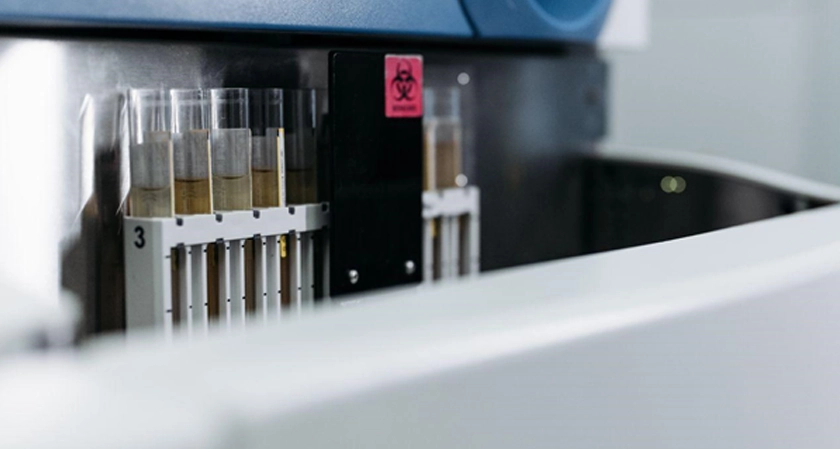
Walk through enough laboratories and a pattern emerges. In some, a large robotic platform arrived with considerable fanfare, ran a handful of protocols, and now spends most of its working life under a dust cover while staff quietly go back to pipetting by hand. In others, a lab automated one unremarkable task, measured what changed, and built outward from there. A year on, it is usually the second lab that is further ahead.
That gap has surprisingly little to do with budget or ambition. It comes down to where a lab chooses to begin. Laboratory automation tends to succeed when it starts small and specific, and it tends to stall when it is treated as a single sweeping project.
Why "Automate Everything" Quietly Fails
The instinct to automate a whole workflow at once is understandable. It promises a clean break from manual routine and a tidy return on a large purchase. In practice it rarely lands that way.
Big platforms carry a heavy integration burden. They often need dedicated space, new consumables, rewritten protocols and a stretch of training time before they process a single sample. During that changeover, throughput frequently dips before it climbs. And if the system only suits a narrow set of assays, it sits idle whenever the lab's work drifts outside that range. What was meant to add capacity ends up as expensive equipment that few people trust enough to depend on.
Automation that arrives gradually sidesteps most of this. It fits into the workflow a lab already runs, which means less disruption and a much shorter path to a result people can see.
Start With The Task You Repeat Most
The best first candidate is almost never the most complex step. It is the one the lab performs over and over, with little variation and a real cost when it goes wrong.
For most molecular and diagnostic labs, that step is sample preparation, and pipetting in particular. Manual pipetting works perfectly well at a small scale. It becomes a liability as volumes grow, because fatigue, small differences in technique and the sheer number of repetitions begin to show up in the data. This is where modern liquid handling instruments earn their place. They take a task that is both frequent and error-prone and make it consistent, without asking the lab to redesign everything around them.
Because the step is contained, so is the risk. A single instrument handling reagent dispensing or plate setup is a far easier decision to make, and to walk back, than a wholesale move to a large automation cell.
What Makes A Good First Automation Candidate
A task tends to be worth automating early when it ticks most of these boxes:
- It is repeated many times a day, across runs and across operators.
- Small inconsistencies in how it is done affect downstream results.
- It ties up skilled staff who could be doing higher-value work.
- It sets a ceiling on how many samples the lab can realistically process.
Sample preparation usually meets all four. That is what makes it a reliable entry point rather than a compromise.
Prove The Value Before You Widen The Circle
The advantage of starting small is that the result is easy to measure. Track two things before and after: the hands-on time the task used to consume, and how consistent the output is across different people on different days.
Those two numbers make the case for the next step far better than any vendor claim can. When a lab can point to hours handed back to its scientists and tighter reproducibility across a plate, the conversation about expanding automation stops being speculative. It becomes a decision grounded in the lab's own evidence, which is much firmer footing than a forecast.
From there, automation can spread outward one considered step at a time, guided by what the lab has already learnt rather than by assumptions made at the start.
The Payoff Is Bigger Than Speed
Speed is the benefit people expect, and it is real. It is also the least interesting part of the story.
The lasting gains are quieter. Consistent sample handling means results are easier to trust and easier to reproduce, which counts for a great deal in regulated and multi-site settings. Skilled staff spend less of the day on repetitive dispensing and more on analysis and method development. Turnaround times become predictable, which makes planning people and instrument time far simpler than it was.
None of this asks a lab to commit to full automation on day one. It asks for a sensible first move.
A Practical Next Step
Before comparing platforms or drawing up budgets, spend a week watching which manual task your team repeats most, and where it quietly costs you: in hours, in reruns, or in variation between people. That single task is almost always where laboratory automation should begin. Get it right, measure it, and let the rest follow.













Comments