>>
Industry>>
Bio tech>>
Why Biotech Transparency Matte...Why Biotech Transparency Matters in Peptide Research
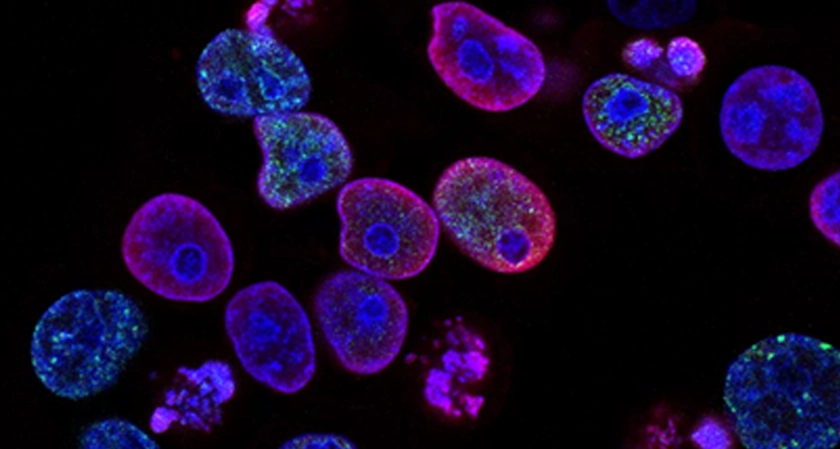
Peptides are driving major discoveries in modern laboratories. Researchers rely on these tiny chains of amino acids to study cell signaling, muscle growth, and metabolic pathways.
If the compounds lack purity, entire studies can fail. This is where transparency in biotechnology becomes a critical shield against wasted time and funding. Scientists must trust their materials to get repeatable outcomes.
The Core of Scientific Integrity
Inconsistent chemical compounds threaten the validity of laboratory trials. Researchers must check peptide batch testing results to confirm the identity and purity of their samples before starting any new experiment. Having this clear verification prevents costly errors during the research process.
The Hidden Risks of Grey Market Peptides
Unregulated markets present serious hazards for researchers seeking reliable compounds. Many online vendors sell research chemicals without proper quality control. A report by an independent safety organization revealed that independent analysis identified mislabeling, improper dosing, or contamination in approximately 30% of peptide samples from grey-market sources. This high rate of failure shows why relying on unverified sellers can ruin scientific investigations.
When nearly a third of tested samples fail to meet basic standards, researchers face a steep gamble. A single bad vial can throw off months of work. Purchasing from transparent companies helps eliminate these unnecessary variables.
Contamination Risks in High-Performance Studies
Peptide research often intersects with sports science and metabolic studies. In these fields, the presence of banned or off-target substances can have severe consequences. A published study highlighted that the spread of dietary supplement use among athletes has increased worries about accidental doping from contamination with substances banned by the World Anti-Doping Agency and other hidden pharmacological ingredients.
If a study focuses on athletes, the same risk still applies to laboratory settings. Contaminated peptides can introduce foreign substances into a biological system. This makes it impossible to determine which compound caused the observed effects.
Why Third-Party Verification Matters
Many peptide vendors claim high purity on their websites. These claims mean very little without independent proof. Third-party testing means that an unbiased laboratory has analyzed the chemical batch.
These external labs use advanced methods like High-Performance Liquid Chromatography and Mass Spectrometry. These tests confirm both the identity of the peptide and its exact purity level. Researchers can then proceed with their work, confident that their raw materials are genuine.
Without this level of proof, scientists are left guessing. A minor drop in purity can alter receptor binding or cause unexpected cell death. Clear documentation removes this guesswork.
Common Chemical Impurities in Synthesis

Peptide synthesis is a complex, multi-step process. During these chemical reactions, several issues can occur that lower the quality of the final product. Some common synthesis problems include:
- Truncated sequences where the amino acid chain is incomplete.
- Residual solvents left over from the purification process.
- Counter-ions that were not properly removed.
- Isomerization where the peptides fold into incorrect shapes.
These impurities can interfere with biological assays. If a peptide is only 80% pure, the remaining 20% consists of unknown byproducts. These byproducts can bind to unintended receptors, creating false positives.
Reading a Certificate of Analysis
A Certificate of Analysis - often called a COA - is the ultimate proof of peptide quality. This document should be easily accessible to any potential buyer. It contains several key pieces of data that researchers must review.
First, the document shows the mass spectrometry results. This test confirms the molecular weight of the peptide, proving its identity. Second, the liquid chromatography graph shows the purity level as a percentage.
Reputable suppliers make these documents available for every batch. They do not hide behind generic statements. They offer full transparency so that scientists can verify the quality before making a purchase.
The Financial Impact of Bad Data
Research funding is often tight, and every dollar counts. Using low-quality peptides does not just ruin an experiment; it wastes valuable financial resources.
When impure compounds ruin a study, the financial loss is significant. This includes the cost of the reagents, the laboratory space, and the researcher's time. A single flawed experiment can cost $5,000 or more.
These losses accumulate quickly over a long project. Some labs spend up to 40% of their budget on replacing unreliable chemicals. Working with transparent suppliers is a smart financial decision that protects funding.
Building Trust in Biotech Supply Chains
The biotechnology industry relies on mutual trust between suppliers and researchers. When suppliers hide their testing data, they damage this trust. Clear communication and open data sharing help the entire scientific community move forward.
Labs can share their positive experiences with transparent suppliers. This helps peer institutions find reliable sources for their own studies. When quality becomes the standard, the entire field of peptide research benefits.
Suppliers who prioritize honesty help accelerate scientific progress. They remove the barriers that slow down critical discoveries. This open approach is the future of scientific sourcing.
Peptide research holds the key to many medical breakthroughs. To reach these goals, scientists must have access to pure, verified materials.
Transparency in the biotech sector is not a luxury; it is a necessity. By demanding clear testing results and honest business practices, researchers can protect their work and drive science forward.













Comments