>>
Industry>>
Lifestyle and fashion>>
5 garment tech innovations to ...5 garment tech innovations to watch
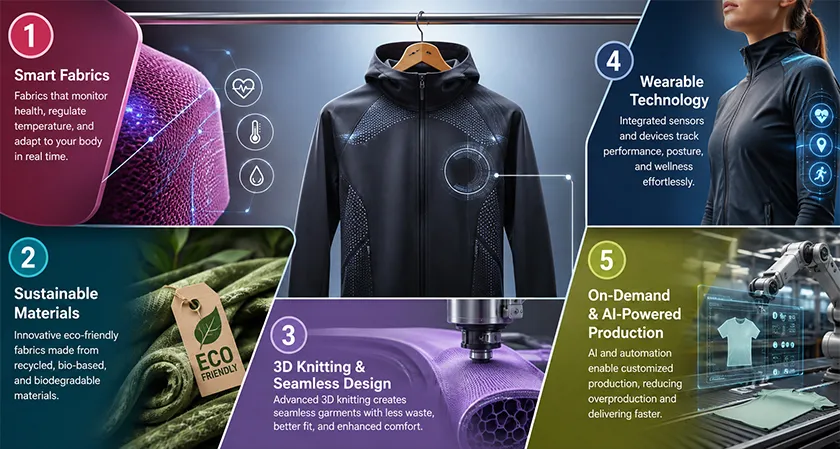
Fashion is no longer just about cut, color, and fabric. The next wave of what we wear is being shaped by material science, data, robotics, and sustainability goals. From smarter sizing to fabrics that react to the environment, garment technology is changing how clothes are designed, made, sold, worn, and recycled. While the tech sector isn’t exactly known for its interest in fashion, some really interesting things are happening in garment tech right now. Here are five innovations to watch:
- AI-powered fit and sizing
Poor fit is one of the biggest problems in fashion, especially for online shopping. It leads to high return rates, wasted shipping, and customer frustration. Fit, in fact, is one of the reasons why brands like SKIMS shapewear are so popular - everyone wants clothes that give a good silhouette, with no pinching, bulging, or sagging.
AI-powered fit tools are helping brands to solve this by analyzing body measurements, purchase history, product data, and customer feedback to recommend more accurate sizes.
Some platforms use smartphone scans to create digital body profiles, while others predict fit based on how similar garments performed for similar shoppers. For brands, this data can also guide design decisions, helping them understand where clothing is too tight, too long, or inconsistent across sizes.
As the technology improves, expect sizing to become more personalized. Instead of choosing between small, medium, and large, shoppers may eventually receive recommendations based on preferred fit, posture, body shape, and fabric stretch.
- Smart textiles with built-in functionality
Smart textiles are fabrics engineered to do more than cover the body. They can sense movement, monitor temperature, track health signals, or respond to changing conditions. Some garments already use conductive yarns, embedded sensors, and flexible circuits to collect biometric data during exercise or recovery.
In sportswear, smart textiles can help athletes track muscle activity, breathing, and posture without wearing bulky devices. In healthcare, they may support remote patient monitoring by collecting heart rate, movement, or pressure data. For everyday consumers, temperature-regulating fabrics are especially promising, offering warmth or cooling without adding extra layers.
The key challenge is making these garments washable, durable, comfortable, and affordable. Once brands solve those issues at scale, smart textiles could become a normal part of daily dressing.
- 3D design and virtual sampling
Traditional garment development often requires multiple physical samples, which consume fabric, labor, shipping, and time. 3D design software allows designers to create realistic digital garments, test patterns, adjust fit, and visualize drape before producing a physical sample.
This innovation is already speeding up product development. Teams in different countries can review the same virtual garment, request changes, and approve designs without waiting for samples to ship. It also helps brands reduce waste by cutting down on unused prototypes.
Virtual sampling is especially useful for e-commerce and marketing. Digital garments can be shown on avatars in different sizes, colors, and body types, giving shoppers a better sense of how a product may look and fit. As digital fashion tools become more accurate, they will likely become standard across design studios.
- On-demand and automated manufacturing
Mass production has long been the foundation of apparel, but it often creates overstock and markdowns. On-demand manufacturing offers a different model: garments are made only after a customer orders them. This reduces excess inventory and allows brands to offer more customization.
Automation is helping make this possible. Advanced cutting machines, sewing robots, digital knitting systems, and automated finishing tools are speeding up production while improving consistency. Seamless knitting, for example, can create complete garments with minimal waste and fewer assembly steps.
On-demand production is not yet practical for every category, especially complex garments that require detailed handwork. However, for basics, knitwear, uniforms, and customized apparel, it could reshape the supply chain by bringing production closer to the customer and reducing unnecessary stock.
- Circular materials and recycling technology
Sustainability is one of the biggest drivers of garment innovation. New recycling technologies are being developed to break down old clothing into reusable fibers, even when garments contain blends like cotton-polyester. This is important because blended fabrics are difficult to recycle using traditional methods.
Material innovators are also creating alternatives to virgin polyester, leather, and conventional cotton. These include bio-based fibers, lab-grown materials, recycled nylon, and fabrics made from agricultural waste. The goal is to reduce dependence on resource-heavy inputs while maintaining performance, comfort, and durability.
Circular design goes beyond materials. It also includes garments designed for repair, resale, disassembly, and recycling. Brands that plan for a product’s full life cycle will be better positioned as regulations tighten and consumers demand more responsible fashion.
The future of apparel is technical
The most exciting garment innovations are not just futuristic concepts. Many are already entering the market through activewear, intimates, medical apparel, luxury fashion, and mass retail. The winners will be technologies that improve real-life comfort, reduce waste, and make clothing easier to buy and wear.
As fashion becomes more digital, responsive, and sustainable, garment tech will move from behind the scenes to the center of the industry. For consumers, that means better-fitting, smarter, and more responsible clothing. For brands, it means a new era of competition where innovation matters as much as style.














Comments