>>
Industry>>
Food and beverages>>
FSSAI Bans Sale of Old Monk, A...FSSAI Bans Sale of Old Monk, Antiquity Blue, Royal Challenge Variants over Artificial Flavoring
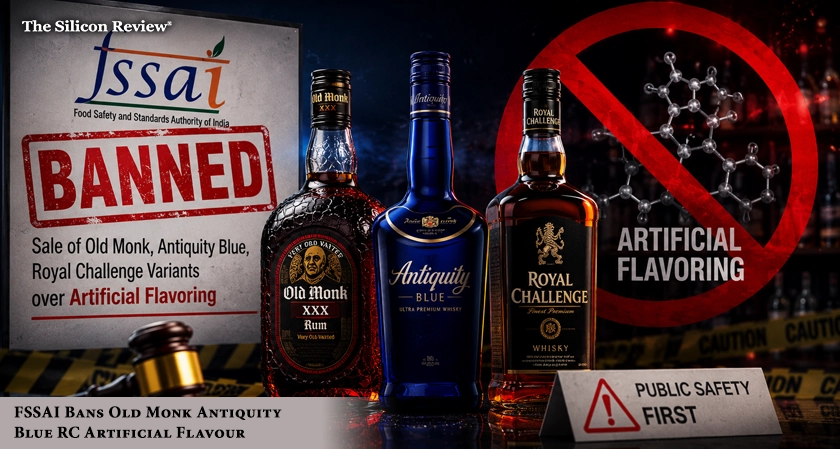
India's food safety regulator has banned select variants of Old Monk, Antiquity Blue, and Royal Challenge after laboratory tests detected artificial flavoring, a practice the FSSAI says undermines traditional production methods and consumer trust.
India's alcoholic beverage industry is a significant contributor to the economy, with brands like Old Monk, Antiquity Blue, and Royal Challenge enjoying iconic status and loyal consumer bases. The Food Safety and Standards Authority of India (FSSAI) have taken a firm stance against what it sees as deceptive practices in the production of whisky and rum.
The regulator's action comes amid a broader crackdown on the food and beverage sector, including recent directives on the marketing of high-caffeine energy drinks. The FSSAI's decision to ban select variants of these popular alcoholic beverages reflects a growing focus on ensuring that products meet the standards expected of them, particularly regarding traditional production methods.
What Happened: The FSSAI Ban
The FSSAI has prohibited the sale of select variants of whisky and rum manufactured by Diageo India's United Spirits, Inbrew Beverages, and Mohan Rocky Springwater. The ban follows laboratory tests that detected the use of artificial or nature-identical flavoring in products that, according to the regulator, should derive their taste through natural ingredients and ageing.
"There is no internationally recognised manufacturing practice whereby rum flavour is added to rum or whisky flavour is added to whisky," the FSSAI said in a statement.
The regulator found that some manufacturing units were adding flavours of the alcoholic beverage itself, such as whisky flavour to whisky and rum flavour to rum, instead of relying on conventional production methods. While Indian food safety regulations allow the use of natural flavoring substances, the FSSAI alleged that the products tested contained external artificial or nature-identical flavours, rendering them "sub-standard."
The Affected Products
The ban covers specific variants and manufacturing locations:
- Antiquity Blue Whisky and Royal Challenge Whisky manufactured by United Spirits in Madhya Pradesh.
- Bagpiper Deluxe Whisky and Old Cask Deluxe XXX Rum produced by Inbrew Beverages in the state.
- Three variants of Old Monk rum manufactured by Mohan Rocky Springwater in Maharashtra.
It is not yet clear whether the restriction applies only to products manufactured at the identified facilities or extends to the same brands produced at other plants.
Why It Happened: The FSSAI's Rationale
The FSSAI's action is rooted in the principle that products like whisky and rum are expected to develop their taste and aroma through natural ingredients and ageing, rather than through the addition of flavoring agents. The regulator argues that the use of artificial flavoring undermines traditional production methods and could allow manufacturers to bypass key processes, including proper maturation and the use of natural raw materials such as molasses, malt, or grapes.
Who Will Be Impacted
- Consumers: The ban aims to protect consumers from products that do not meet the expected quality standards. However, it may also lead to a temporary shortage of these popular brands, affecting consumer choice.
- Manufacturers: Diageo India, Inbrew Beverages, and Mohan Rocky Springwater will face immediate disruptions to their supply chains and potential revenue losses. The companies may also face reputational damage.
- Retailers and Distributors: The ban will impact sales and distribution networks, particularly for the affected variants.
- The Industry: The ban serves as a warning to the broader alcoholic beverage industry to ensure compliance with FSSAI regulations.
Economic Impact: Will the Country's Revenue Be Affected?
The ban could have a short-term impact on the revenue of the affected companies and the government's excise tax collections. Old Monk, Antiquity Blue, and Royal Challenge are significant brands in India's alcoholic beverage market, and restrictions on their sale could lead to a dip in sales. However, the long-term impact may be limited if the companies quickly rectify the issues and resume production of compliant products. The broader economic impact will depend on the duration of the ban and the scale of enforcement.
What Is Expected to Happen Next
- Industry Response: The affected companies are likely to appeal the decision and seek clarifications from the FSSAI. They may also expedite efforts to ensure compliance with the regulations.
- FSSAI Action: The regulator may extend its scrutiny to other brands and manufacturing units, leading to further enforcement actions.
- Consumer Awareness: The ban is likely to raise consumer awareness about the quality and authenticity of alcoholic beverages, potentially influencing purchasing decisions.
Here is the question this ban raises. The FSSAI has banned select variants of Old Monk, Antiquity Blue, and Royal Challenge over artificial flavoring. When a regulatory body takes a strong stance against deceptive practices, what does it mean for the integrity of India's food and beverage industry?
As the FSSAI steps up its scrutiny of the sector, The Silicon Review asks a final question. When iconic brands face regulatory action, how will the industry respond to restore consumer trust?
FAQ:
Q: Why did the FSSAI ban select Old Monk, Antiquity Blue, and Royal Challenge variants?
A: The FSSAI banned these products after laboratory tests detected the use of artificial or nature-identical flavoring, which the regulator says undermines traditional production methods.
Q: Which products are affected by the FSSAI ban?
A: The ban covers Antiquity Blue Whisky and Royal Challenge Whisky (United Spirits), Bagpiper Deluxe Whisky and Old Cask Deluxe XXX Rum (Inbrew Beverages), and three variants of Old Monk rum (Mohan Rocky Springwater).
Q: What is the FSSAI's rationale for the ban?
A: The FSSAI argues that whisky and rum should develop their taste and aroma through natural ingredients and ageing, not through the addition of artificial flavoring agents.
Q: Will the ban affect all variants of these brands?
A: It is not yet clear whether the restriction applies only to products manufactured at the identified facilities or extends to the same brands produced at other plants.
Q: What could be the economic impact of the FSSAI ban?
A: The ban could lead to a short-term dip in sales and revenue for the affected companies, but the long-term impact will depend on the duration of the ban and the industry's response.












Comments