>>
Industry>>
Architecture and interior design>>
Innovations That Are Changing ...ARCHITECTURE AND INTERIOR DESIGN
Innovations That Are Changing The Future Of Home Accessibility
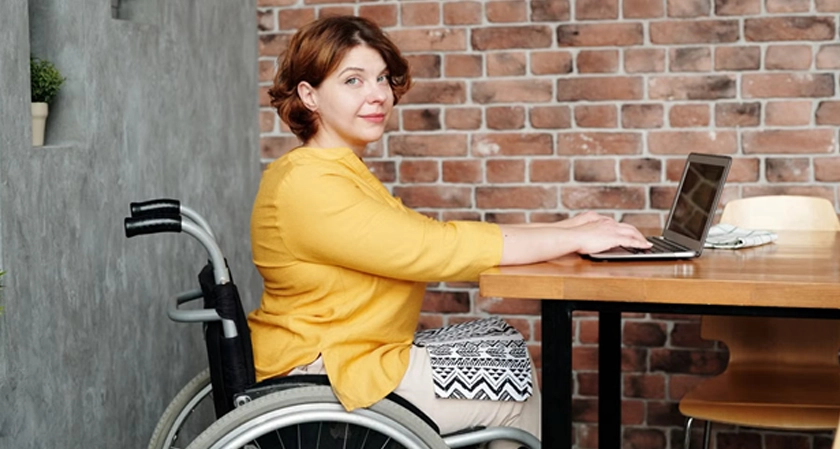
Living space adaptations are making independent living safer, simpler, and far more practical. Emerging technologies give individuals of all physical abilities direct control over their environments.
Simple retrofits combined with advanced mechanical systems remove traditional obstacles throughout residential spaces. Modern living arrangements now prioritize personal independence, comfort, and security without sacrificing home design.
Smart Home Controls For Daily Autonomy
Voice activation systems and connected networks form the primary backbone of automated living spaces. Connected devices support accessibility, helping elderly homeowners, disabled people, and caregivers create a home that is easier to control. Controlling lights, thermostats, and entrance locks with simple voice commands eliminates physical strain during routine tasks.
Centralized hubs merge multiple appliances into unified control applications on smartphones or tablets. Users can schedule automated light routines, check security cameras, or adjust room temperatures without moving from room to room. Remote monitoring tools allow family members to assist with daily upkeep without intruding on individual privacy.
Smart appliances issue maintenance alerts directly to mobile devices. Automated notification systems inform homeowners about water leaks, open doors, or sudden temperature shifts before hazards develop.
Residential Lifts and Multi-Floor Navigation
Multi-story living often presents physical hurdles for residents facing reduced mobility or joint stiffness. Stairs can become hazardous as years pass, limiting access to bedrooms or upper-floor amenities. Installing specialized lift systems restores full access to every level of a dwelling.
Modern residential mobility solutions are transforming how people move between floors without needing traditional staircase installations. Modern vertical lifts fit seamlessly into tight residential layouts, and the team from Stiltz Healthcare says that compact home elevators require minimal building alterations compared to standard options. Homeowners can retain full access to upper levels while preserving original living spaces.
Through-floor lifts run on quiet electric motors and standard electrical outlets, making installation straightforward. Compact designs allow these units to fit into hallways, study areas, or living room corners. Built-in pressure sensors stop lift movement instantly if an object blocks the travel path.
Touch and Breath Sensitive Switch Systems
Advanced input devices provide direct control options for individuals with severe physical constraints or limited manual dexterity. Through specially designed switches, sensitive to touch or breath, users gain direct access to equipment and lower certain types of dependence. Custom pressure pads and sip-and-puff interfaces convert minor physical inputs into operational commands.
Adaptable control interfaces link directly to various household items, including entertainment hardware and adjustable beds. These tools assist users in controlling their environments with minimal effort:
- Touch-sensitive pads needing minimal pressure to activate room switches.
- Sip-and-puff tubes converting pneumatic air movement into electronic commands.
- Proximity sensors detecting hand gestures across close distances.
- Eye-tracking panels displaying digital switch layouts on screen displays.
Flexible mounting arms allow control pads to sit comfortably near wheelchair headrests, bed frames, or armrests. Simple adjustments keep control options within reach throughout the day. Dual-switch options give users multiple ways to issue commands based on energy levels.
Workplace and Remote Productivity Tools
Assisting personal independence inside the home extends directly into remote employment and home office environments. In the workforce, assistive technology supports full participation and productivity for employees with disabilities. Ergonomic digital workspaces lower physical barriers for remote professionals.
Screen readers, speech-to-text programs, and custom trackballs allow users to perform complex digital tasks with ease. Specialized desk setups raise or lower electronically, accommodating changing positions throughout work hours. Customizable keyboards reduce wrist strain during long typing sessions.
Hands-free telephone headsets and automated scheduling applications maintain seamless communication. Integrated software tools organize daily workflows without demanding physical speed or fine motor skills.
Remote work tools can be customized to fit each person's role and needs. Adjustable monitor arms help users set screens at the right height and angle. Special devices like vertical mice or eye‑tracking systems make navigation easier for people with limited hand movement.
Voice commands can reduce the need for repeated typing and clicking during long workdays. When you add accessible software, flexible schedules, and supportive policies, employees get a more adaptable setup that helps them work more independently.
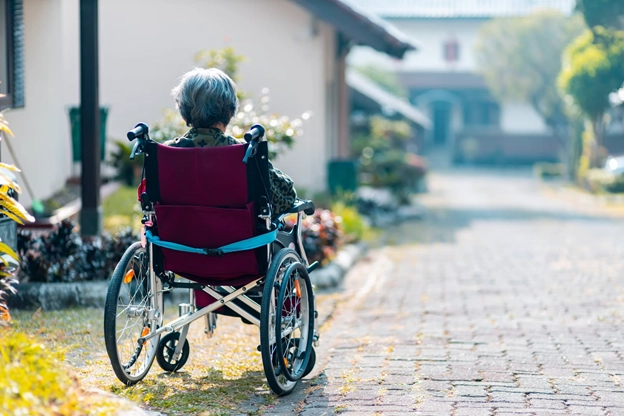
Automated Safety and Architectural Adjustments
Physical modifications to doorways, flooring, and kitchen counters work alongside digital tech to keep spaces usable. Motion-sensing lighting paths along hallways guide movement at night, lowering fall hazards near steps or threshold rises. Low-profile transition strips create smooth pathways across different floor materials.
Lowered countertops, pull-down cabinet shelving, and roll-in shower basins create friction-free daily routines. Automatic door openers clear pathways instantly, letting power wheelchair users navigate tight doorways easily. Sensor-based faucets stop water flow automatically to prevent accidental basin overflows.
Designing accessible living environments keeps homes functional for every stage of life. Blending physical modifications with smart digital systems transforms daily routines, offering security and confidence to residents. Modern advancements make self-reliance a practical reality for people seeking comfort inside their own homes. Home accessibility solutions continue to expand possibilities for comfortable independent living.












Comments