>>
Technology>>
Science and technology>>
Perseid Meteor Shower Peaks To...Perseid Meteor Shower Peaks Tonight: When and Where to Watch the Year's Best Celestial Show
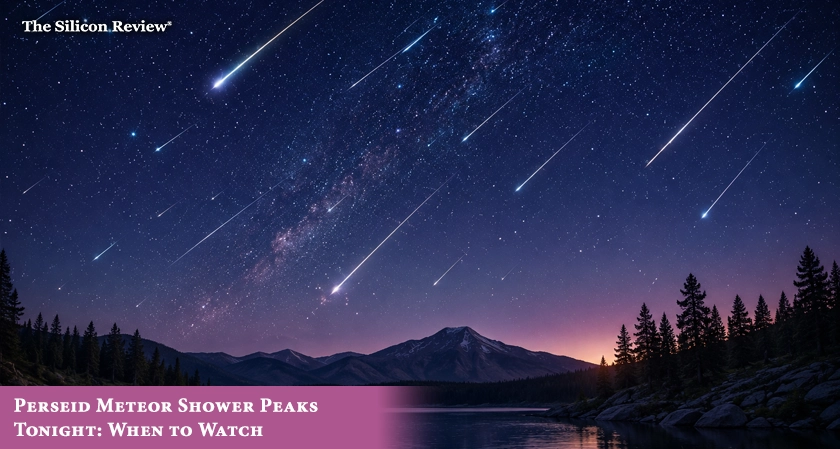
The Perseid meteor shower, considered the best meteor shower of the year, reaches its peak tonight, August 12, with up to 100 meteors per hour expected under a new moon.
The Perseid meteor shower, one of the most spectacular celestial events of the year, reaches its peak tonight, August 12, and continues into the early morning of August 13, 2026. Under ideal conditions, skywatchers in the Northern Hemisphere could see up to 100 meteors per hour, with excellent visibility conditions thanks to the new moon.
"The Perseid meteor shower, which NASA said is considered the 'best meteor shower of the year,' will reach its peak tonight, Aug. 12, and into the early morning of Aug. 13," according to astronomy experts.
Why 2026 Is Special
This year's Perseid display is particularly favourable because the peak coincides with a new moon on August 12, providing wonderfully dark skies for observers. The absence of moonlight means even the fainter meteors have a much better chance of being seen. A new moon won't fall on August 12 again until 2045, making this an unusually favourable display.
Best Time to Watch
The best viewing window begins around midnight and improves throughout the night, continuing until the first light of dawn. For most observers, the sweet spot is from approximately 2:00 AM to 4:30 AM local time, when the Perseid radiant rises higher in the sky. While meteors can appear anytime after dark, the pre-dawn hours typically offer the highest rates.
Where to Look
The Perseids appear to radiate from the constellation Perseus, which rises in the northeastern sky during the evening. However, meteors can streak across any part of the sky, and the longest, most dramatic trails are often seen well away from the radiant. For the best experience, find a dark location away from city lights and lie back with a wide view of the sky.
No Telescope Required
Meteor showers are best enjoyed without any optical equipment. The naked eye naturally covers a wide field of view, allowing you to catch meteors as they flash across the sky. A reclining lawn chair, blanket, and about 20 minutes for your eyes to adjust to the darkness are the most valuable tools for viewing the Perseids.
What to Expect
Under ideal dark-sky conditions, observers could see 50 to 100 meteors per hour. The Perseids are known for their bright, fast meteors that frequently leave long "wakes" of light and colour. Fireballs, exceptionally bright meteors from larger particles of cometary material, are also common.
"With swift and bright meteors, Perseids frequently leave long 'wakes' of light and color behind them as they streak through Earth's atmosphere," NASA notes.
The Perseid meteor shower is active from July 17 through August 24, but the peak activity on the night of August 12-13 offers the best opportunity to witness nature's fireworks display.
Here is the question this celestial event raises. The Perseid meteor shower peaks tonight with up to 100 meteors per hour under a new moon. When the night sky offers such a spectacular display, what does it take for us to step away from our screens and look up?
As the Perseids light up the night sky, The Silicon Review asks a final question. When the universe puts on a free show, how many of us will take the time to watch?
FAQ:
Q: When is the Perseid meteor shower peak in 2026?
A: The Perseid meteor shower peaks on the night of August 12 and continues into the early morning of August 13, 2026.
Q: What time should I watch the Perseid meteor shower?
A: The best viewing time is generally after midnight, with optimal viewing from around 2:00 AM to 4:30 AM local time.
Q: How many meteors will I see during the Perseid shower?
A: Under ideal dark-sky conditions, observers can see 50 to 100 meteors per hour during the peak.
Q: Why is 2026 a good year for the Perseids?
A: The peak coincides with a new moon, providing dark skies without moonlight interfering with fainter meteors.
Q: Do I need a telescope to see the Perseid meteor shower?
A: No, the naked eye is the best way to watch meteor showers as it offers the widest field of view.













Comments