>>
Industry>>
Automobile>>
Are Tailored Car Seat Covers W...Are Tailored Car Seat Covers Worth the Investment?
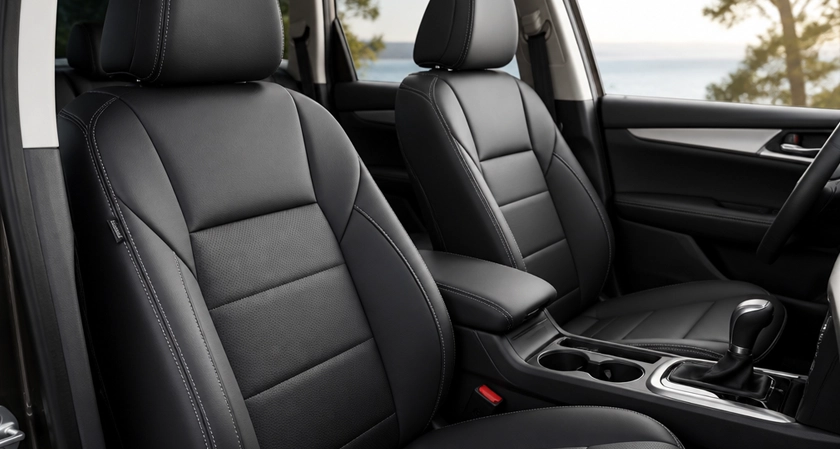
Factory upholstery is exposed to wear every time a vehicle is driven. Sliding into the driver's seat creates friction, drinks can spill during a commute, children can leave crumbs and stains, and pets or outdoor gear can introduce dirt and moisture. Seat covers provide an extra layer of protection, but drivers still have to decide whether paying for a tailored fit is worthwhile.
For many vehicle owners, the answer depends on how often the car is used and what the interior encounters. Drivers considering custom seat covers for cars should look beyond appearance and compare fit, coverage, durability, comfort, vehicle compatibility, and expected ownership time before making the investment.
What Makes a Tailored Seat Cover Different?
Universal seat covers are generally designed to fit a range of vehicles. This makes them accessible and convenient, but differences in seat dimensions and configurations can result in extra material, exposed areas, or a fit that requires periodic adjustment.
Tailored options take the specific seat configuration into account. Depending on the design, they may accommodate headrests, armrests, controls, seat contours, and other factory features.
The closer fit can make the covers appear more integrated with the interior while helping them remain properly positioned during regular driving.
Does a Better Fit Provide Better Protection?
A cover can only protect the areas it actually covers. When material shifts or bunches, portions of the factory upholstery may become exposed to dirt, spills, and friction.
A tailored fit is intended to follow the seat more closely. This can be particularly useful around edges and other areas that experience frequent contact as drivers enter and exit the vehicle.
Fit can also affect how often the cover needs to be adjusted. Drivers who use their vehicles every day may appreciate not having to repeatedly straighten loose material after getting behind the wheel.
However, correct installation remains important regardless of the type of cover. A product should always be installed according to the manufacturer's instructions.
Who Benefits Most From Tailored Seat Protection?
Not every vehicle experiences the same amount of interior wear. For a lightly driven car, basic protection may be sufficient. Tailored protection becomes more appealing when the seats regularly face demanding conditions.
Daily commuters accumulate frequent seat use even when individual trips are short. Parents may deal with food, drinks, muddy shoes, and other messes. Pet owners often have to manage fur, dirt, moisture, and claws.
Drivers who work outdoors or participate in camping, hiking, fishing, and similar activities may also bring dust, sand, mud, or wet gear into the cabin.
In these situations, more consistent seat coverage can have practical value beyond simply changing the interior's appearance.
Can Tailored Covers Improve Interior Appearance?
Seat covers are often purchased for protection, but appearance is another reason drivers consider a more precise fit.
Loose or oversized covers can look temporary because wrinkles and excess material may remain visible. A tailored cover generally follows the contours of the seat more closely, potentially creating a cleaner appearance.
This may matter more to someone who plans to leave the covers installed for years rather than using them only during occasional trips.
Color and material should still complement the rest of the cabin. A good fit will not compensate for a design that does not suit the driver's preferences.
Are Tailored Seat Covers More Comfortable?
Comfort depends heavily on material, construction, climate, and personal preference, so a custom fit does not automatically guarantee a more comfortable seat.
Fit can, however, affect the driving experience. Material that continually moves or folds underneath the occupant may become distracting or uncomfortable during longer trips. Keeping the cover positioned properly can help reduce these issues.
When comparing options, consider breathability and texture in addition to durability. Drivers in warmer environments may have different preferences from those who regularly encounter colder conditions.
For someone spending several hours per week behind the wheel, comfort deserves as much consideration as protection.
How Does Material Affect the Investment?
A precise fit is only one component of a good seat cover. Material should be selected according to the conditions the vehicle regularly encounters.
A family car may benefit from a surface that is practical to maintain after everyday spills and messes. An outdoor-use vehicle may require greater resistance to moisture or abrasion. Pet owners may prioritize durability and straightforward cleaning.
Choosing a material that does not suit the vehicle's actual use can reduce the value of the investment, even when the fit is excellent.
Before buying, compare material characteristics and care instructions rather than selecting an option based solely on appearance.
Can Seat Covers Help Preserve Factory Upholstery?
Protective covers create a barrier between occupants and the original seating surface. This can reduce direct exposure to common sources of wear such as friction, dirt, food, pet hair, and some spills.
Protection may be especially worthwhile when the factory upholstery is still in good condition. Installing covers earlier can help limit accumulated everyday wear instead of waiting until visible damage has already developed.
Seat covers cannot prevent every form of deterioration, and vehicle interiors still require regular care. However, reducing direct contact with the original upholstery can be a useful part of maintaining the cabin.
How Long Do You Plan to Own the Vehicle?
Ownership plans can help determine whether paying more for tailored protection makes financial sense.
A driver planning to keep a car for only a short period may prefer a simpler solution. Someone expecting to drive the same vehicle for five, seven, or even ten years has much more time for everyday upholstery wear to accumulate.
The amount of driving matters as well. A five-year-old car used for a lengthy daily commute can experience more interior wear than an older vehicle driven only occasionally.
When evaluating cost, consider the expected years of use rather than viewing the purchase price in isolation.
What Should You Check Before Ordering?
Ordering the correct configuration is essential. Vehicle seats can differ even within the same model line depending on year, trim, cab or body configuration, and optional equipment.
Before purchasing, confirm the vehicle's year, make, model, and exact seat configuration. Check whether the seats include removable or integrated headrests, armrests, electronic controls, or other relevant features.
Safety compatibility deserves particular attention. Modern vehicles may incorporate airbags or other safety components into the seats, so drivers should verify the manufacturer's compatibility information before installation.
Careful fitment checks can prevent purchasing a cover that does not properly match the vehicle.
Is the Extra Cost Worth It?
The value of tailored seat covers depends on what the owner expects from them. If the only goal is temporary basic coverage, a universal option may be adequate.
The calculation changes for a heavily used daily driver. A more precise fit, consistent coverage, suitable material, and durable construction can make the additional cost easier to justify when the covers will remain installed for years.
Rather than asking whether tailored covers are universally worth the money, consider the cost relative to frequency of use. The more demanding the environment and the longer the expected ownership period, the more valuable dependable seat protection can become.
Making the Right Choice for Your Car
Tailored car seat covers can be a worthwhile investment when they solve specific problems rather than simply adding another accessory to the vehicle.
Consider the condition of the factory upholstery, how frequently the car is driven, who rides in it, and what kinds of messes or wear occur most often. Then compare fit, material, maintenance, construction, safety compatibility, and price.
For vehicles that see substantial daily use, a well-matched tailored cover can provide a practical balance of protection, appearance, and convenience while helping reduce direct wear on the original seats.













Comments