>>
Industry>>
Construction>>
Commercial Drainage Solutions ...Commercial Drainage Solutions for Modern Building Projects
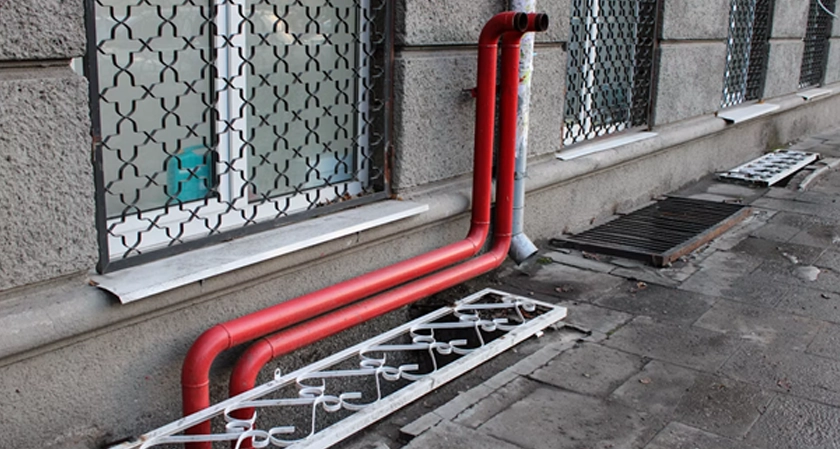
Modern commercial developments require robust water management long before tenants step inside. Sprawling roofs, multi-level parking structures, and dense concrete footings alter natural water runoff across a property. Without effective engineering, rainwater accumulates fast, threatening foundations and creating severe safety risks for daily operations. Upgrading drainage infrastructure early protects structural assets and keeps commercial facilities running smoothly.
Meeting Rigorous Stormwater Standards
Engineers must plan for extreme weather events during initial site development. Municipal codes require developers to prove that surface runoff will not overwhelm local city infrastructure. Standard guidelines indicate that commercial projects need engineered stormwater plans designed around 10-year or 25-year flood calculations. Establishing proper site flow lines early keeps properties compliant and prevents costly structural retrofits later.
Engineered plans analyze local precipitation data, soil absorption rates, and site topography. Computer modeling determines peak flow volumes during high-intensity cloudbursts. Proper calculations prevent surface erosion and protect downstream urban drainage networks.
Heavy-Duty Linear Channels for Surface Water
High-traffic surfaces like delivery bays and parking decks demand continuous surface water collection. Contracting crews often rely on custom channel designs from Dura Trench to route heavy surface flow safely across expansive sites. These pre-sloped channels clear water rapidly and support heavy commercial vehicles without structural wear. Choosing pre-engineered channels stops surface pooling before standing water causes pavement degradation.
Modular channel systems simplify installation across complex commercial footprints. Pre-sloped channels maintain steady water velocity even on flat terrain, eliminating stagnation. High-capacity grates lock firmly in place, keeping heavy loads stable during heavy industrial traffic.
Durable channel materials resist traffic abrasion and harsh seasonal freeze-thaw cycles. Smooth interior walls stop sediment from building up inside the channel runs. Quick-remove grates speed up routine maintenance checks for site service crews.
Advanced Underground Materials and Piping
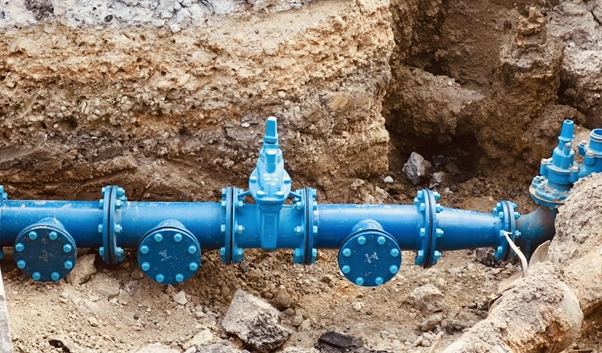
Underground infrastructure carries collected surface water away from channel runs toward municipal storm mains. Project managers are moving away from traditional materials to improve long-term system durability underground. Recent field reports indicate that modern drainage projects favor polymer piping over concrete to maintain fluid flow and avoid leaks. Modern polymers resist aggressive chemical exposure and withstand high subterranean earth pressures.
Indoor commercial zones require specialized materials to maintain strict health and safety standards. High-use environments like commercial kitchens, food plants, and washdown bays demand continuous sanitation. Industry updates show that stainless steel linear floor drains fit high-cleanliness areas like processing plants and commercial kitchens. Stainless steel prevents bacterial buildup and withstands frequent high-pressure chemical scrubdowns.
Integrated System Layouts and Smart Monitoring
Managing high water volumes requires combining multiple surface collection points with modern automation. Facility engineers coordinate diverse channel styles to match specific architectural zones across a venue. A recent design overview notes that site plans combine linear drains, slot drains, point drains, and open linear channels to route surface runoff efficiently.
Smart technology adds another layer of protection to site infrastructure:
- Wireless sensors monitor water levels inside underground catch basins.
- Automated valves adjust fluid flow during unexpected cloudburst events.
- Real-time alerts warn facility teams about physical blockages before backups occur.
- Remote telemetry sends rainfall data directly to facility managers.
Technical analyses note that IoT-integrated stormwater systems monitor rainfall and blockages to shift pumps or valves automatically. These smart systems help commercial properties adapt to severe storms in real time.
Efficient Flat Roof Drainage Designs
Large commercial roofs accumulate massive water weight during sudden downpours. Traditional gravity systems require wide vertical downspouts that take up valuable interior floor space. A recent engineering report highlights how siphonic roof systems pair specialized outlets with compact interior piping to manage flat roof runoff. Siphonic action pulls water down rapidly under full vacuum pressure, clearing roof surfaces fast.
Fewer vertical pipes give design teams greater freedom inside multi-story commercial buildings. Horizontal collector pipes run without slope under ceilings, preserving valuable interior headroom. Efficient roof drainage stops structural overload and protects building contents below.
Budgeting and Long-Term Value in Infrastructure
Planning commercial drainage involves balancing upfront installation expenses against long-term structural protection. System costs depend on channel load ratings, excavation depth, and material selection. Project pricing guides show that trench drain installation costs range from $120 to over $800 per linear foot based on load rating and site prep. Selecting durable channels upfront prevents frequent maintenance cycles and premature pavement replacement.
Expanding urban development continues to boost demand for resilient water management solutions. Growing commercial footprints increase hardscape surface areas across major metropolitan markets. A market report reveals that global drainage system spending reached $50.3 billion in 2024 with a projected 6.5% annual growth rate through 2035. Investing in high-performance water routing protects commercial assets for decades.
Smart water management is a key component of modern commercial building construction. Combining heavy-duty channels, smart sensors, and durable polymer piping keeps commercial sites safe during extreme weather. Forward-thinking developers prioritize proper water routing to safeguard building assets and maintain uninterrupted business operations.













Comments