>>
Industry>>
Supply chain management>>
How To Evaluate Empty Vape Car...How To Evaluate Empty Vape Cartridge Suppliers For Bulk Orders
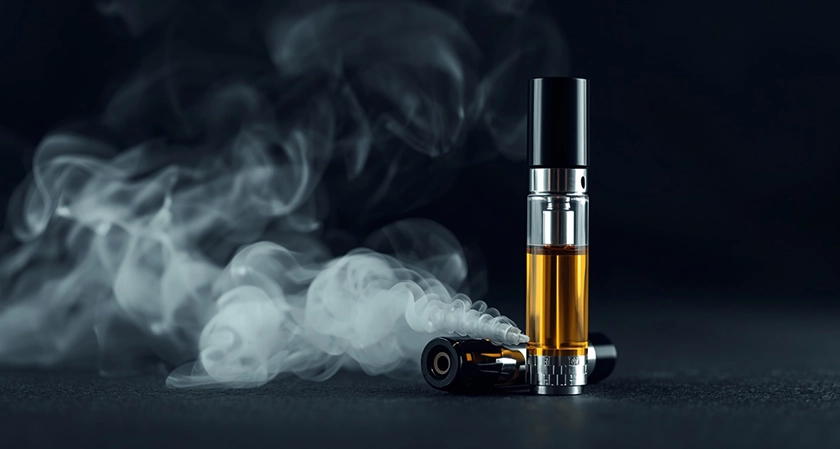
Bulk cartridge orders require careful supplier checks because small product flaws can affect an entire shipment. Buyers need clear proof of material quality, size accuracy, leak control, and reliable packing before placing a large order for retail or contract filling. A practical review process helps reduce waste and keeps production plans, filling teams, and launch dates on schedule.
A trusted supplier should provide exact details for each empty vape cartridge model, including capacity, coil type, oil compatibility, and mouthpiece style. Clear product data gives buyers a solid base for testing, cost planning, and matching hardware with oils and batteries. From there, each supplier can be reviewed through seven practical areas.
Check Material Quality
Cartridge materials should match the intended oil, filling method, and storage conditions. Buyers should ask for details about the tank, center post, seals, mouthpiece, and heating element. Each part should arrive clean, uniform, free from visible residue, and protected from dust during storage.
Safety documents add useful proof to the product review. A supplier should share material reports, test records, and clear product specifications for each cartridge component. These records help buyers confirm that the hardware meets their market, filling process, and product needs.
Review Oil Compatibility
Oil thickness has a direct effect on airflow, absorption, and vapor output. A cartridge built for thin oil may handle thick formulas poorly, so samples should match the final product. Buyers should test each model with the exact oil planned for production.
Coil performance also affects taste, heat, and cartridge life. Ceramic cores, cotton systems, and other heating designs each behave in a specific way. A good supplier explains the intended use and provides stable samples from the same production line.
Test Leak Resistance
Leak control depends on tank construction, seal placement, filling pressure, and closure strength. Sample units should be filled, stored upright, placed on their side, and checked after temperature changes. This process reveals weak seals before a bulk purchase reaches the filling room.
Mouthpieces and base parts should lock into place with even pressure. Loose parts can allow oil loss during packing or transport. Buyers should also inspect seal thickness and alignment across several samples from one batch.
Confirm Size Accuracy And Device Compatibility
Cartridge dimensions must match batteries, trays, filling machines, and retail packaging. Small size changes can create loose connections or packing delays. A supplier should provide technical drawings with clear measurements and thread details.
Sample checks should include total height, tank width, intake hole size, and mouthpiece shape. Buyers can use simple gauges or production equipment for this review. Accurate hardware supports smoother filling, capping, labeling, final assembly, and placement inside custom retail boxes.
Examine Packaging And Shipping Standards
Cartridges need secure packaging because small parts can crack, bend, or collect dust during transit. Trays, sleeves, and sealed bags should protect each unit without wasting carton space. Packaging should also suit the buyer’s storage and filling setup.
Shipping cartons need strong walls, clear labels, and accurate unit counts. Buyers should review packing photos or request a sample carton before approval. Proper packing supports faster receiving checks and reduces handling issues at the warehouse or filling facility.
The best choice comes from product tests, clear records, accurate samples, and dependable order control. A qualified empty vape cartridge supplier should support each claim with specifications, reports, and consistent hardware. Buyers should review several units from the same batch before approving a large purchase. This practical process protects product quality, packing speed, and customer experience. Strong supplier checks also create a cleaner path from sampling to full production.













Comments