>>
Industry>>
Banking and insurance>>
Indian Government’s decision...Indian Government’s decision over imposition of a fee for UPI Business payments: How it will impact the small businesses in India?
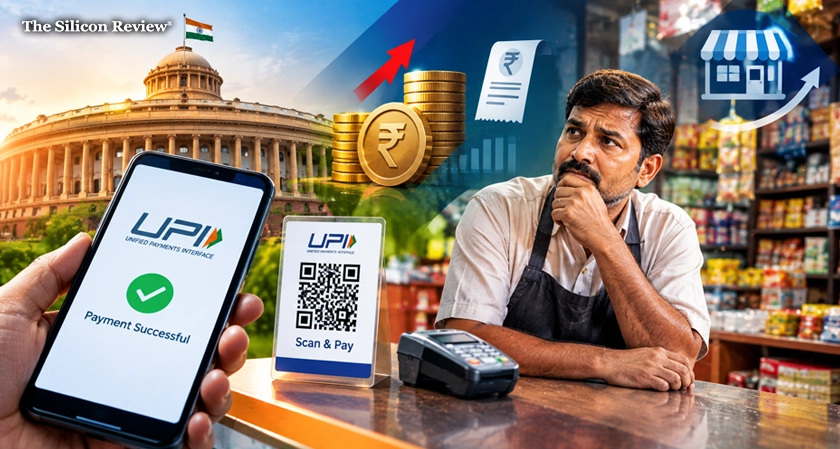
UPI payments will no longer be free in India as Government decided to impose a fee on every business transection above 2000. Bringing an end to the nearly six years of completely free UPI payments.
This action from government concerned the businesses across the country and calling out it as absurd decision to ruin country’s well-adapted, home grown digital payment system. The National Payments Corporation of India (NPCI), a quasi-governmental organization in India, announced that starting on October 15, all UPI (Unified Payments Interface) transactions above 2,000 rupees ($21) made to businesses will be subject to a 0.4 percent tax.
The UPI, which enables users to make instantaneous, cost-free payments using applications, has revolutionized the way the world's largest population conducts payments since its launch. As cash gradually gives way to digital payments, QR codes are widespread in India, from street vendors to international companies in shopping centers.
The business experts fear that the controversial fee over business payment will push out businesses out of the eco system and also they concern that indirectly it will cost customers, though government claimed that it won’t impact customer’s pocket. The decision also sparked the political controversy as the opposition accused government of taking this move under the external foreign pressure declaring it as ‘anti-people.’ Though, The Finance Ministry strongly dismissed the opposition's accusations and explained that the independent decision was made to establish a self-sufficient structure that can finance essential improvements in preventing fraud and cyber security.
On the other hand the end of the zero-MDR period has been met with overwhelming confidence by the financial markets and the larger fintech sector. Listed financial technology companies enjoyed instant stock rallies since the law specifically creates a new, multibillion-dollar revenue pool for banks and payment processors.
However the government made it very clear that Person-to-person transactions will continue to be free. But there would be a fixed price of five rupees each transaction for paying for other services, such petrol pumps, train tickets, or cellular bills.
Now this move from government and Opposition’s accusation brings The Silicon Review to think that; is there really an external foreign pressure? And if yes then one really important question; who stands to gain from this move?
Q: When was the UPI came into light?
A: On April 11, 2016, the system was inaugurated by Dr. Raghuram G. Rajan (the then Governor of the Reserve Bank of India) in Mumbai
Q: What are the reasons are given by Indian Government to justify the move?
A: To establish a self-sufficient structure that can finance essential improvements in preventing fraud and cyber security.
Q: What was opposition’s take on this move?
A: the opposition accused government of taking this move under the external foreign pressure declaring it as ‘anti-people.’
Q: What is the fee that is applicable to business transaction through UPI?
A: transactions above 2,000 rupees ($21) made to businesses will be subject to a 0.4 percent tax.
Q: When this will come on effect?
A: on October 15, all UPI (Unified Payments Interface).



















Comments