>>
Industry>>
Architecture and interior design>>
Designing a Roof That Pays You...ARCHITECTURE AND INTERIOR DESIGN
Designing a Roof That Pays You Back: How Architecture and Material Choice Shape Long Term Value
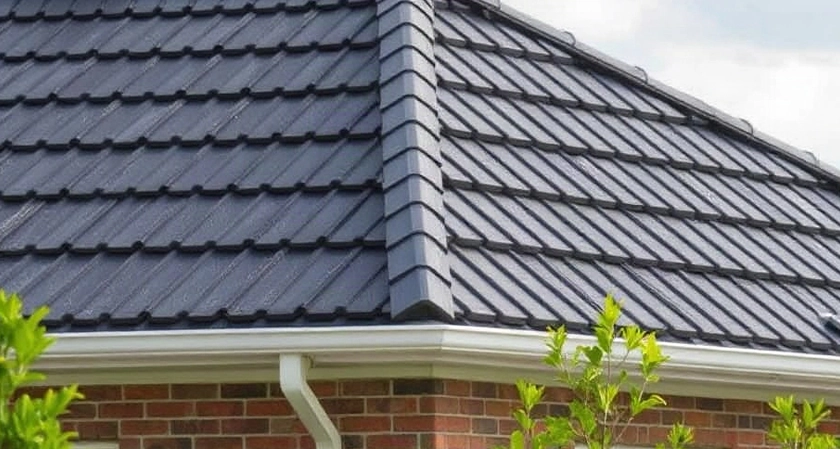
Most homeowners pick a roof color from a sample board and call it a design decision. Here's the uncomfortable truth: the hue you argue about for three weekends barely moves your home's value. The pitch, the overhang, the material weight, and how the whole thing handles rain decide whether your house looks intentional or improvised for the next thirty years.
I've walked through a lot of renovation plans, and the roofs that age well share a pattern. They were designed as part of the house, not bolted onto it. That pattern is what this piece is about, and it gives you something you can use at your next contractor meeting.
Why the Roof Is the Most Overlooked Design Surface
Think about the last house that made you slow down on a walk. Chances are the roofline caught your eye before the siding did. A deep eave, a clean ridge, a low sweeping plane over a porch. Those moves come from architecture, not from a shingle catalog.
Yet homeowners treat roofing as a maintenance line item. Understandable, since it's the part of the house you never see from inside. But from the street, your roof is roughly half of what a buyer or a passerby actually looks at. It's the silhouette of your home.
Materials matter here in ways people don't expect. Metal reflects solar heat differently than asphalt, which affects attic temperatures and how your HVAC system works over the life of the house. The Department of Energy tracks how building envelope choices shift energy performance, and roofing sits right at the top of that envelope.
How Do You Choose a Roof Material That Fits the House?
You start with the architecture, not the brochure. A craftsman bungalow with a heavy standing seam metal roof looks like a costume. A modern box with dimensional asphalt shingles looks like it gave up halfway.
Weight is the first technical constraint, and it's the one designers obsess over. Clay tile and slate are dense enough that some older frames can't carry them without structural reinforcement. That's a cost you only discover after a contractor walks the attic. Metal and asphalt are lighter and more forgiving.
Pitch is the second. Steep roofs shed water fast and can handle almost anything. Low slope roofs can't. They need membranes, seams, and drainage planning that flat roof specialists handle.
Weather is third, and it's the one Seattle homeowners can't ignore. Constant moisture, moss pressure, and long grey stretches punish the wrong choice. Cedar and synthetic cedar handle it well when detailed correctly.
Here's my stance, and it's a real one. If I were re-roofing a mid-century ranch in the Pacific Northwest on a moderate budget, I'd pick standing seam metal over architectural asphalt every time. The upfront number is higher. The twenty year picture usually isn't, once you factor in moss treatment, re-caulking, and the second replacement you avoid.
Three Details That Decide Whether Your Roof Looks Designed or Assembled
Materials get all the attention. Detailing is where the design actually lives, and it's also where cheap installations fall apart.
- Overhang depth. A generous eave throws water away from your walls and foundation. Skimpy overhangs look modern until the first sideways rain.
- Ridge and hip lines. Straight, deliberate lines read as craftsmanship. Wandering hips read as a mistake you can't unsee.
- Transition flashing. Where the roof meets a wall, a chimney, or a dormer is where leaks begin. Architects who care about this will argue with the installer about it. Let them win.
I'd add a fourth one that isn't obvious: color temperature against the facade. Warm roofs on warm siding, cool on cool. It sounds fussy. Look at ten houses on your block and you'll see which ones know this and which ones don't.
What Does the Design Actually Return to You?
Roofs don't pay you back the way a kitchen does. Nobody walks into a house and says "the roof is gorgeous, I'll pay an extra fifty grand." But a well designed roof does three quieter things.
It reduces maintenance. Fewer problem spots, fewer emergency calls, fewer weekends spent on moss.
It supports the sale. A buyer's inspector will flag a tired roof, and that flag becomes a negotiation. Design quality and condition quality overlap more than people think.
It anchors the look of the house. When the roof and the facade argue, everything else on the property feels off. That's a real thing architects talk about, and it's measurable in how quickly homes move when they're on the market.
The federal Department of Housing and Urban Development has documented for years how exterior condition feeds into how homes are assessed and valued, which is a roundabout way of saying the outside of the house is not decoration. It's part of the asset.
So yes, you'll want a clear answer on roof replacement cost before you commit. Get that number in writing. But treat the design conversation as the thing you're really buying, because it's the part that outlives the invoice.
A Practical Checklist for Your Next Roof Project
Before you sign anything, walk through these with your contractor. Not all of them will have answers. The ones worth hiring will.
- Ask how the new roof changes the house's silhouette. If the answer is "it won't," ask why not.
- Request the manufacturer's installation specification, not just the product name. The National Institute of Standards and Technology publishes reference material on building performance standards, and it's a good reminder that the spec is the contract.
- Confirm the structural capacity for your chosen material weight.
- Get the transition flashing approach in writing, with a detail sketch if possible.
- Ask what moss management looks like in year three, not year one.
- Photograph the tear-off. Whatever's under there explains future problems.
That sixth item is the one most homeowners skip. I'd argue it's the most valuable photo you'll take during the whole project. It's your baseline for every question that comes later.
Where Design and Budget Meet
You don't have to choose between a beautiful roof and a sensible one. You have to choose between a roof that was thought about and one that was priced out in ten minutes.
The design fee, if there even is one, is small next to the material. The detailing is where the money and the beauty hide together. So when your contractor hands you three quotes and two of them are nearly identical on price, look closely at what's different. That difference is usually the design.
Pick the one that treats your roofline like it belongs to the house. Then go back and re-read your quote one more time with that lens. It's the cheapest design review you'll ever get.













Comments