>>
Industry>>
Travel and hospitality>>
The Quiet Rivers of Southeast ...The Quiet Rivers of Southeast Asia Beyond the Busy Cruise Corridors
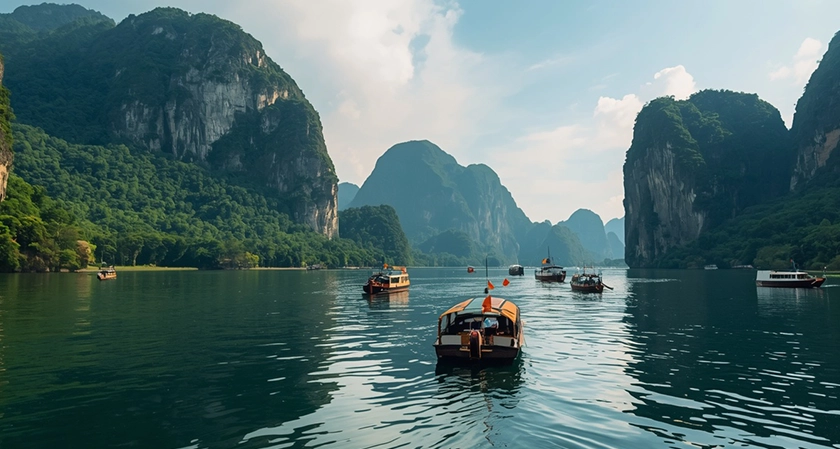
The Mekong gets all the press, and the crowds to match. Here's the thing: the river's most famous stretch between Siem Reap and Ho Chi Minh City has become a maritime highway of luxury liners jostling for docking space at the same floating village. But Southeast Asia hides a second tier of rivers that offer the same slow-motion immersion without the convoy. I've spent years studying these waterways, and the secret is that the best ones rarely show up on a first-time search. So let's talk about where you should point your bow instead.
Why You Should Rethink the Big River Routes
The economics of river cruising pushes every operator toward the same handful of routes. That concentrates traffic on the Mekong, the Irrawaddy, and the upper Chao Phraya. World Bank data on regional infrastructure spending confirms that tourism dollars flow overwhelmingly toward these established corridors, leaving the smaller tributaries underdeveloped and gloriously empty.
What does that mean for you? On the Mekong, you'll share sunsets with a dozen other vessels and haggle for souvenirs at markets that see thousands of visitors a week. On the quieter rivers, you might go an entire afternoon without seeing another tourist boat. The trade-off used to be comfort: small rivers meant basic vessels. But that's changing fast. Operators are launching boutique ships with real beds, private bathrooms, and chefs who source from the riverbanks they pass each morning.
You're not sacrificing luxury by going small. You're trading a floating resort for a floating lodge, and the intimacy more than makes up for the square footage.
The Perak River: Northern Malaysia's Hidden Spine
Most travelers fly straight over Malaysia's longest river without a second thought. The Perak runs 400 kilometers from the Titiwangsa Mountains to the Strait of Malacca, passing through royal towns, limestone caves, and mangrove forests that look untouched by the 21st century.
Cruises here are newer and smaller, often carrying fewer than thirty passengers. The rhythm is different from anything you'll find on the big Southeast Asian routes.
You'll wake to mist burning off the water, watch fishermen cast their nets the same way their grandfathers did, and stop at villages where the arrival of a riverboat is still an event worth photographing.
The highlight for my money is the stretch near Kuala Kangsar, where the river bends past the royal palace and the oldest rubber tree in the country. The history is layered, and because the tourism infrastructure is younger, you get honest interactions rather than staged performances. The guides tend to be locals who grew up on the water, not career cruise staff shuttling between assignments.
I'd pick the Perak over a Mekong crossing if your priority is solitude with a side of genuine cultural exchange. The boats are humbler, but the memories stick harder.
The Bassac: A Tonle Sap Tributary Less Traveled
Here's a name you might not know, and that's exactly the point. The Bassac branches off the Mekong near Phnom Penh and heads south toward the Vietnamese border, threading through some of Cambodia's most fertile farmland. It's a working river, crowded with cargo boats and fishing skiffs, and that's precisely what makes it fascinating.
Where the mainstream cruise itineraries stage their excursions to floating villages that have become tourist attractions, the Bassac offers the real thing. You'll pass communities that still trade by water, with schools and pagodas built on stilts above the seasonal floodplain. The UNESCO designation for the region's intangible cultural heritage covers traditions that these riverside communities still practice daily.
A handful of expedition operators now offer Bassac itineraries, usually as an add-on to a longer Cambodia trip. The vessels are smaller and the excursions feel more like fieldwork than tourism. You might spend an afternoon learning how farmers manage the floating rice fields, or helping local monks prepare for a festival. This isn't a polished performance. It's life on the river, observed from a respectful distance.
If you've already done the mainstream mekong delta cruises and want to go deeper into the delta ecosystem without repeating yourself, the Bassac is your move.
What You Actually Gain by Going Smaller
Let me break down the practical differences, because they matter more than romantic notions about empty rivers.
- Draft and access. Big ships need deep water and wide turns. Smaller vessels can nose into channels and side creeks that larger craft physically cannot enter. That's how you end up at a village market where the vendors don't already know the cruise ship schedule.
- Docking flexibility. When you're one of three boats instead of one of thirty, the crew can adjust the plan on the fly. Weather changes, local festivals, a fisherman who offers to show you his nets. The smaller operation says yes to those moments.
- Passenger-to-crew ratio. The famous luxury lines advertise high ratios, but on a boat with forty guests and the same crew size, you get a different quality of attention. The staff learn your coffee order by day two.
There's a real trade-off to name honestly: smaller boats feel more motion on open water, and the cabins are usually more compact than the penthouse suites on the big ships. But you're not signing up for a penthouse. You're signing up for a different kind of journey.
How to Vet a Lesser-Known River Cruise
Booking an itinerary on a smaller river carries more risk than sticking with the established operators. You have to ask better questions before you hand over your money. Here's a checklist I use:
- Ask about the vessel's age and maintenance schedule. A charmed older boat beat a poorly built new one every day. Ask for the last dry-dock date, not the launch year.
- Request the actual itinerary, not the brochure version. Cross-reference what they list against a map. If they claim four villages in one day, they're going to be rushing you through each one.
- Check the guide-to-guest ratio and who the guides actually are. A local who grew up on the river is worth more than a trained hospitality professional who just memorized a script.
- Ask what happens when the water level drops. Smaller rivers are more sensitive to seasonal changes. A good operator has contingency plans.
I've seen travelers get burned by operators who take their money and then cobble together a half-baked itinerary with rented longtails. Do the homework and you'll find the gems.
Timing Your Trip Around the Monsoon
The single biggest mistake first-time river cruisers make in Southeast Asia is ignoring the seasons. The National Geographic travel desk regularly warns that dry-season travelers who expect lush riverbanks are often shocked by the low, brown water and exposed mudflats.
The green season, roughly June through October, brings the rain that swells the rivers and floods the surrounding plains.
That flood pulse is what makes the ecosystem tick. Birds return to nesting grounds. Fish move into newly flooded forests. Villages that sat isolated during the dry months become accessible only by boat, which means you see a side of the region that simply doesn't exist on a dry-season itinerary.
Yes, you'll get afternoon downpours. Pack a good rain jacket and embrace the humidity. The reward is mornings that look like they belong in a different century, with water stretching to the horizon and the jungle steaming under a low sun. I'd take that over a guaranteed-sunshine tour of the same sights any day.
Pack for the River, Not the Brochure Photos
One thing that surprises most first-timers is how little they need. The brochure shots show travelers in crisp linen sipping cocktails on deck. The reality involves mud, insects, and humidity that defeats even the best hair product within an hour of stepping ashore.
Pack light layers that dry fast. Bring shoes you're willing to ruin. Carry a decent water bottle and a small daypack for shore excursions. Leave the designer luggage at home; it will just collect dust and regret. What matters is curiosity and a tolerance for the unpredictable.
The quieter rivers reward travelers who let go of the schedule and let the current set the pace.
So the question becomes simple: do you want to see the rivers everyone photographs, or the ones worth photographing for the first time?













Comments