>>
Industry>>
Compliance and governance>>
US Midterms Begin With Chaos O...US Midterms Begin With Chaos Over Mail Voting as Ballots Go Out Trump's Executive Order Faces Legal Challenge
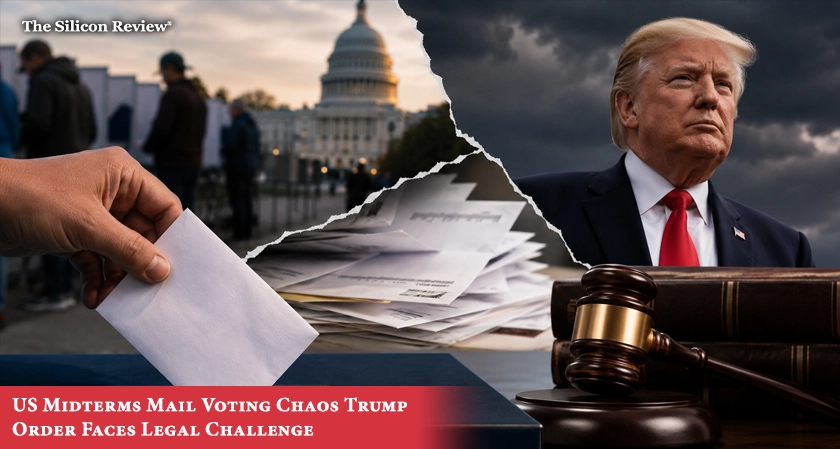
The US midterm elections have kicked off in confusion over mail voting, with North Carolina sending out ballots on Friday while a federal judge blocks President Trump's sweeping executive order that would impose new restrictions, leaving voters and officials uncertain about the rules.
The US midterm elections have launched into a state of chaos, with ballots already going out in North Carolina on Friday while President Donald Trump presses courts to enforce sweeping new restrictions on mail voting. The season that will determine control of Congress has begun, yet voters and officials remain unsure what rules will govern millions of mail ballots.
A Federal Judge Steps In
A federal judge has extended a block on Trump's executive order, warning that hurried changes could cause widespread disruption and disenfranchisement. The ruling comes as whistleblower allegations suggest a new Postal Service verification system was rushed and could reject entire batches of ballots due to a single barcode problem.
"The court is concerned that these last-minute changes will create chaos and confusion for voters and election officials alike," the judge stated in the ruling.
The Trump Order and Its Impact
President Trump's executive order, issued last month, would impose new verification requirements for mail-in ballots, restrict drop-box locations, and limit the time frame for counting mailed ballots. Critics argue the order is an attempt to suppress voter turnout, while the administration defends it as necessary to protect election integrity.
Whistleblower Allegations
Adding to the turmoil, whistleblowers have come forward with allegations that the Postal Service's new verification system was rushed into implementation and is flawed. According to reports, a single barcode issue could lead to entire batches of ballots being rejected, potentially disenfranchising thousands of voters.
"This is a recipe for disaster. We're heading into an election with a system that hasn't been properly tested," a whistleblower told reporters.
What's at Stake?
The November midterms will determine control of both chambers of Congress. With Republicans holding a narrow majority in the House and Democrats defending several vulnerable Senate seats, the election is expected to be highly competitive. The confusion over mail voting rules could have significant implications for voter turnout and the outcome of key races.
Here is the question this chaos raises. The US midterm elections have begun with ballots going out while federal courts and the Trump administration clash over mail voting rules. When a single barcode error could invalidate entire batches of ballots and a rushed verification system threatens to disenfranchise voters, is this election season destined for crisis, or will the checks and balances of American democracy prevail?
FAQ:
Q: When did the US midterm elections officially begin?
A: The US midterm elections officially began on September 4, 2026, when North Carolina became the first state to send out mail ballots.
Q: What is President Trump's executive order on mail voting?
A: The order imposes new verification requirements for mail-in ballots, restricts drop-box locations, and limits the time frame for counting mailed ballots. It is currently blocked by a federal judge.
Q: Why is there chaos surrounding mail voting in the 2026 US midterms?
A: There is confusion because President Trump is pushing for new restrictions on mail voting through an executive order, while a federal judge has blocked the order. Voters and officials are uncertain about the rules.
Q: What are the whistleblower allegations about the Postal Service verification system?
A: Whistleblowers claim the new Postal Service verification system was rushed and could reject entire batches of ballots due to a single barcode problem.
Q: What is at stake in the 2026 US midterm elections?
A: Control of both chambers of Congress is at stake. Republicans hold a narrow majority in the House, and Democrats are defending several vulnerable Senate seats.













Comments