>>
Industry>>
Real estate>>
Why Preventive Home Maintenanc...Why Preventive Home Maintenance Is a Smart Financial Move for Homeowners
The Silicon Review
17 September, 2026
Author:
Guest
Let’s be realistic. No one wants to neglect their home. But life happens. You’re busy with work. Your parents ask you to check in more often.
Then you just postpone getting your dishwasher fixed, while dishes are just piling up in your sink. You wait another month to fix that crack in your fence. You don’t pay attention to the small patch of mold growing in your bathroom.
The issue here is that these choices will lead to bigger problems down the road. And more expensive ones.
And sometimes, the difference between a small repair and a painful expense comes down to noticing a problem early. A little moisture today can mean mold removal services later. A loose shingle can turn into water damage.
This is why preventative home maintenance is so important. It is not only good for your health and peace of mind. It’s a good financial decision.
The good news? It does not have to mean spending a fortune every month.
Small Repairs Can Prevent Big Bills
Think about your car for a moment. You change the oil because waiting for the engine to fail would be ridiculous. Your home works in pretty much the same way.
Roofing, plumbing, electrical systems, heating and cooling equipment, windows, and appliances all wear down over time. They need attention before something breaks completely.
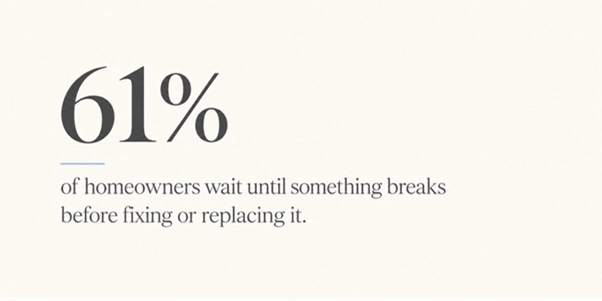
According to a NerdWallet survey, 61% of homeowners tend to fix or replace things only after they break rather than keep up with preventive maintenance.
That approach can feel cheaper because you are not paying for something today. But delaying maintenance can allow a minor issue to damage other parts of your home.
For example, if you ignore a slow plumbing leak for months, it can damage your flooring, cabinets, drywall, or insulation. And just having it fixed right away could be inexpensive.
Maintenance Helps You Control Your Spending
One of the more frustrating things about home repairs is the timing. A planned expense is easier to handle than an emergency.
It helps to put a little money aside for home repairs before you actually need it. You can then deal with smaller jobs when they come up instead of being hit with a big, unexpected bill.
You also have more time to see what’s out there. Get a few quotes, find someone you trust, or take care of the easier jobs yourself.
Your Home Keeps More of Its Value
Maintenance also matters if you ever decide to sell.
Buyers notice neglected homes quickly. Peeling paint, dirty gutters, damaged flooring, leaking faucets, or obvious water stains can make a property feel like work before the buyer has even finished the tour.
A well-maintained home gives buyers fewer reasons to worry. It also gives you better records of what has been repaired or replaced.
That does not mean that every maintenance job will increase your home's sale price. It just means you are less likely to lose value because of avoidable problems.
Taking care of your home regularly can also make a future inspection less stressful. You already know what has been fixed, what is aging, and what needs attention.
For more practical ideas on what deserves attention around your home, check out our article “What to Work On Around the House”. It offers a useful list of common projects homeowners tend to put off.
You Do Not Have to Fix Everything Yourself
Saving money does not mean turning every home repair into a DIY project.
Some jobs are simple enough to handle with a few tools and a free afternoon. Others involve electricity, gas, structural issues, roofing, or serious water damage and should be left to a qualified professional.
Here’s a good rule. Know what you can safely handle, and know when a problem has moved beyond your skill level.
You can still save money by doing the easy work yourself, keeping an eye on your home, and getting quotes before agreeing to major repairs.
For larger jobs, ask what caused the problem rather than only asking how much the repair costs. Fixing the visible damage without dealing with the source can leave you paying twice.
Our Tips for Preventive Maintenance
Creating a routine can help you stay on top of your maintenance game.
Use this monthly checklist:
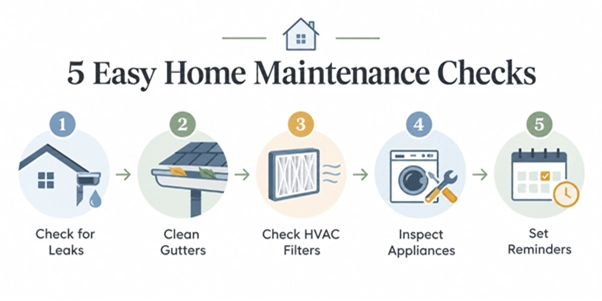
- Look under sinks, around toilets, and near appliances for leaks or moisture every now and then.
- Check your ceilings and walls for new stains, cracks, or peeling paint.
- Clear leaves from gutters and downspouts.
- Test smoke and carbon monoxide alarms.
- Check your doors and windows for drafts or trouble closing.
Also, you should check your HVAC system each month. Replace the filter when it looks dirty, clear leaves from the outdoor unit, and make sure air flows from each vent.
You can use your phone to make maintenance easier. Set calendar reminders for filter changes, gutter cleaning, alarm tests, and seasonal inspections. You can try out home maintenance apps.
A Few Minutes Can Save You Later
You do not need to spend every weekend working on your house.
Walk through your home once in a while with fresh eyes. Look under your sinks. Check ceilings for stains and open cabinets. Walk around outside after heavy rain. Look at your gutters and downspouts.
You may notice something that has been quietly getting worse for months.
That is the real value of preventive maintenance. It gives you a chance to deal with problems while they are still manageable.




















Comments