>>
Technology>>
Aviation>>
SIA to Buy Sustainable Aviatio...SIA to Buy Sustainable Aviation Fuel Made From Waste Gases at New Singapore Plant
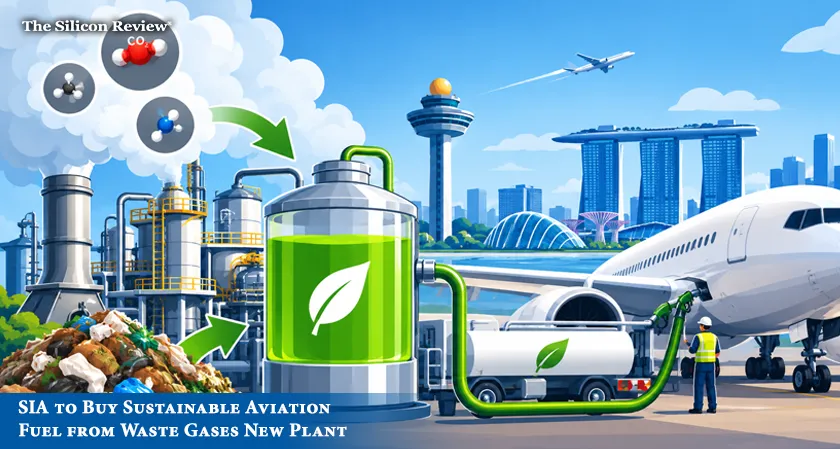
Singapore Airlines has signed a five-year memorandum of understanding to buy sustainable aviation fuel produced from industrial waste gases and biomethane at Aether Fuels' Project Beacon plant on Pulau Bukom, which is scheduled to begin operations in 2028.
News source: Google / https://www.channelnewsasia.com
Singapore Airlines is set to become an early customer of a new generation of sustainable aviation fuel made not from used cooking oil, but from industrial waste gases and biomethane.
The airline signed a five-year memorandum of understanding with Aether Fuels in February 2025 to potentially purchase the fuel once commercial production begins at Project Beacon, a facility being developed on Pulau Bukom in partnership with refining and chemicals company Aster . US carrier JetBlue has signed a similar agreement.
The Project Beacon Plant
Project Beacon is designed to produce up to 50 barrels per day, or approximately 2,000 tonnes of fuel annually, when it is completed in 2028. Construction is scheduled to begin in the second half of 2026, and the facility will employ 24 staff once operational.
The plant will be located at Aster's refining hub on Pulau Bukom, which the company took over from Shell in April 2025. A second, larger facility capable of producing 1,000 barrels per day equivalent to 330,000 tonnes annually is also being planned in parallel.
Why Waste Gases Matter
Most sustainable aviation fuel available today is made through the HEFA process, which uses waste fats, oils, and greases like used cooking oil. That feedstock is limited, and demand for it is already rising across multiple industries. Aether's technology offers a different path.
Aether's process converts industrial waste gases and biomethane into fuel, achieving a lifecycle greenhouse gas reduction of more than 70% compared with conventional jet fuel. The company says its Aurora technology yields 20% more fuel while requiring only half as much investment in equipment compared with producing sustainable fuel using waste oils.
Aether founder and CEO Conor Madigan has argued that the HEFA pathway will not be able to keep up with global demand as blending mandates tighten towards 2030, making waste-carbon feedstocks essential for scaling .
Singapore's Broader SAF Push
The Project Beacon deal aligns with Singapore's ambitions to decarbonize aviation. The Civil Aviation Authority of Singapore has announced that from October 2026, passengers and cargo on departing flights will be subject to a levy to fund sustainable aviation fuel purchases, with a target of 1% SAF use at Changi and Seletar airports. That target is set to rise to 3-5% by 2030.
Singapore Airlines Group has set its own goal of replacing 5% of total jet fuel consumption with SAF by 2030. The airline has already purchased SAF from Finnish company Neste, which operates the world's largest SAF production facility in Singapore.
Here is the question The Silicon Review raises. Singapore Airlines is committing to buy fuel from a plant that has not yet been built, using a technology that has not yet been proven at commercial scale, from a feedstock that has never been used for aviation fuel in the region. When an airline bets its decarbonisation targets on a first-of-a-kind facility, is that leadership or a gamble that the fuel will actually arrive?
FAQ:
Q: What is the deal between Singapore Airlines and Aether Fuels?
A: SIA signed a five-year memorandum of understanding to potentially purchase sustainable aviation fuel from Aether Fuels' Project Beacon plant when commercial production begins.
Q: Where is the Project Beacon plant located?
A: The plant will be built at Aster's refining hub on Pulau Bukom in Singapore.
Q: When will the plant begin producing sustainable aviation fuel?
A: Project Beacon is scheduled to begin operations in 2028, with construction starting in the second half of 2026.
Q: How is this fuel different from most sustainable aviation fuel?
A: Most SAF uses waste oils and fats through the HEFA process. Aether's fuel uses industrial waste gases and biomethane, achieving a lifecycle greenhouse gas reduction of more than 70%.
Q: How much fuel will the plant produce?
A: The initial facility will produce up to 50 barrels per day or approximately 2,000 tonnes annually. A larger plant producing 330,000 tonnes annually is also planned.
Q: Is Singapore Airlines the only customer?
A: No. JetBlue has also signed a non-binding agreement with Aether Fuels to potentially purchase fuel when production begins.













Comments