>>
Industry>>
Automobile>>
City E-Bike or Trekking E-Bike...City E-Bike or Trekking E-Bike? Choose for the Route, Not the Label
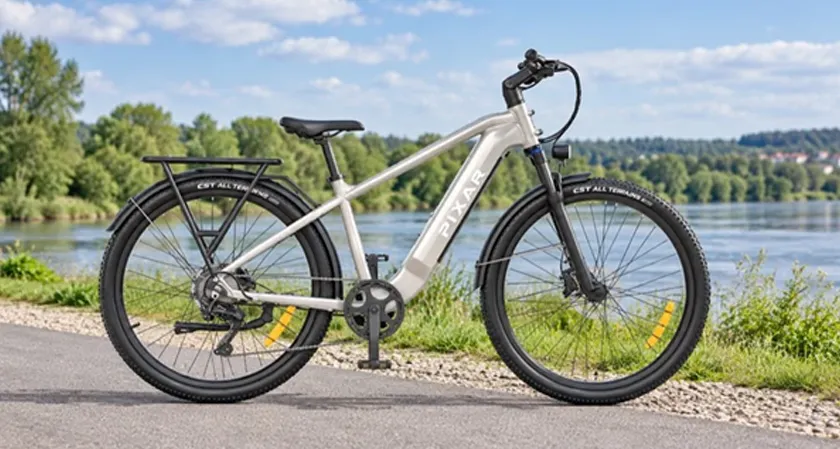
A bike category can narrow a search, but it cannot tell you how a bicycle will feel on your streets. A city e-bike may be the sensible choice for short urban trips, while a trekking model may suit a route that mixes pavement with longer rides beyond town. Yet the labels are only a starting point. Surface, storage, carrying needs and the way you want the bike to respond matter more than the name on the product page.
Before comparing details, write down the journeys you expect to make in a typical week. Then compare a few realistic models in the E-bike collection rather than browsing every option with no route in mind. If most rides involve commuting, errands and paved cycle paths, a city ebike is a useful category to examine first. The next step is to check whether its equipment matches your actual conditions.
Start with the surface beneath your wheels
“Mostly urban” does not always mean perfectly smooth asphalt. German riders may encounter paving stones, patched streets, tram tracks, cycle paths, compacted park paths and the occasional gravel connection. A route that is comfortable on a wide tyre may feel tiring on a narrower setup, but tyres are only one part of the bike’s behaviour.
When your route stays mainly on paved streets
For a daily trip through town, consider how often you stop, how tightly you need to turn and whether you can keep a steady pace around other traffic. A relaxed riding position and controls that are easy to reach can matter more than equipment designed for occasional rough ground. If your commute includes a train connection, a narrow hallway or stairs, the bike’s dimensions and weight outside the ride deserve the same attention.
Check the full specification rather than assuming that every city model comes with the same practical features. Look for the equipment you need for your routine, such as lights, mudguards, a stand, and a rack or compatible luggage solution. Confirm whether those items are included on the exact configuration you are considering. A photograph may show accessories that are optional or sold separately.
When the route leaves smooth pavement
A trekking e-bike can be a better fit when your week includes longer rides, varied surfaces or regular detours onto maintained gravel. That does not mean every trekking bike is automatically more comfortable or capable on every path. Tyre width and tread, wheel size, suspension, gearing and the rider’s fit all influence how it behaves. A front suspension fork may soften repeated bumps, but it adds components that need appropriate setup and maintenance.
Think about how rough the surface really is. Packed gravel and a maintained forest road are different from a rocky trail. A bicycle marketed for touring is not necessarily designed for technical off-road riding. Check the intended use and manufacturer guidance, then match it to the paths you are permitted and prepared to ride.
Compare the ride, not just the category
Two bikes with similar-looking frames can feel different once you start, climb, turn or brake. If a test ride is available, take both models over a short section that resembles your normal route. Notice whether the bike accelerates smoothly from a junction, tracks predictably through a turn, and feels manageable when you walk it beside you. Try the brakes at a safe speed and check whether the controls fit your hands.
A useful comparison also includes the bike’s fit. Stand-over clearance, reach to the handlebar, saddle adjustment and ease of mounting affect everyday confidence. Riders sharing a bike should check whether it can be adjusted comfortably for each person. A model that feels fine for ten minutes in a showroom may feel different after a longer ride or with a backpack on.
The equipment should support the journey rather than dictate it. More suspension travel may be useful on rougher paths, but it is not automatically an advantage on smooth streets. A simpler setup can be easier to maintain; a more feature-rich one may be worthwhile if it solves a problem you face every week. Ask the retailer to explain what a component changes in practice, not only what it is called.
Use specifications to answer specific questions
Specifications are most useful when they settle a decision you have already identified. If a route has sustained climbs, compare the gearing and assistance characteristics. If you ride in wet conditions, look at braking equipment, tyres and the maintenance guidance. If you need to carry a laptop or groceries, check rack compatibility and the stated limits for the rack and the whole bicycle separately.
For example, PIXAR lists the C1 as a city model with seven gears, mechanical disc brakes, 27.5-inch tyres and 80 mm of front suspension travel. The Largo is listed as a touring model with nine gears, hydraulic disc brakes, 29-inch tyres and adjustable 120 mm front suspension. Those differences describe two equipment packages; they do not prove that one is the better choice for every rider or that the touring model must be heavier. Check the complete current specification, then consider how each detail relates to your route and maintenance preferences.
Battery capacity is another comparison point, but it should not be treated as a promise of distance. Range varies with assistance level, terrain, rider and luggage weight, temperature, tyre pressure and stopping frequency. Estimate your normal round trip and charging opportunities, then leave a practical margin for detours and colder days. A larger battery may be useful for some routines, but it also affects cost and can affect the bike’s weight.
Include the parts of ownership that happen off the road
The best choice is not only the bike that rides well. Consider where it will be stored, whether you can lift or manoeuvre it, where it can be charged and how easily you can arrange service. Measure the doorway, lift or storage space if necessary. A bicycle that barely fits into a shared basement may become frustrating even if it feels excellent outside.
Ask what routine maintenance the model needs and how replacement parts are sourced. If you are comparing hydraulic and mechanical disc brakes, for instance, ask a local workshop which servicing they provide and what checks the owner should make. Warranty coverage, support response and assembly requirements can also change the ownership experience. Keep the answers specific to the seller and model; broad claims about an entire category are rarely enough.
Luggage deserves a separate check. A rear rack’s rating is not interchangeable with the total load rating of the bicycle. Confirm the exact rack limit, compatible accessories and any restrictions in the manual. If you plan to carry shopping or work equipment, take a representative load on the test ride where possible. Added weight changes handling, especially at low speed and when starting uphill.
Make a decision with a simple route test
A short checklist can keep the comparison grounded:
- List your three most common journeys and the surfaces they use.
- Note the longest regular round trip, steepest section and typical load.
- Check fit, storage dimensions, charging access and included equipment.
- Test ride each shortlisted model on a representative route.
- Compare the exact specifications and service arrangements, not category stereotypes.
Choose the city model if its fit and equipment serve the trips you actually make and its limits are acceptable. Choose the trekking model if its broader setup solves a regular need, such as longer mixed-surface rides, without creating storage or maintenance problems. If both work, comfort, local servicing and the likelihood that you will use the bike every week are sensible tie-breakers.
The useful question is not which label sounds more versatile. It is which bicycle makes your regular journeys practical while still feeling manageable when conditions change. Start with the route, verify the details on the individual bike, and let the category follow from that comparison.













Comments