>>
Industry>>
Supply chain management>>
Heavy Machinery Storage in St....Heavy Machinery Storage in St. Paul: A Guide for Industrial Operations Teams
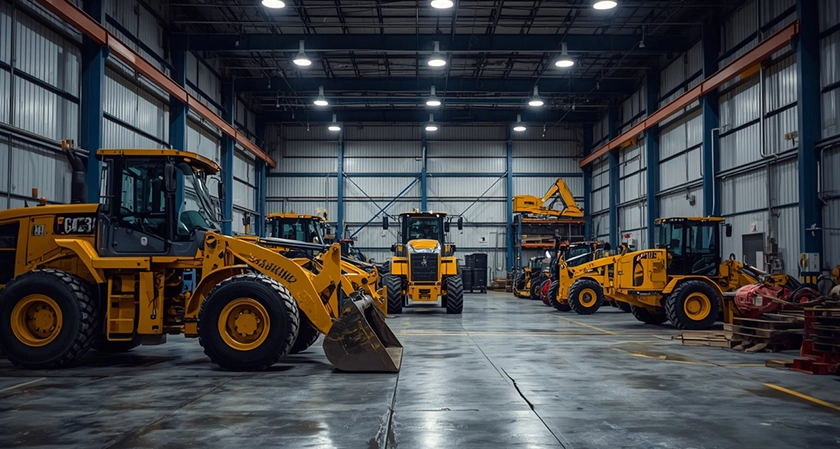
Two forklifts sat under a tarp in a rented parking lot for eleven weeks while a plant manager in Maplewood waited on a building permit. One mast cylinder seized from the freeze thaw cycle. That single mistake cost more than a full year of indoor warehouse space would have. Nobody budgets for the repair that never should have happened.
If you run a plant, a millwright crew, or a service fleet anywhere in the Twin Cities, your storage problem shows up in a specific way. A machine comes off a line, a project stalls, a lease ends, and suddenly a 22,000 pound press brake needs somewhere safe to sit. Not a self storage unit. Not a gravel pad behind the shop. Real capacity with climate control, rigging gear on site, and a gate that closes at night. Finding dependable St. Paul heavy machinery storage comes down to matching the equipment you own to the facility that can actually hold it, and the checklist below covers what that match requires.
Here is what a good storage arrangement should deliver: protection from weather and theft, clear rules about who touches your equipment, and enough flexibility that a two month pause does not turn into a two year contract. Everything else is detail.
What Counts as Heavy Machinery Storage, Exactly?
People use the term loosely. In industrial practice, heavy machinery storage means keeping large, high value assets in a controlled or secured facility while they are not in service. That includes:
- Machine tools such as CNC mills, lathes, and press brakes
- Mechanical systems, pumps, motors, and air handlers pulled during a plant shutdown
- Electrical gear like transformers, switchgear, and panels that cannot get wet
- Oversized or delicate instruments that need climate control
- Construction equipment and finished goods waiting on shipment
Compare that with general self storage or a fenced lot with no monitoring. The difference is not square footage. It is whether anyone on site knows how to move a 40,000 pound casting without cracking it or dropping it, and whether the facility carries the lifting gear to do the job. Ask that question before you ask about price.
Five Things I Would Check Before Signing Anything
I have walked through more than a dozen facilities on this basis, and the order matters. Do the first one regardless of budget.
- Indoor versus outdoor, matched to the asset. Electronics, precision surfaces, and anything with exposed bearings or hydraulic seals belong indoors, ideally temperature controlled. Structural steel and raw stock survive outdoors if the yard is graveled, drained, and gated. Do not pay for climate control on rebar. Do pay for it on a transformer.
- Rigging capacity on site. Ask who lifts your machine and with what. A facility that rents a crane every time you call has a scheduling problem that becomes your problem. Overhead crane capacity, forklift weight class, and whether the crew can move your specific footprint tell you more than the brochure does.
- Access terms. Can you show up at 6 a.m. before first shift and pull a pump off a shelf? Many operations teams need exactly that. Get the receiving hours, the after hours policy, and the notice window in writing.
- Security specifics. Gated yard, controlled entry, camera coverage, and someone physically present are four separate things. A camera that records to a drive nobody reviews is not security.
- Term and rate structure. Month to month beats an annual commitment when your project timeline moves. Ask what overflow parking, cross docking, and pallet racking cost as add ons, because those line items add up quietly.
Indoor Storage and Temperature Control: Who Actually Needs It
This is where I disagree with most cost cutters. If your machine has a control cabinet, a servo drive, a hydraulic power unit, or any surface tolerance measured in thousandths, put it indoors. Condensation alone will rust a machined table over a Minnesota winter, and the failure will not show up until the machine runs again. That delay is the expensive part. Seal leaks on precision equipment also create waste oil handling questions, and it helps to know what the state expects of you before anything drips. The Environmental Protection Agency publishes baseline guidance on managing used oil and industrial waste that is worth skimming once.
Raw material and structural components are a different story. A pallet of lumber or a stack of shingles stored outdoors does not lose value from cold. Keep those outside and spend the savings on climate control for the electronics.
How to Think About Location
Where the warehouse sits changes your labor cost as much as your freight cost. A facility on the east side of the metro keeps you close to the I-94 corridor and the downtown business district, which matters if your crew is pulling parts during a workday. A yard near the railyards cuts drayage time and money when equipment arrives by rail, and cross docking support usually comes with that geography. If your own shop is in Shakopee or Eagan, a centrally placed warehouse can serve both directions without dragging a trailer across the whole metro twice.
One practical note: if you operate as a small business and are weighing fixed warehouse overhead against short term space, run the comparison against your own numbers rather than a rule of thumb. The U.S. Small Business Administration keeps free planning resources that help owners frame fixed costs against variable ones.
Security and Insurance: The Questions Nobody Asks Up Front
Gated access and 24 hour monitoring get advertised heavily, and they matter. What gets skipped in the sales conversation is the paperwork side. Confirm how the facility handles a claim if a panel gets damaged during a lift. Confirm whether their coverage or yours is primary while your equipment sits on their floor. And confirm who is liable for a load during transloading, when it moves from your truck to their dock.
Ask these before the machine arrives. Afterward, everyone is negotiating from a worse position. Small business owners in particular should check the state resources available to them, and Minnesota maintains a state government portal that routes to business licensing and registration information if you need to verify details about a vendor.
A Realistic Scenario
Picture a food processing plant in Fridley going through a two month line upgrade. Six pumps and two air handlers come out on a Tuesday. The contractor needs the floor clear by Friday. The plant does not want to sell equipment it will reinstall in eight weeks, and the loading dock cannot hold it in the meantime. The workable arrangement is indoor racked storage for the pumps, outdoor covered space for the housings, a cross dock slot for the vendor's incoming conveyor, and a call ahead policy so the millwright crew can pull one pump for rebuild without waiting on a truck. Every one of those requirements traces back to the checklist above. Miss the access terms and the whole schedule slips a week.
What to Do This Week
Start with the equipment list. Note weight, footprint, power requirements if it stays energized, and whether anything is moisture sensitive. Then call the facilities on your shortlist and ask the five questions in order. Walk the space in person, since photos hide cracked slabs and tight door clearances. Get the term and the add on rates in writing. If you do all four of those steps, you will pick a facility that protects the asset instead of one that just holds it.
Your machines cost more than the storage ever will. Treat the site visit like the buying decision it is, and the repair bill you avoid will pay for the space several times over. What is sitting in your yard right now that should be inside?













Comments