>>
Industry>>
Transportation>>
How Heavy Vehicles Support Dem...How Heavy Vehicles Support Demanding Industrial Operations
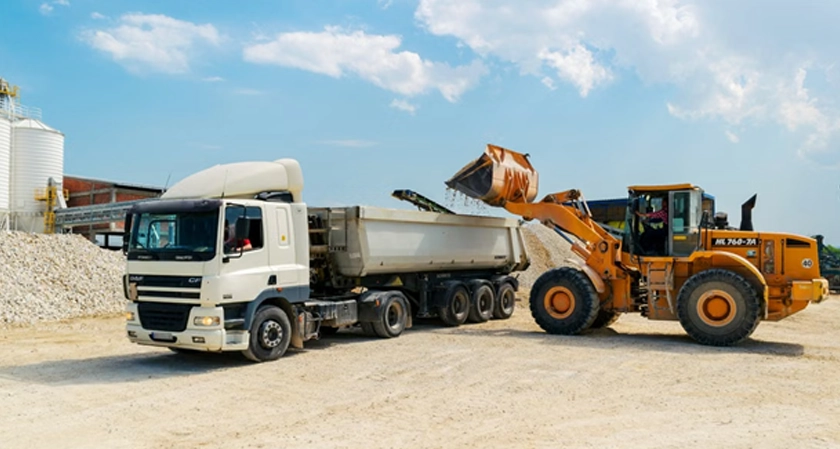
Heavy industrial projects rely heavily on robust machinery to move raw materials, build infrastructure, and maintain day-to-day productivity. Without large freight haulers, excavators, and specialized rig trucks, modern construction and manufacturing would grind to a complete halt.
These powerful vehicles form the backbone of global supply chains, powering key sectors across various industries. Safe and efficient transportation networks depend on high-capacity commercial trucks to handle daily operational demands.
Flexible Fleet Management Strategies
Large industrial projects often face fluctuating schedules that require temporary adjustments to equipment numbers. Smart operations management teams know that whether you need Commercial vehicle rentals in Palo Alto or somewhere else, acquiring short-term machinery helps control capital expenditure without sacrificing site productivity. Flexible fleet additions allow companies to scale up during peak construction windows with minimal downtime.
Purchasing new haulers for short projects drains cash reserves and leaves assets idle during slow periods. Maintaining a flexible inventory of heavy equipment prevents asset depreciation during slow business cycles.
Renting specialty rigs gives project directors access to modern fleet models without committing to long-term financing agreements. Equipment rental agencies take care of major repair costs, routine maintenance checks, and storage logistics for their clients.
Modern fleet management software helps project leads direct machinery where work demands it most. Real-time fleet tracking helps rentable units move efficiently between active job sites. Managing rental timelines strategically reduces operational overhead and improves project profitability.
Heavy Equipment Operations And Industrial Power
High-capacity haulers carry tens of thousands of pounds of raw earth, steel, and rock across rough terrain every single day.\
Engineering advancements in modern drivetrains allow these massive machines to navigate steep slopes and unpaved access roads with high precision. Heavy rigs make high-volume material transit predictable, secure, and highly efficient across remote locations.
Industrial worksites rely on distinct classes of heavy machinery to execute grueling tasks around the clock:
- Dump trucks handle fast bulk dirt removal and haul gravel straight to building foundations.
- Flatbed trailers carry oversized steel beams and pre-assembled concrete structures across regional worksites.
- Specialty crane trucks lift heavy structural parts directly onto elevated framework.
- Fuel tanker trucks supply continuous diesel and alternative energy reserves to remote machinery fleets.
Having the right rig assigned to specific earthmoving or transport tasks optimizes site throughput dramatically. Crew members complete critical structural steps much faster when high-torque haulers handle the heavy hauling. Matching machinery capacity to job site specifications cuts fuel waste and speeds up project timelines.
Prioritizing Safety Around Heavy Machinery
Operating massive transport equipment requires structured safety protocols to protect crew members on site. Construction sites implement clear traffic routes, spotter systems, and physical barriers to manage vehicle movement effectively. Daily mechanical checks help operators catch hydraulic or braking issues long before trucks start rolling onto public roads.
Safety research highlights clear risks associated with large machinery movements in crowded industrial environments. Occupational safety experts report significant hazards for crew members working near operating machinery from equipment movement during active operations. Rigorous safety training programs teach operators vehicle limits and clear blind zone boundaries.
Site managers set up dedicated pedestrian zones and mandate high-visibility gear to mitigate severe operational hazards. Installing proximity sensors and rear-view cameras gives drivers better situational awareness in tight spaces. Active safety protocols protect site personnel and prevent costly project delays caused by accidents.
The Push Toward Fleet Electrification
Industrial transport systems are shifting toward cleaner power solutions to lower carbon outputs. Fleet owners explore alternative fuels and electric drive systems to power heavy hauling rigs over long distances. Technical studies show that decarbonizing global transportation requires cleaner engines and electrifying 29% to 81% of heavy-duty fleets by 2050.
Battery technology continues to improve to meet the massive torque demands of commercial hauling. Heavy electric trucks now offer impressive range and rapid charging capabilities tailored for demanding industrial duty cycles. Fleet managers evaluate battery weight against total payload capacity to maintain hauling efficiency on long routes.
Charging infrastructure upgrades on industrial grounds allow fleet managers to recharge heavy vehicles during off-peak hours. Reduced tailpipe emissions help industrial yards meet local clean air goals and cut long-term fuel expenditure. Transitioning toward electric heavy transport creates cleaner working conditions for machine operators and ground crews.
Regulatory Mandates And Zero Emission Standards
Government agencies enforce strict environmental guidelines to reduce air pollution from commercial transport lines. Industry reports indicate that transitioning to zero-emission trucks requires setting stringent emission standards and sales mandates. Fleet operators adjust purchasing schedules to remain fully compliant with these evolving regional policies.
Adapting to clean-vehicle legislation takes strategic planning and capital allocation over multi-year cycles. Fleet operators track regulations to secure tax incentives for green technology upgrades:
- Regional government grants offset initial purchase costs for electric heavy trucks.
- Low-emission zones mandate clean vehicle access for urban industrial sites.
- Federal tax credits lower total ownership expenses for zero-emission commercial fleets.
- Local rebates support charging station installation across commercial distribution hubs.
Early adoption of low-emission vehicles protects logistics networks from sudden regulatory penalties. Proactive fleet updates build long-term resilience against shifting environmental laws across global markets. Staying ahead of clean fleet mandates allows businesses to maintain smooth logistics operations uninterrupted.
Maximizing Operational Efficiency On Site
Advanced telematics systems track vehicle diagnostics, fuel consumption, and driver routes in real time. Fleet dispatchers monitor machine performance data to schedule preventive maintenance before breakdowns happen. Smart asset tracking minimizes unexpected equipment downtime across sprawling construction grounds.
Trained operators optimize fuel usage by avoiding engine idling during long load-in periods. Smooth acceleration and steady driving speeds reduce unnecessary wear on heavy-duty transmissions and tires. Specialized driver training programs cultivate habits that cut operational costs across entire vehicle fleets.
Structured maintenance schedules extend the operational lifespan of high-value machinery significantly. Replacing worn components systematically prevents sudden mechanical failures during critical project phases. Streamlined fleet workflows lower total operating costs and raise project completion speeds across all sectors.
Heavy vehicles remain fundamental assets for modern industrial operations across the world. From high-capacity haulers moving massive materials to flexible vehicle fleets adapting to sudden project demands, these powerful machines keep commerce moving forward safely.
As clean energy technology advances and regulatory frameworks evolve, commercial fleets will continue adapting to deliver reliable, efficient power for complex projects everywhere.













Comments