>>
Technology>>
E commerce>>
Digital entrepreneurs are disc...Digital entrepreneurs are discovering that physical operational infrastructure accelerates digital scale
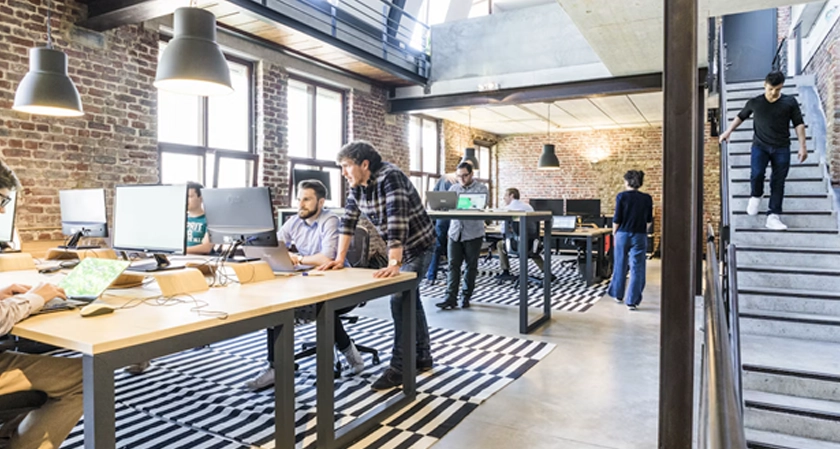
Examine how digital entrepreneurs and scaling founders integrate physical operational infrastructure and agile environments to support sustainable business growth.
When you build a digital company, software stacks and remote chat tools carry your vision through the early milestones. You hire specialists across different postal codes, pitch investors through video calls, and coordinate product sprints from a home desk. At a certain threshold of commercial traction, distributed communication begins showing distinct friction points that digital tools alone cannot fix.
Scaling an enterprise demands clear operational alignment, smooth team onboarding, and spaces that project credibility to external partners. Integrating a physical operations hub into your virtual model bridges these gaps and unlocks your next phase of commercial expansion.
Image source: https://unsplash.com/photos/man-standing-beside-another-sitting-man-using-computer-l90zRbWvCoE
Why Does Virtual Isolation Stall Digital Momentum?
Cloud tools help you launch with lean budgets, but they introduce subtle coordination fatigue as headcounts expand. Your core staff spends excessive hours deciphering text threads or sitting through status calls instead of building product momentum. Misunderstandings creep into strategic sprints, and training new hires through screen sharing often dilutes company culture.
Complex problem-solving and rapid product iteration happen much faster when team members gather in the same room. Whiteboarding an architectural overhaul or aligning your sales pitch around a conference table creates an immediacy that video calls struggle to match. Physical proximity turns vague conceptual debates into concrete project deliverables.
How Do You Bridge Cloud Systems with Physical Hubs?
Bridging software systems with shared spaces gives your digital workforce a central place to unify their efforts. For businesses in England’s West Midlands region, choosing an adaptable coworking rental in Birmingham provides distributed teams with quiet focus pods, reliable connectivity, and professional meeting suites without commercial lease lock-ins. You retain the operational agility of a remote team while gaining the physical stability of an established enterprise.
This hybrid model removes the daily friction of remote work. Team leaders can schedule regular departmental workshops, client presentations, or technical hackathons without renting ad-hoc hotel spaces. Your organization maintains its nimble virtual footprint while offering team members a structured base to collaborate.
What Does Modern Collaboration Demand from Shared Spaces?
Modern enterprises rarely need rows of assigned desks that sit empty during remote work cycles. Instead, growing teams require dedicated breakout zones, soundproof phone rooms, and versatile project areas designed around specific collective tasks.
Data published by commercial real estate services firm CBRE reveals that corporate occupiers increased their allocation of shared collaborative spaces, such as meeting suites and project rooms, by 35% to support purposeful in-person interaction. When you choose an environment tailored for collective workshops rather than static seating, every in-person working day delivers higher team output.
Spotting the Operational Strain in Your Expanding Venture
Founders often wait too long to evaluate their physical operational requirements, mistaking operational bottlenecks for software deficiencies. You might notice project velocity dropping even after you purchase more project management subscriptions. That slowdown signals that your leadership layer needs dedicated space to untangle complex operational dependencies.
Client perception shifts as contract values expand. High-tier enterprise buyers frequently expect on-site security reviews, confidential meeting rooms, and face-to-face sessions before signing major service agreements. Providing a polished, professional environment demonstrates operational maturity and gives corporate partners confidence in your capacity to deliver.
How Hybrid Flexibility Safeguards Runway During Growth
Maintaining strict control over burn rates remains your highest priority while scaling operations. Committing to a five-year traditional office lease ties up capital in security deposits, fit-out costs, and facility management expenses that do not generate revenue.
Reporting from Inc. magazine points out that shared commercial facilities gained traction because companies embraced hybrid work schedules to cut unnecessary office overhead while maintaining central gathering points. By utilizing flexible real estate, you convert fixed property overhead into an adjustable operational cost that adjusts to your hiring roadmap.
Selecting an Agile Hub That Expands with Your Team
Finding the right physical environment requires matching workspace capabilities to your team workflow and commercial growth targets. You need a setup that accommodates your immediate operational rhythm without restricting your future headcount plans.
Consider these practical elements when choosing your next operational home:
- Assess core transportation links: Select properties near major transit hubs so commuting team members and visiting corporate clients can reach your offices without travel headaches.
- Audit technical data infrastructure: Verify that the facility provides enterprise-grade internet speeds, backup power sources, and private teleconference booths for confidential discussions.
- Review flexible membership tiers: Confirm that the location provides spaces suitable for ventures at every stage of development, allowing you to add desks or private suites seamlessly.
- Check dedicated administrative support: Pick workspaces with front-desk reception, mail handling, and curated communal zones, allowing your staff to focus purely on strategic execution.
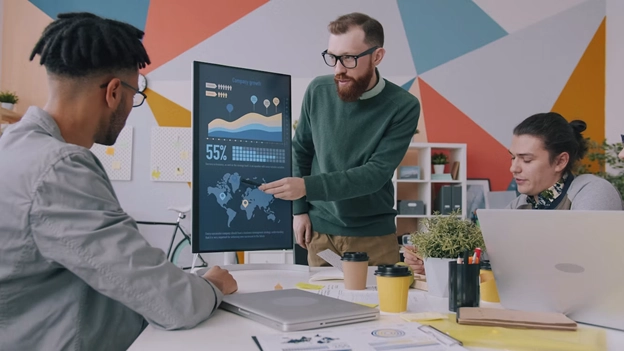
Aligning your digital workflows with an adaptable physical infrastructure removes the operational friction that stalls ambitious founders. Moving beyond pure remote isolation gives your people the collaboration hubs they need to execute at scale, while keeping your capital focused on market expansion.













Comments