>>
Technology>>
Artificial intelligence>>
How Seedance 3.0 Could Shape a...How Seedance 3.0 Could Shape a Startup's Desk-Device Demo
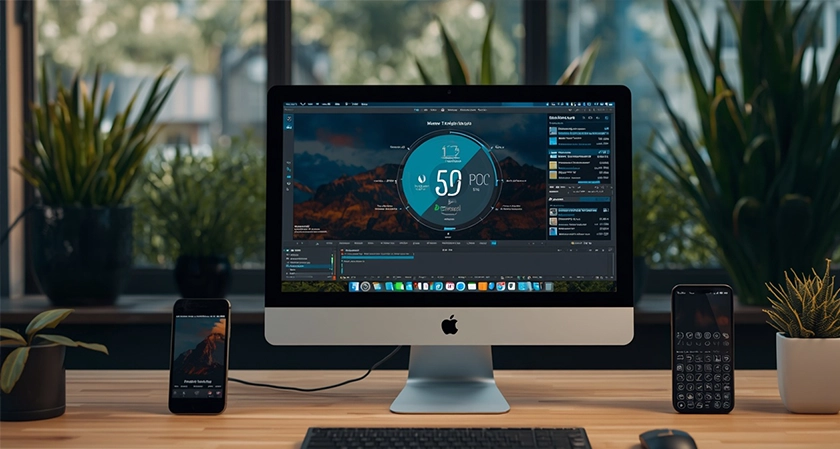
A small light on a desk changes color while the room behind it slowly darkens. The object is simple: an imagined focus timer with a round dial and a warm illuminated ring. I would use that transition as the opening of a startup product concept film. It gives viewers a recognizable situation before asking them to understand a feature.
The example is hypothetical. There is no claim that an existing company has launched this device or achieved a particular result with it. My task would be to turn a few approved product images into a short visual explanation suitable for an early presentation. Seedance 3.0 would help explore how the object, light, and camera might move together, while accurate product information would remain the team's responsibility.
Decide what the device needs to communicate
I would resist opening with a floating object against a background of glowing data. The timer belongs on a desk, beside the things a person actually uses. A notebook, a closed laptop, and a cup would give it scale. The film's central idea would be a transition from preparing to work into a period of concentration.
That means the product needs to appear before the setting becomes too interesting. My first composition would put the timer in the lower middle of the frame, with its dial facing the camera. The notebook would sit slightly behind it, and the room would fall out of focus. Viewers should be able to explain what they saw after a single glance.
I would write a short brief describing the intended behavior, marking any unbuilt functions as conceptual. The light might represent a work interval, for example, but I would not show automatic health monitoring, productivity scoring, or environmental sensing unless those features were part of the actual specification. A beautiful film can still mislead if its visual story invents capabilities.
Prepare a small, coherent reference set
The most useful materials would be an approved front view, a three-quarter view, and a close view of the dial. They would share the same casing color, proportions, and surface finish. If those images disagree, the generated motion could expose the inconsistency instead of resolving it. I would settle the product's appearance before experimenting with the camera.
Seedance 3.0 accepts text direction alongside image, video, and audio references. I would use the images to define the device and a separate room reference to establish the lighting. A movement reference could suggest the speed of a gentle push toward the dial, but it would not need to depict the same product. The prompt would explain that division of roles.
I would avoid feeding the system a crowded mood board containing several competing design directions. A brushed metal cylinder and a matte plastic sphere may each look appealing, but together they do not describe one object. For a startup presentation, recognizable continuity matters more than showing the widest possible range of styles.
Build an opening around light and scale
My first shot brief would specify a tabletop view in soft afternoon light, a matte round timer beside a notebook, and a slow camera move toward the front dial. The illuminated ring would brighten gently as the room becomes slightly less prominent. The casing would remain still. No hands, moving text, or extra objects would enter the frame.
This limited action would give me a useful baseline. With Seedance 3.0, I would check the available settings for the chosen model and mode before deciding on duration or resolution. The goal would be enough time to recognize the shape and notice the light, rather than filling the longest available clip with motion.
The sound could begin with a quiet room tone and a restrained mechanical click. I would avoid a dramatic electronic flourish unless it matched the intended brand character. A desk device that is supposed to feel calm should not sound like a spaceship starting its engines. The sound direction needs to support the product's purpose.
Introduce a human action only when it adds meaning
For the second Seedance 3.0 shot, I would show an adult hand turning the dial once. The camera would stay close enough to make the action legible, but not so close that an imperfect fingertip dominates the image. If the device has not been engineered yet, the shot would be labeled internally as a concept rather than used to demonstrate confirmed ergonomics.
A likely problem is that the dial or hand may change shape during the movement. I would first reduce the amount of rotation and remove any simultaneous camera orbit. If that does not work, I would cut between a hand approaching the timer and a separate view of the illuminated ring. The audience can understand activation without seeing a complicated continuous gesture.
At that point, Seedance 3.0 would be serving as a way to develop a usable visual sequence, with each generation judged against the same reference images. I would compare the location of the dial, the ring's thickness, and the casing silhouette. A pleasing new shape is still the wrong shape if it no longer resembles the approved design.
Separate the generated scene from the interface explanation
The third Seedance 3.0 shot would create space for a simple explanation of the timer's intended interaction. I would hold the device on one side of the frame and reserve the other for text added in a conventional editor. This is where the team could describe a confirmed setting or a clearly marked proposed function in exact language.
I would not rely on generated lettering for a product name, a duration value, or a technical specification. Those details need to remain stable across versions. Clean graphics can be placed over the footage after generation, making it easier to revise the wording without rebuilding the whole scene.
The distinction also helps when the design changes. If the hardware team adjusts an interval or renames a mode, the editor can update the caption. If the casing changes, however, the reference images and affected shots need to be revisited. Treating those as different kinds of revision keeps the film connected to the product it is meant to explain.
Plan the variants before spending on them
I would decide early whether the presentation needs a wide screen version, a vertical social clip, or both. The same close view may not suit both formats. In the vertical version, I would keep the dial near the center and place captions above it. In the wide version, the room could carry more atmosphere without crowding the object.
Before commissioning several Seedance 3.0 variations, I would consult Seedance 3.0 Pricing and the generation screen's displayed credit cost. The practical question is how many draft attempts the project can support, including revisions. I would set aside room for correcting the key interaction instead of spending the entire allowance on alternative backgrounds.
End with a clear product impression
The final shot would return to the still timer beside the notebook, with the light steady and the room quiet. A short title could identify the concept and its intended role. I would keep unsupported performance claims out of the closing frame. The viewer should remember the object's purpose, not a number the team cannot substantiate.
My final review would run the complete sequence at presentation size and on a phone. I would check continuity, caption timing, audio balance, and whether the activation moment is understandable without narration. The finished film would give a startup something concrete to discuss: a device in a recognizable setting, performing one intelligible action. That is a more useful starting point for feedback than a collection of unrelated cinematic shots.



















Comments