>>
Industry>>
Automobile>>
How to Choose a Foldable Elect...How to Choose a Foldable Electric Bike
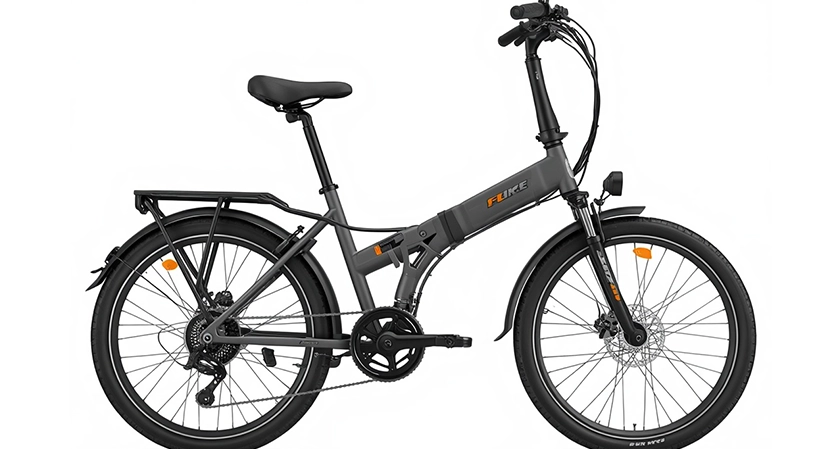
A folding frame can solve a storage problem, but it does not automatically make an electric bike easy to carry or pleasant to ride. The useful question is not simply whether the bike folds. It is whether the complete bike fits the rider, the route, and the exact place where it will be stored.
That distinction matters when comparing ebikes. A compact hinge is only one part of the design. Weight, wheel size, tire width, brakes, battery placement, frame access, and the folding routine all affect how the bike works after the novelty of folding it has worn off.

A folding ebike can reduce the space needed for vehicle transport. Image source: JasionBike.
Measure the Space Before Comparing Features
Start with the storage or transport problem the bike needs to solve. Measure the width and height of a closet opening, the usable floor area in an apartment, or the narrowest part of a car trunk. Include the cargo opening, not just the space behind it. A bike can fit inside a vehicle and still be impossible to load through the hatch at a comfortable angle.
Leave room for pedals, cables, handlebars, and anything that stays attached. A rear rack or basket may add useful carrying capacity on the road while making the folded package harder to position. If storage is shared with boxes, tools, or other bikes, decide how the folded bike will stand without resting on the display or control cables.
Use the manufacturer's folded dimensions as a starting point, then add a practical margin. A foldable electric bike that barely matches the available measurements can become frustrating once a lock, bag, or rack enters the picture.
Folded Size and Weight Answer Different Questions
Folded size tells you where a bike may fit. Complete weight tells you how difficult it may be to move. Those numbers should never be treated as substitutes for each other.
A motor, battery, suspension, wide tires, and cargo hardware still have mass after the frame is folded. Think through the entire path between storage and the street. Does the bike need to cross a doorway threshold, turn on a landing, or go up two flights of stairs? Loading a heavier folder a few inches into an SUV is different from carrying it to a third-floor apartment every evening.
Also look for a safe place to hold the bike. A balanced lifting point near the frame is easier to manage than grabbing a rack, cable, or folding mechanism. If the battery is removable, check whether taking it out makes the lift meaningfully easier and whether the bike remains stable without it.
Check the Folding Hardware
The hinge and latch should be easy to inspect when the bike is open. Riders need to see that the frame joint is fully seated and that its safety mechanism is engaged. The handlebar stem, pedals, and seatpost may also move during folding, so the routine involves more than one release lever.
Watch the complete folding sequence for the exact model. Note whether a rack bag must come off, whether the handlebars rotate, and whether any cables sit close to the joint. A fast fold is useful, but a repeatable fold matters more. The controls and cables should return to the same safe position each time.
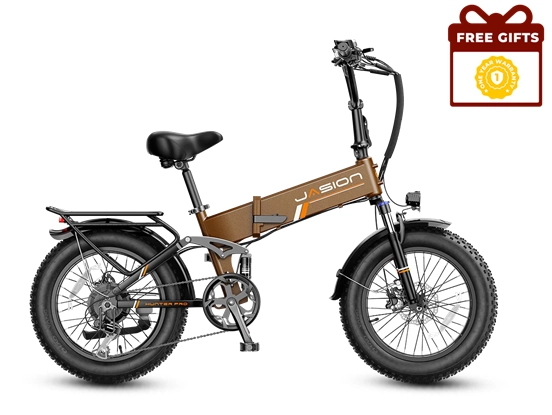
The Jasion Hunter Pro is one current example of how folding hardware can coexist with fat tires, full suspension, and a rear rack. Those features suit a different job from a lightweight urban folder, and they also help explain why buyers must compare the complete machine rather than the hinge alone.
The Hunter Pro combines a folding frame with fat tires, suspension, and a rear rack. Image source: JasionBike.
Match the Wheels and Tires to the Route
Smaller wheels help shorten a bike's stored length and can make steering feel quick at lower speeds. Tire width and pressure then shape how the bike handles cracks, gravel, and rough pavement.
Wide tires add air volume and may soften broken surfaces, but they also increase the width and weight of the folded package. They are useful when the route includes rough streets or packed paths. A rider using smooth bike lanes and carrying the bike more often may prefer a narrower, lighter setup.
Suspension follows the same tradeoff. It can improve control and comfort on uneven ground, yet it adds parts and weight. Choose it for a surface you actually ride rather than for a specification list that looks impressive online.
Size the Battery for Real Use
Battery capacity should cover the normal round trip with a margin. Advertised maximum range can help compare models, but assistance level, speed, hills, stops, wind, temperature, tire pressure, and rider load all change real energy use.
Estimate the miles ridden on a typical day, then consider the conditions that make that day harder. A short hilly route with frequent stops can demand more energy than a longer flat path. Riders who cannot charge at work should plan around the full return trip rather than the one-way distance.
Battery location affects folding and handling too. Check whether the battery stays locked in place when the frame moves, whether it must be removed before loading, and where it can be charged safely. Use the charger specified for the model, and follow the manufacturer's guidance for storage and charging.
Choose Brakes for the Load and Terrain
A folding ebike may carry the rider, a lock, work equipment, groceries, and a rack bag. Brakes need to manage that total load on the actual route. Long descents, repeated stop-and-go riding, and higher speeds place different demands on a system than a flat neighborhood trip.
Hydraulic disc brakes generally require less hand force and compensate for pad wear as the system operates. Mechanical disc brakes can be easier for some owners to adjust with basic tools. Either type still depends on proper setup, clean rotors, adequate pad material, and regular inspection.
After transporting or unfolding the bike, squeeze both brake levers before riding. Confirm that each wheel stops as expected and that no cable or hose has been trapped near a hinge.
Confirm Rider Fit Before Buying
Compact does not mean one size fits everyone. Compare the manufacturer's rider-height guidance with saddle adjustment, handlebar position, reach, and the height of the frame. A step-through design can reduce the height a rider needs to clear when mounting, while a step-over frame may feel more familiar to riders used to a traditional bike shape.
Check how the bike feels in its normal riding position, not only how small it becomes in storage. The rider should be able to reach the brakes and controls without stretching or changing grip. The display should remain visible, and the knees should clear the handlebar through ordinary turns.
Plan the Routine After Every Fold
Folding adds a short setup procedure before the ride. Build that procedure into the ownership decision. Can the bike be opened without placing loose parts on the ground? Does a bag have to come off first? Is there enough light in the storage area to inspect the latches?
Before riding, confirm that the frame and handlebar latches are locked, the seatpost is secure, the battery is seated, both brakes work, and no cable has been pinched. Follow the model manual for the exact order and adjustment points. If the bike travels in a vehicle, check it again after unloading because straps and other cargo can press against controls or cables.
Choose Around the Recurring Problem
A folding ebike earns its place when a smaller stored footprint solves a problem that occurs often. The right model should fit the measured space, remain manageable along the full carrying path, suit the rider, and handle the route without forcing unwanted compromises.
Measure first and compare the complete bike second. The hinge matters, but the daily decision comes down to everything around it: the lift, the doorway, the road surface, the battery margin, the braking load, and the few checks required before every ride.




















Comments