>>
Industry>>
Travel and hospitality>>
How to Plan an Unforgettable M...How to Plan an Unforgettable Murder Mystery Dinner Train in Florida
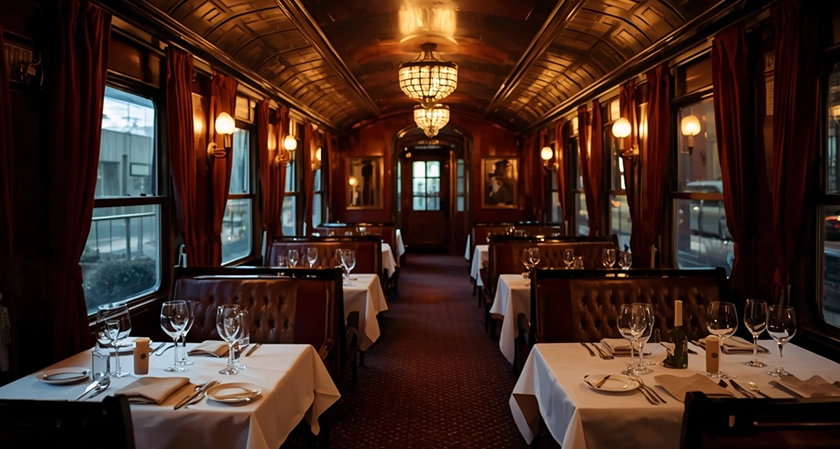
Most dinner shows hand you a plate and a stranger in a costume, and you spend two hours checking your phone under the table. A murder mystery dinner train in Florida runs on a different engine entirely. You book a seat, the train pulls out, the lights stay low, and somewhere between the appetizer and the dessert course a crime gets committed, and you're part of the cast whether you planned on it or not.
If you've never done one, the planning side is where people stumble. They pick the wrong night, show up expecting a Broadway production, or book a table for two when the whole thing lands better with four. Fix those three things and you're set. A quick look at the Murder Mystery Dinner Train in Florida schedule tells you what's running and when, which matters because the theme changes with the calendar.
Here's how to plan it so the night actually delivers.
Pick Your Night Based on the Show, Not the Discount
Dinner trains rarely run seven nights a week. In southwest Florida the standard run leans toward Wednesday through Sunday, often with a 6:30 evening departure and an earlier Sunday seating that lets families finish before it gets too late. That rhythm isn't random. Railroads and tourist lines have scheduled around daylight and demand for over a century, a habit that traces back to how early American rail service standardized its timetables, a story the Smithsonian Institution documents across its transportation collections.
What you want to watch is the theme rotation. A standard mystery runs most weeks, but holiday season brings a different production, and Halloween tends to get something spookier. If you're planning around a birthday or an anniversary, book the theme your group will actually enjoy rather than the first open date on the calendar.
My honest take: skip opening night of a new theme. Give the cast a week to settle into the material. You'll get a tighter show and fewer first-run hiccups.
Who Should Sit at Your Table
Here's the part that catches first-timers off guard. This isn't passive theater. Actors work the car, and guests get pulled into interrogations, side conversations, and the occasional accusation. Two people at a table for two can end up isolated while the tables of six are having the time of their lives.
Book in a group of four or more when you can. Not because the show requires it, but because the fun is social and the mystery rewards people who talk.
- Couples nights: two couples, one table, shared theories over dessert.
- Family outings: teens tend to love it, younger kids less so, and the humor skews adult in places.
- Work groups: it's a genuinely good team event because nobody can hide behind small talk for three hours.
If you're going solo, and plenty of people do, say so when you book. Staff usually seat solo guests together, and that's honestly the best seat in the house.
What the Night Actually Looks Like
Boarding usually starts a half hour before departure. You get a table assignment, a menu, and a program. Then the train rolls, the courses come out in sequence, and the actors weave between tables. Dinner service and the story are timed to each other, which is the whole trick of the format.
Expect roughly three hours door to door. Expect a fixed menu rather than a la carte, with a couple of choices per course. Expect to be standing on a moving train at least once, so skip the stilettos and pick shoes you trust.
Trains solved a specific problem for nineteenth century travelers: how to cover serious distance while still eating and sleeping like a person. Dinner trains flipped that idea into pure entertainment.
The mystery itself usually wraps before the train returns to the station, and the culprit gets revealed while coffee is still warm. You get your answer in the same sitting, which is a nice change from a book you never finish.
Booking Checklist Before You Commit
Work through this before you hand over a card. It takes five minutes and saves a wasted evening.
- Check the theme against your date. Standard mysteries, holiday shows, and Halloween runs aren't interchangeable.
- Confirm the departure time. Sunday sailings often leave earlier than weekday ones.
- Book early for holidays. Thanksgiving and late December fill up first, and the good seating goes with it.
- Note dietary needs at reservation. Kitchens on a train can't improvise the way a restaurant can. Give them notice.
- Plan the drive. These trains leave from working stations, not downtown storefronts, and parking is usually free but not infinite.
- Arrive 45 minutes early. Boarding windows are tight, and the train does not wait for anyone.
One more thing: gift certificates are a common purchase for these trains, and they make a genuinely good present for a couple who already owns everything. Pair it with a hotel night nearby and you've built a weekend out of it.
How to Play the Mystery Without Ruining It
Some people treat it like a puzzle to solve and spend the whole meal scribbling notes. That's fine. Some people treat it like dinner with a show happening nearby. Also fine. The format handles both.
My rule: engage early. Answer the actor who talks to you, ask one question, and you're in. The people who have the worst time are the ones who refuse eye contact, and you can spot them at dessert.
If you're the type who likes watching how travel experiences get built around a theme, the rail side of this is worth a read on its own. The National Park Service maintains historical material on how American rail corridors shaped the towns and tourism routes around them, and once you know that history, a themed dinner train reads less like a gimmick and more like a smart reuse of infrastructure that already exists.
What You'll Pay and Whether It's Worth It
Budget in the same range as a nice steakhouse dinner per person, and often a bit more once drinks and gratuity land. That sounds steep for one meal. It isn't steep for a three hour evening that includes dinner, live performance, and a moving venue you can't replicate anywhere else.
Cost per hour, it beats most concerts. Cost per story you'll retell, it's not close.
Compare it to a standard dinner theater and the train wins on atmosphere. Compare it to a straight upscale restaurant and the restaurant wins on food, which is the honest tradeoff. You're paying for the experience first, the plate second.
Weather, Season, and Timing
Florida travel planning has one real wildcard, and locals know it. Summer runs are hot before boarding, so dress lighter than you think for the pre-departure wait and bring a layer for the air conditioning once you're seated. Winter and spring are the sweet spot, mild enough that the station wait is pleasant and the holiday themes land right.
Book holiday weekends at least a month out, especially late November through December. Those dates go first, every year, without exception.
Frequently Asked
Is it appropriate for kids?
Older kids and teens generally enjoy it. Very young children usually lose interest once the novelty of the moving train fades.
Can large groups book together?
Yes, and group bookings often get their own car. Call rather than booking online if you're bringing more than ten people.
What if I solve it wrong?
Nothing happens. There's no prize ceremony and no shame. The reveal is the payoff, not a scoreboard.
Before You Board
The whole night comes down to three decisions: the right theme for your date, a table with people who'll actually talk, and showing up early enough to enjoy the station instead of sprinting through it. Get those right and the mystery takes care of itself.
So the real question isn't whether the show is good. It's who you're bringing, and whether they'd rather sit quietly at a restaurant or spend three hours on a moving train trying to figure out who did it. Pick your people, pick your night, and let the conductor do the rest.













Comments