>>
Industry>>
Retail>>
Rethinking Household Spending:...Rethinking Household Spending: What Buying in Bulk Really Means Today
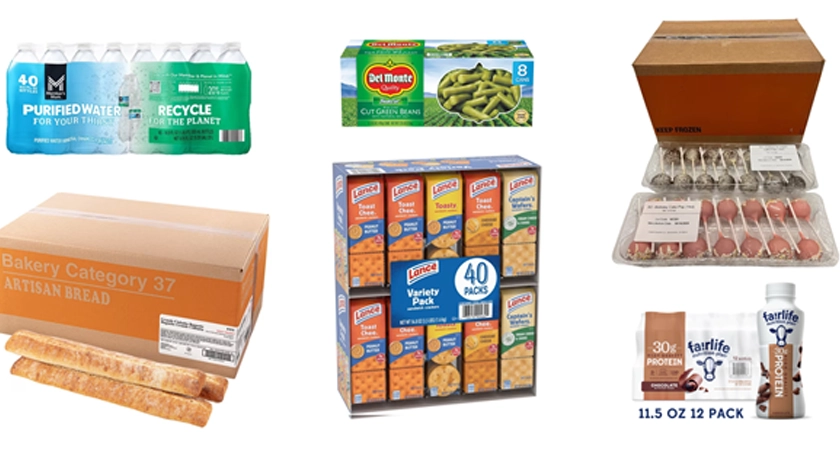
A household budget can look perfectly reasonable at the beginning of the month. There is money set aside for groceries, cleaning supplies, toiletries, and other essentials. Then the weekly shopping trips begin. A few items need replacing, food runs out sooner than expected, and another trip to the supermarket becomes necessary. Before long, small purchases have taken a bigger bite out of the budget than expected.
This is one reason more households are looking at bulk shopping differently. Rather than making frequent trips for individual products, consumers are exploring retailers such as Sam's Club, where larger package sizes, member-exclusive prices, and a broad selection of everyday essentials offer another way to approach household spending.
Buying larger quantities is not necessarily about having more products at home. It can be a way to plan expenses, reduce shopping trips, and make everyday spending more predictable. However, there is also a difference between buying more and actually saving more. Understanding that difference is what makes warehouse retail, particularly the membership model offered by Sam's Club, an interesting part of today's consumer landscape.
The Starting Point: When Everyday Shopping Becomes Expensive
For families and households managing several recurring expenses, grocery shopping involves more decisions than simply choosing what looks affordable. There is the price of each item, how frequently it needs replacing, how much the household consumes, and whether another trip will be necessary before the month ends.
Consider a family that regularly purchases laundry detergent, paper products, cooking ingredients, and snacks. Buying these items individually whenever they run out may seem manageable, but repeated store visits can add transportation costs and encourage unplanned purchases.
Bulk shopping offers another approach. By purchasing frequently used products in larger quantities, households can potentially lower their cost per unit and reduce how often they need to shop. This is one of the reasons shoppers turn to warehouse retailers like Sam's Club, where everyday products are available in larger quantities and members can explore savings across multiple household categories.
Still, the savings depend on actual consumption. A large package of food that eventually expires is not a bargain. Neither is buying something simply because its discounted price makes it difficult to resist. Even when shopping at Sam's Club, understanding household needs and comparing unit prices remain important parts of making informed decisions.
The Discovery: A Different Way to Approach Household Purchases
This is where warehouse retailers have found their place in modern shopping habits. Instead of competing exclusively through individual product prices, they offer members access to larger package sizes, special pricing, and a shopping environment designed around planned purchases.
Sam's Club is a well-known example of this membership-based approach. Through its official website, shoppers can explore groceries, household essentials, electronics, personal care products, furniture, and other merchandise available through its warehouse locations and online shopping channels. This broad selection allows members to consider several household needs in one shopping destination rather than visiting multiple retailers.
What makes the Sam's Club model particularly interesting is the relationship between membership and purchasing behavior. Customers pay an annual fee to access member-only prices and additional benefits. This encourages shoppers to consider their overall spending rather than evaluating each transaction independently.
For frequent shoppers, that arrangement can make sense. Sam's Club offers different membership levels, with its Plus membership providing additional benefits such as 2% Sam's Cash on qualifying purchases, free shipping on eligible orders, and free delivery from participating clubs on qualifying purchases.
These benefits can make a difference for households that regularly purchase groceries and other essentials. However, the important consideration is whether they match a household's actual shopping frequency. A Sam's Club membership should support an existing spending pattern rather than encourage unnecessary purchases just to justify its cost.
What Makes Bulk Buying Worth Considering?
There are several reasons consumers are drawn to warehouse shopping, but the financial advantages deserve a closer look. Sam's Club provides an opportunity to explore these benefits through its membership pricing and selection of bulk household products.
Lower unit prices: Larger packages can offer better value when compared with smaller equivalents. At Sam's Club, shoppers can compare different package sizes and calculate the price per ounce, pound, or individual item to determine whether the difference is meaningful.
More predictable household spending: Keeping frequently used essentials stocked can make monthly planning easier. Households can identify recurring needs and allocate part of their budget to planned bulk purchases. Shopping at Sam's Club can support this approach, particularly for families that regularly purchase the same groceries and household supplies.
Fewer shopping trips: Purchasing several weeks' worth of suitable supplies at once can reduce the time and transportation involved in frequent supermarket visits. With its combination of warehouse shopping and online purchasing options, Sam's Club gives members different ways to organize these larger shopping trips.
Membership rewards: Sam's Club adds another layer through exclusive savings and additional membership benefits. For shoppers who regularly use its services, these rewards can contribute to the overall value of membership.
There are drawbacks worth considering, too. Bulk purchases require adequate storage, particularly for frozen goods and perishable items. They also tie up more money upfront, which may be inconvenient for households working with limited weekly budgets.
I would also recommend comparing Sam's Club prices with those at regular supermarkets before making larger purchases. A promotional offer at a conventional retailer may sometimes be more economical than a warehouse package. The goal should be to identify genuine savings rather than assume that every bulk purchase automatically offers better value.
The Bigger Picture: Spending More Carefully, Not Simply Buying More

The growing interest in bulk shopping reflects a broader change in how consumers approach household finances. People are increasingly looking beyond the price displayed on a shelf and considering the longer-term cost of maintaining their homes.
Retailers like Sam's Club are part of this shift because they give consumers another way to organize recurring purchases. Its combination of member-only pricing, bulk merchandise, and additional shopping benefits makes it relevant to households that prefer planning larger purchases instead of repeatedly replacing individual items.
That does not mean a Sam's Club membership is suitable for every household. Smaller households, people with limited storage, and occasional shoppers may find traditional supermarkets more practical. Meanwhile, larger families and frequent buyers may benefit more from bulk purchasing, particularly when they can consistently use the products they buy.
Questions Readers May Have
Who benefits most from buying in bulk?
Households with predictable consumption patterns, sufficient storage, and recurring purchases are often better positioned to benefit. These shoppers may find a membership with Sam's Club more practical because they can take advantage of larger packages and member-exclusive offers throughout the year.
What should shoppers check before joining a warehouse club?
Consider the annual membership fee, typical spending, available discounts, storage capacity, and whether the benefits will actually be used. When evaluating Sam's Club membership options, shoppers should also consider whether the additional Plus benefits justify the difference in membership cost.
Are there alternatives to warehouse shopping?
Yes. Supermarket promotions, subscription deliveries, online retailers, and carefully planned grocery trips can also help households manage everyday expenses. Comparing these options with the prices and benefits available through Sam's Club can help consumers identify which shopping arrangement makes the most financial sense.
Ultimately, the smartest shopping strategy is not necessarily buying the largest package or finding the biggest discount. It is understanding what a household needs, comparing the real cost, and making purchases that support its budget. For households that regularly use bulk products and can take advantage of membership benefits, Sam's Club offers an alternative worth considering. When approached thoughtfully, warehouse shopping can become a useful financial tool rather than another reason to spend more.













Comments