>>
Industry>>
Real estate>>
What Homeowners Often Overlook...What Homeowners Often Overlook After Buying a Property
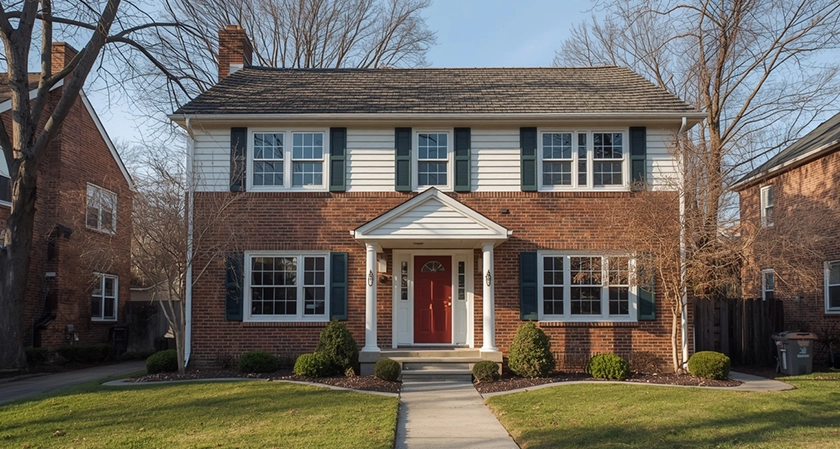
Buying a property can make the closing date feel like the finish line. In reality, it's when a different set of responsibilities begins. Once the paperwork is finished and the boxes arrive, homeowners must think about maintenance, recurring expenses, seasonal changes, and how the space will work in everyday life.
Some of these details are easy to overlook during the excitement of a purchase. Living in the property for a few weeks often reveals needs that were not obvious during a viewing.
The Ongoing Cost of Maintenance
A mortgage is only one part of owning a property. Heating and cooling systems, plumbing, appliances, landscaping, and exterior surfaces all require attention over time.
New homeowners can make the first year easier by creating a basic maintenance schedule. Checking the age of major systems, keeping warranty information together, and noting past repairs can help you spot upcoming expenses before they become urgent.
The Consumer Financial Protection Bureau recommends considering costs such as maintenance, repairs, utilities, insurance, and property taxes when planning for homeownership. Its guidance also points to the importance of having savings available for unexpected expenses. Planning for homeownership costs can therefore be just as important as planning the initial purchase.
Storage Often Becomes a Bigger Issue After Moving In
The amount of storage a property appears to have during a viewing can differ greatly from how much space is available once everyday belongings arrive. This can be especially noticeable in areas such as Lake Oconee, where homes may be used for both everyday living and seasonal recreation. Closets fill up, garages get crowded, and rooms that initially seemed spacious can quickly fill with boxes, furniture, and outdoor gear.
Moving can make this more noticeable. Some belongings may not have an immediate place, particularly when a homeowner is replacing furniture, organizing a garage, or making improvements shortly after moving in. Renovation can create another temporary problem, since furniture and household items often need to be moved out of the work area before a project can begin.
Seasonal use can add another layer to the storage question. Homeowners may have outdoor furniture, recreational gear, or other belongings that are used more heavily during warmer months. Keeping all those items at home isn't always practical, especially when the garage and interior space are already used for everyday needs.
In those situations, storage units near Eatonton, GA can provide additional space without turning a garage, spare bedroom, or living area into long-term storage. The useful distinction is between belongings that need to remain immediately accessible and those that can be stored elsewhere for part of the year. That simple decision can make the home easier to organize.
Seasonal Needs Can Change How a Property Is Used
A new homeowner may not fully appreciate how much a property changes with the seasons. Outdoor furniture, gardening equipment, holiday decorations, sports gear, and other seasonal items all require space when they aren't in use.
Properties near recreational areas may require additional planning. Boats, trailers, and other equipment may be part of everyday life for some households, but they can also take up considerable room when garage or driveway space is limited.
Planning early can prevent seasonal belongings from gradually taking over areas meant for everyday use. It also gives homeowners a clearer idea of which items need to stay close at hand and which can be put away until they are needed again.
The Less Obvious Costs Can Add Up
The purchase price is only one part of the financial picture. Utilities, insurance, property taxes, maintenance, and occasional repairs can all affect a home's cost of ownership.
Some expenses are predictable, while others are not. An aging water heater, appliance failure, plumbing issue, or exterior repair can appear with little warning. Keeping money aside for unexpected work can prevent one repair from disrupting the rest of the household budget.
Energy use is another area worth reviewing after moving in. The U.S. Department of Energy points to insulation, heating and cooling, windows, appliances, and lighting as factors that can affect a home's energy use. Energy efficiency at home can therefore be considered as part of the longer-term cost of ownership.
Indoor Comfort Deserves Attention Too
Some property issues become apparent only after homeowners have spent time inside the house. Uneven temperatures, condensation, excess humidity, or stuffy rooms may not be noticeable during a short showing.
Ventilation and moisture control are particularly important. The U.S. Environmental Protection Agency recommends addressing moisture sources, using ventilation where appropriate, and maintaining heating and cooling systems as part of a broader indoor air quality approach. Its indoor air quality guidance offers practical considerations for homeowners dealing with these issues.
Simple maintenance can make a difference. Change filters according to the manufacturer's recommendations, use bathroom and kitchen exhaust fans when needed, and don't ignore signs of leaks or persistent moisture.
Give the Property Time to Show What It Needs
Another common mistake is making too many changes immediately after moving in. A room that seems to need a major renovation may work differently once you arrange furniture and establish daily routines.
Living in the property first can reveal which changes are genuinely useful. A spare room might become an office, a dining area may need more storage, or a garage may need reorganizing before any larger project makes sense.
The same approach applies to furnishings and decorative choices. Not every room needs to be completed at once. Keeping some flexibility lets the property adapt as household needs become clearer.
Conclusion
Buying a property is the start of ownership, not the end of the process. Maintenance, storage, seasonal belongings, operating costs, indoor comfort, and future space requirements can all become important once everyday life begins.
Homeowners do not need to anticipate every possible problem. A better approach is to pay attention to how the property is actually being used and plan around the needs that become apparent. Those practical decisions can make the home easier to maintain, more comfortable to live in, and better suited to the years ahead.




















Comments