>>
Industry>>
Transportation>>
What to Know Before Buying a C...What to Know Before Buying a Cargo Trailer
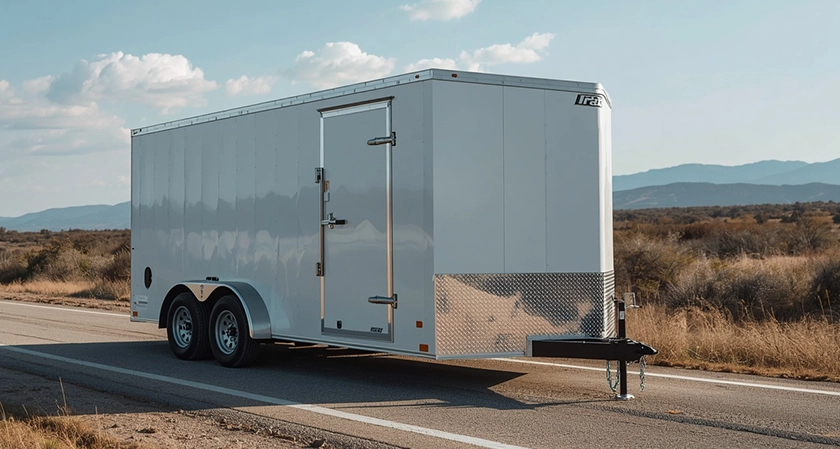
A cargo trailer looks simple. It is a box on wheels. The details decide whether it works for you or becomes a costly mistake.
Weight ratings, axles, brakes, and build quality matter most. Start with the job, then work through the specs.
Define the Job First
Write down what you will haul. Include the heaviest item and the bulkiest item. Add shelving, tool chests, and tie-downs to the total.
Then pick a size. Common widths are 6, 7, and 8.5 feet. Lengths run from 10 to 28 feet. Interior height decides if you can stand inside.
Think about the second use too. A trailer bought for tools may later carry furniture or a bike. Choose a layout that can change with you.
Measure your cargo with a few inches to spare. Do not buy the biggest box you can tow. Extra length adds weight, wind drag, and cost.
Pick the Frame Material
Material affects weight, price, and upkeep. Aluminum is light and resists rust. It suits snowmobiles, motorcycles, and long hauls where fuel use matters. Steel is heavier and usually costs less. It handles rough job site use.
Many builders offer both, plus hybrids that mix the two. A directory of enclosed cargo trailer brands and manufacturers sorted by build material can help you narrow the field before you visit a lot.
Weight matters for towing. An aluminum trailer can leave more of your truck's rating for cargo. A steel trailer of the same size may use up much more of it.
Steel needs protection from corrosion. Ask about coatings and drainage. Check seams and fasteners where water can sit.
Understand GVWR and Payload
Gross vehicle weight rating, or GVWR, is the maximum loaded weight of the trailer. You will find it on the VIN label. Never exceed it.
Payload is what you can actually carry. Subtract the empty weight from the GVWR. Say a trailer has a 7,000 pound GVWR and weighs 2,400 pounds empty. Its payload is 4,600 pounds.
Shelving, a generator, and tools eat into that number fast. Weigh your load if you are close to the limit.
Your tow vehicle sets the ceiling too. Check its towing capacity, payload, and hitch rating. Tongue weight should land near 10% to 15% of the trailer weight. Too little causes sway. Too much overloads the rear axle of the truck.
Match the Axles and Brakes
A common single axle is rated for 3,500 pounds. A tandem setup doubles that to 7,000. Tandem axles track straighter and give you a backup if a tire fails.
Look at the suspension. Leaf springs are simple and cheap to fix. Torsion axles ride smoother and need less service.
Electric brakes are standard on most enclosed trailers. Your truck needs a brake controller to run them. Make sure the trailer has a breakaway kit and a working battery. Many states require brakes above roughly 1,500 pounds loaded, so confirm your local rules.
Check the Build Details
Quality shows in the structure. Walk the trailer before you talk price.
- Wall studs spaced 16 inches apart are stronger than 24 inches.
- Floors should be at least 3/4 inch plywood with no soft spots.
- Welds should be clean and continuous.
- Door seals should close tight with no daylight showing.
- Roof seams should be sealed, and the vents should work.
- E-track or floor anchors should be bolted through the frame.
Test the ramp door. It should lift without strain and sit level when lowered. Look at the lights, wiring, and jack too.
Inspect the Tires
Tires carry the whole load. NHTSA data shows nearly 11,000 tire-related crashes each year, and it urges drivers to check pressure and condition before each use.
Look for tires marked ST, which means special trailer. Confirm the load range matches the axle rating. Read the date code on the sidewall. Trailer tires often age out before the tread wears down.
Underinflation is the usual culprit behind trailer blowouts. Check pressure cold, before every trip.
Check the spare and the lug nuts. Ask for a matching spare mount.
Plan the Ownership Costs
The sticker price is only the start. Add title, registration, insurance, and sales tax. Budget for a brake controller, hitch upgrades, and locks.
Compare warranty terms. Many cover defects for a limited time. Ask what is excluded and who handles repairs.
Buy With a Checklist
Match the trailer to the load and the truck. Verify the ratings with your own eyes. A careful walkthrough takes an hour and can save years of trouble.













Comments