>>
Industry>>
Real estate>>
What to Know Before You Buy a ...What to Know Before You Buy a Mountain Home in Tennessee
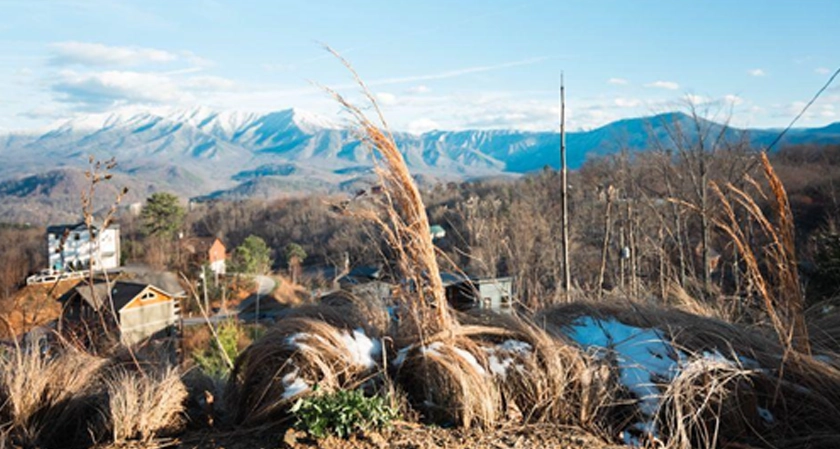
If you’re thinking about buying a mountain home in Tennessee, you’re not just picking a property—you’re choosing a lifestyle shaped by elevation, scenery, tourism, and small-town rhythms. East Tennessee, especially near the Smokies, draws buyers who want peaceful views without giving up access to shopping, restaurants, and outdoor recreation. The market can look dreamy at first glance, but mountain real estate comes with practical details you’ll want to understand before you commit.
Study the Local Market Before You Fall for a Listing
Mountain buyers often shop with emotion first and logic second. That order can get expensive. Views sell quickly, and polished listing photos can make almost any place look like a postcard with plumbing.
Take time to compare active listings, recent sales, time on market, and price per square foot. Focus on homes with similar access, acreage, condition, and rental potential. A cabin near a major tourism corridor won’t behave like a private home on a remote wooded tract.
If you’re exploring homes for sale TN mountains have local experts like the Local Realty Group who can help you navigate available properties, compare locations, and understand the buying process in Tennessee’s mountain communities. Look at how location, elevation, and usability affect value, not just the number of bedrooms.
Sharp buyers also watch for seasonality. Activity can shift during early spring and late fall, which may give you more room to negotiate than peak travel months.
Understand What Makes Mountain Property Different
Mountain homes don’t play by the same rules as suburban houses on flat lots. A beautiful ridge-view property may also come with steep driveways, tricky drainage, and road access that changes with the weather.
You’ll want to look beyond the photos. A wraparound porch and misty sunrise view can distract you from things like retaining walls, septic systems, and whether your car will grumble its way up the hill every winter.
Pay attention to:
- Slope and erosion risk
- Road maintenance responsibilities
- Internet and cell service strength
- Septic, well, or utility setup
- Emergency vehicle access
In mountain real estate, the terrain is part of the deal. It can add charm, value, and privacy, but it also adds maintenance and cost if you don’t inspect carefully.
Choose the Right Area for Your Actual Lifestyle
Tennessee’s mountain regions aren’t all interchangeable. Some areas feel tucked away and quiet, while others stay active thanks to tourism, second-home owners, and short-term rental demand.
Before you buy, think about how you’ll really use the home. Are you relocating full-time, buying a vacation place, or looking for an investment property with occasional personal use? Your answer changes everything.
A few lifestyle questions help narrow your search:
- Do you want to be near Gatlinburg, Pigeon Forge, or Sevierville?
- Are you okay with winding roads and limited nearby services?
- Do you need room for remote work or school?
- Will you rent it out seasonally?
The best property on paper can feel wrong in practice. A gorgeous cabin 35 minutes from groceries stops feeling magical pretty fast when you need milk, Wi-Fi, and a tire rotation.
Inspect for Mountain-Specific Problems
A standard home inspection matters, but mountain homes need extra scrutiny. Moisture, grading, and foundation movement can become major issues when a house is built into a slope or surrounded by dense tree cover.
Ask inspectors direct questions. Don’t settle for vague answers wrapped in polite real-estate language. “Some settling” can mean harmless aging, or it can mean your future wallet is about to get body-slammed.
Look closely at these areas:
- Roof age and storm exposure
- Crawl space moisture and ventilation
- Deck stability and wood condition
- Signs of pests or wood rot
- Drainage paths during heavy rain
- HVAC performance in colder elevations
If the home has a septic system or well, bring in specialists. Repairs in mountain areas can be slower and more expensive because access, terrain, and contractor availability all affect the job.
Learn the Rules on Rentals, Roads, and Restrictions
A lot of buyers assume they can purchase a mountain home and turn it into a short-term rental later. Sometimes that works. Sometimes local regulations, HOA rules, road agreements, or zoning details shut that plan down fast.
Read every restriction before you close. Not after. Not during your celebratory dinner. Before.
Important items to verify include:
- HOA fees and design rules
- Short-term rental permissions
- County or city occupancy regulations
- Private road maintenance agreements
- Easements and shared driveway access
- Insurance requirements in wooded or remote areas
Insurance deserves special attention. Premiums can rise if the property sits far from fire protection or has features insurers consider risky, like steep access roads or older wood construction.
A house may fit your budget at purchase, then surprise you with ongoing costs that completely change the math.
Budget for Ownership, Not Just the Purchase Price
It’s easy to focus on the sale price and monthly mortgage. Mountain ownership asks for a wider view. You may need to budget for tree work, driveway grading, snow treatment, gutter maintenance, pest control, and exterior staining more often than you expect.
Vacation-area properties can also bring irregular expenses. If you plan to rent the home, you might need furnishing updates, hot tub maintenance, permit costs, and extra cleaning coordination.
Build your budget around:
- Mortgage, taxes, and insurance
- Utility variability by season
- Maintenance reserves
- Travel time and fuel costs
- Property management, if needed
- Repair funds for weather-related issues
If you’re stretching just to buy the house, ownership may feel less like a dream and more like a part-time operations job. A mountain home should give you space to breathe, not just a scenic view of your financial stress.
Work With People Who Know Mountain Real Estate
Not every real estate transaction is equally complex. In the mountains, details matter more because the land itself affects value, safety, financing, and day-to-day use.
A local real estate professional can help you compare neighborhoods, evaluate access, flag red flags in listings, and understand whether a property fits your goals. That includes practical details big search portals usually gloss over, such as road quality, winter accessibility, and whether the “easy drive” description is doing some truly heroic marketing.
You should also line up a lender, inspector, and insurance agent who understand rural or mountain properties. Delays often happen when one part of the team treats the home like a standard suburban purchase.
Good support won’t replace your own research, but it will help you ask smarter questions, spot bad fits sooner, and move with more confidence when the right place appears.




















Comments