>>
Technology>>
E commerce>>
Why Business Cards Still Matte...Why Business Cards Still Matter in E-Commerce
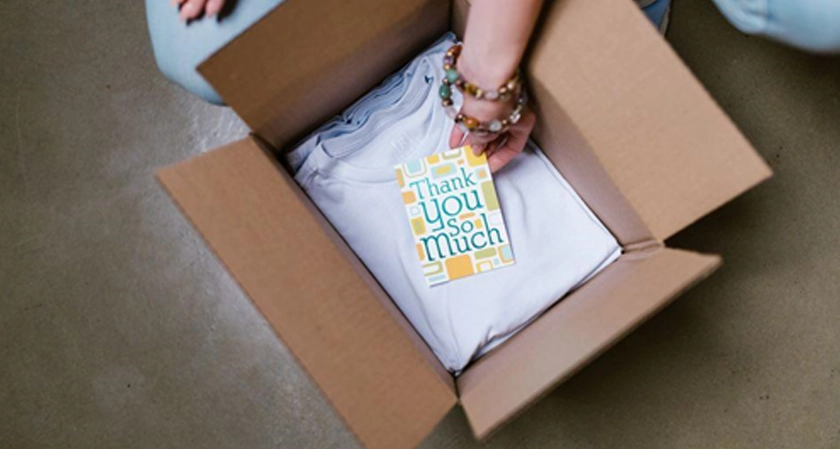
If you sell online, it’s easy to assume every customer touchpoint should stay on a screen. Yet e-commerce includes physical moments: unboxings, pop-up events, supplier meetings, trade shows, and local networking. A good business card still earns its place in that mix. It gives your brand a tangible edge, helps people remember you, and adds polish when your store needs to feel more real than just another browser tab.
Your Online Brand Still Needs an Offline Identity
Running an e-commerce business can make you think everything important happens through ads, emails, and checkout flows. That’s only part of the picture. Customers still judge credibility through small signals, and physical branding is one of them.
A business card can work like a compact brand asset. It carries your logo, color palette, tone, and contact details in a form people can keep. If you attend events, meet a wholesaler, or speak with a potential partner, pulling out a clean card lands differently than fumbling for your Instagram handle.
It also helps when your business exists in multiple places at once. Your website, packaging, social channels, and printed materials should feel connected. When they do, your brand looks organized instead of stitched together with digital duct tape.
Business Cards Create Real Memory in a Digital-First Market
People forget links. They forget usernames too, especially when they’ve just met ten brands in one afternoon. A physical card gives them something concrete to look at later.
That matters because memory is often tied to touch and context. If someone picks up your card after chatting at a conference booth or after opening an order, the card becomes part of that moment. It’s not just contact information. It’s a reminder of the interaction.
For online sellers, that memory effect is useful in surprisingly practical ways:
- It can prompt repeat visits to your store
- It can help influencers remember where to reorder samples
- It can give retail buyers an easy way to follow up
- It can make referral sharing much simpler
A card won’t replace your digital funnel. It gives that funnel a better chance of staying top of mind.
Packaging Inserts Are Quiet Sales Tools
One of the smartest places to use cards is inside your shipments. Packaging inserts don’t need to be loud or gimmicky to work. They just need a clear job.
A business card inside an order can invite the customer to reorder, scan a QR code, join a loyalty program, or contact you directly for larger purchases. It also adds a personal layer to the package, especially for small and mid-sized brands that want to feel human.
This is where quality matters. Flimsy cards with muddy colors or awkward spacing can make your brand look rushed. Sharp design and solid stock suggest care and consistency. If you’re comparing options for business card printing, think beyond basic contact sharing. You’re choosing a printed brand touchpoint that may sit in a customer’s hand longer than your homepage stays open.
Networking in E-Commerce Is Bigger Than Social Media
E-commerce sounds solitary from the outside. In reality, you’re constantly dealing with people: logistics partners, affiliate contacts, creators, investors, vendors, developers, event organizers, and wholesale prospects. Not every useful business relationship starts in a DM.
In-person interactions still move deals forward faster than many founders expect. A quick exchange at an expo or local retail meetup can open doors that months of cold outreach won’t. When that moment comes, you need something immediate and polished.
A business card does three useful things in those settings:
- It reduces friction during introductions
- It signals professionalism without a long pitch
- It gives the other person an easy next step
You don’t need a card packed with every platform you use. Name, role, brand, website, and one strong contact method usually do the job. Less clutter, more clarity.
Design Choices Affect Trust More Than You Think
Business cards are tiny, but they say a lot. Typography, spacing, material, finish, and print quality all shape how your company is perceived. People make snap judgments. Your card is part of that snap.
If your store sells premium products, your card should feel premium. If your brand is playful, the design can show that without turning into a circus flyer. Consistency is the real goal. The card should match the personality customers already see on your site and packaging.
Keep these design tips in mind:
- Use readable fonts, not trendy ones that fight the eyes
- Leave enough white space for the content to breathe
- Stick to brand colors that reproduce well in print
- Include only the contact details people will actually use
- Test QR codes before ordering a full run
A card that looks thoughtful feels trustworthy. A card that looks chaotic makes people wonder what your operations look like behind the curtain.
Small Brands Can Use Cards to Feel More Established
You don’t need a giant team or warehouse to benefit from printed materials. In many cases, smaller brands gain even more from them because physical details can help close the gap between being new and looking credible.
Imagine you run a niche skincare shop online. You send orders with a polished card that includes customer support details, your reorder link, and a short thank-you note. That simple addition can make the experience feel less anonymous and more premium.
The same idea works for handmade products, subscription boxes, apparel labels, specialty foods, and home goods. When customers see consistency across your site, packaging, and print materials, your operation feels stable.
That perception matters. Buyers may not know your revenue, team size, or fulfillment setup. They judge what they can see. A sharp card helps them see a brand that takes itself seriously.
When Business Cards Deliver the Best Return
Not every marketing tool deserves your budget. Business cards tend to work best when you use them in specific, intentional ways instead of treating them like a box to check.
They usually offer the strongest return when you:
- Attend trade shows or local markets
- Include them in every shipped order
- Meet potential stockists or collaborators in person
- Want customers to access support or reorder quickly
- Need a branded leave-behind after meetings
The key is distribution with purpose. Random stacks left on café counters rarely produce much. Cards handed to warm contacts, inserted into shipments, or given during relevant conversations perform better.
Physical branding won’t replace your SEO, paid ads, or email flows. It supports them. In e-commerce, where trust is fragile and attention is short, even a small printed item can do serious work.
A Simple Card Can Strengthen a Complex Sales Ecosystem
E-commerce businesses often operate through a web of systems: storefront platforms, fulfillment tools, marketing automation, review software, and analytics dashboards. That setup is efficient, but it can also make a brand feel distant.
A business card adds something your tech stack can’t: a tactile, direct, low-friction point of connection. It fits naturally into packaging, events, meetings, and follow-ups. It helps your business feel present in the real world, not just searchable in the digital one.
If you sell online, don’t treat printed materials like leftovers from a pre-digital era. Treat them as brand infrastructure. A strong card is simple, practical, affordable, and surprisingly effective.
Sometimes the smallest asset in your toolkit leaves the clearest impression. Not bad for a rectangle that fits in your pocket.













Comments