>>
Industry>>
Real estate>>
Why the Next Real Estate Boom ...Why the Next Real Estate Boom Will Depend on Construction Productivity as Much as Housing Demand
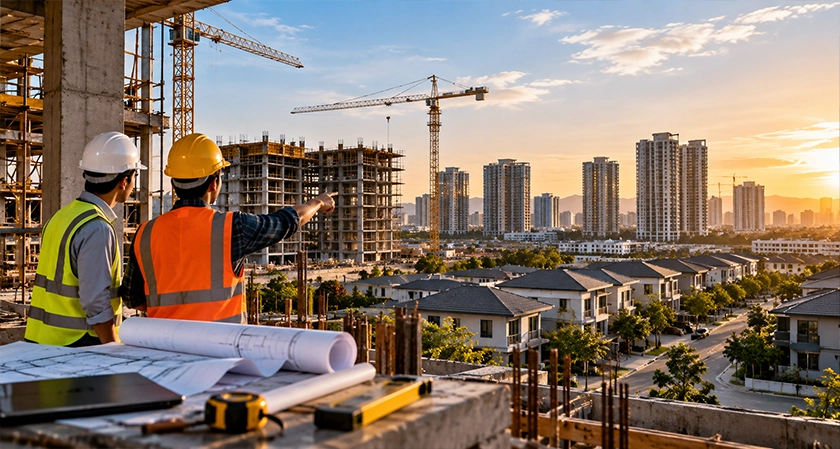
Housing demand often gets the most attention when people discuss the next real estate boom. Buyers want affordable homes, developers look for profitable opportunities, and investors search for markets with strong growth potential. But growing demand creates another challenge: how quickly and affordably those homes get built.
Construction delays, labor shortages, rising costs, and poor project planning affect how much housing reaches the market. Even when buyers are ready to purchase, developers still need projects that make financial sense.
The next period of real estate growth will depend heavily on how the construction industry handles these challenges. Below are the reasons why construction productivity deserves attention alongside housing demand.
Strong Housing Demand Means Little Without Faster Delivery
A growing population, rising household formation, and demand for better housing create opportunities for real estate developers. However, having thousands of potential buyers doesn't guarantee that enough homes will reach the market. Developers still need suitable land, building approvals, skilled workers, materials, and enough funding to complete their projects.
The time between planning a housing development and handing over completed properties affects how quickly a market responds to demand. When projects face repeated delays, new housing supply takes longer to become available. Buyers continue competing for existing properties, while developers wait longer to recover their investments. Strong demand then creates pressure on the housing market without producing enough additional homes.
Jerry Pinkas, President of Jerry Pinkas Real Estate Experts, shares that buyers feel this gap long before it shows up in housing reports. “When new construction falls behind, buyers end up competing for the same small pool of resale homes. Prices climb, bidding wars become normal, and first-time buyers get pushed out. In fast-growing coastal markets, the areas where builders keep projects on schedule are usually the ones where buyers still have real choices.”
Developers need to pay closer attention to the entire construction timeline. Tracking how long projects spend waiting for approvals, materials, inspections, and contractors helps identify problems before they affect completion dates.
Construction companies should review how work moves between different stages and where unnecessary waiting occurs. Local authorities have a role in improving approval procedures and supporting infrastructure development.
Skilled Labor Shortages Put Limits on Construction Growth
Construction depends on experienced workers who understand how to complete demanding tasks safely and correctly. Electricians, plumbers, carpenters, equipment operators, and other skilled professionals keep projects moving. When qualified workers are difficult to find, developers face delays even when funding and materials are available.
Labor shortages create problems beyond unfinished work. Experienced employees often carry knowledge that helps teams avoid mistakes, organize tasks, and identify problems early. When companies rely heavily on inexperienced workers without proper supervision, productivity suffers. Work takes longer, mistakes require corrections, and projects become harder to manage. Constantly replacing employees creates further difficulties because new workers need time to understand the site and its requirements.
Desmond Dorsey, Chief Marketing Officer at Bayside Home Builder, explains, “The shortage isn't only about headcount. Many crews have willing hands but very few people who can read a plan, spot a problem early, and teach the next person. When one experienced lead carpenter or site supervisor leaves, a job can slow down for weeks. Contractors who invest in mentoring and give their best people a long-term career path finish more projects on time.
Construction businesses should treat workforce development as part of their long-term growth plans. Apprenticeships, practical training, and partnerships with trade schools help bring qualified workers into the industry. Providing safer working conditions and clearer career opportunities helps companies retain experienced employees. Posting openings on a specialized construction job board can also help employers reach tradespeople who are actively looking for work, instead of sorting through general applicants.
Construction Delays Increase the Cost of Building Homes
Time has a financial cost in real estate development. Developers often borrow money to purchase land, prepare sites, and fund construction. Interest and other financing expenses continue throughout the project, including periods when little work is happening.
When construction takes longer than planned, these expenses put additional pressure on the budget. Equipment rentals, site security, project management, and certain overhead costs continue accumulating. Developers might need to extend financing arrangements or deal with unexpected changes in material and labor prices. A project that appeared profitable during planning sometimes becomes less attractive after several months of delays.
According to Dan Close, Founder and CEO of BuyingHomes, “Holding costs are the silent budget killer in real estate. Every extra month adds loan interest, insurance, taxes, and utilities, whether anyone is working on the property or not. Investors who plan for delays from the start rarely get caught out. The ones who assume everything will finish on time are usually the ones forced to sell at a discount or refinance on worse terms.”
These pressures influence future development decisions. Investors and lenders pay attention to construction schedules because delays affect when a project begins generating revenue or returns money through property sales. Developers with a record of missed deadlines could face greater difficulty securing favorable financing for future projects.
Improving productivity helps reduce uncertainty around project costs. Developers should prepare realistic construction schedules, identify tasks that affect the completion date, and review progress against agreed milestones.
Poor Planning and Coordination Create Expensive Rework
Construction projects bring together architects, engineers, contractors, suppliers, and several specialist teams. Each group has responsibilities that depend on work completed by someone else. When communication breaks down, small problems quickly affect the entire schedule.
Incomplete drawings, unclear instructions, and late design decisions force teams to stop work while waiting for answers. Sometimes completed work needs to be changed because another contractor discovers a problem that should have been addressed earlier. Rework wastes materials, increases labor expenses, and takes time away from activities that should already be underway.
These problems often begin before construction starts. Developers sometimes approve schedules before the design is sufficiently complete or fail to review how different building systems fit together. Once construction begins, resolving those issues becomes more expensive and disruptive.
Better planning requires early involvement from the people responsible for delivering the work. Architects, engineers, and contractors should review important design details before materials are ordered and installation begins.
Project managers need clear procedures for approving changes, updating drawings, and communicating decisions to every affected team. Regular coordination meetings should focus on upcoming work and unresolved problems that could delay progress.
Timothy Allen, Sr. Corporate Investigator at Oberheiden P.C., warns that poor coordination often turns into a legal problem as well as a scheduling one. “When change orders are approved verbally and nobody updates the paperwork, disputes over who caused a delay become very hard to resolve,” Allen said. “Clear written records of every decision protect developers, contractors, and lenders alike. They also make it much easier to catch billing errors or unauthorized work before small issues grow into costly claims.”
Material Availability and Purchasing Decisions Affect Project Timelines
Construction materials represent a major part of development costs, and their availability affects nearly every stage of a project. Delays in receiving essential materials leave workers waiting, interrupt planned activities, and force managers to rearrange schedules.
Purchasing decisions become particularly important when developers manage several projects at once. Ordering materials too late creates delivery problems, while purchasing large quantities before they're needed ties up money and increases storage costs. Materials left on construction sites for long periods face greater exposure to weather damage, theft, and unnecessary handling.
“A surprising amount of material damage happens before anything gets installed. Products sit on wet ground, get moved three or four times around a crowded site, or arrive on weak packaging that breaks during unloading. Better storage and handling plans sound minor, but they cut waste, protect budgets, and keep crews from waiting on replacement deliveries,” notes Daniel C, CMO of Preface Pallets.
Price changes create another concern. Developers working with tight budgets need reliable information about material costs before committing to major purchases. Unexpected price increases affect financial planning, especially when contracts provide limited room for additional expenses.
Construction companies should connect purchasing decisions with their project schedules. Procurement teams need to know which materials are required, when installation will begin, and how long suppliers normally take to deliver them.
Maintaining reliable supplier relationships helps companies receive better information about availability and delivery problems. Where appropriate, selecting readily available materials and limiting unnecessary changes to approved specifications reduces purchasing difficulties.
Better Building Methods Help Construction Teams Complete More Work
Many construction activities involve repeating similar tasks across rooms, floors, and housing units. Yet teams often approach these tasks using methods that require considerable manual work and repeated adjustments on-site.
Improving construction productivity involves reviewing how these activities are completed. Standardized building components, clearer installation procedures, and better equipment help workers complete repetitive tasks with fewer interruptions. Some projects benefit from prefabricated components manufactured away from the building site and installed after delivery.
Tom Rockwell, CEO of Concrete Tools Direct, points out that equipment choices shape productivity more than many developers expect. “Concrete work is a good example. Crews still lose hours to worn blades, underpowered saws, and machines that break down halfway through a pour. The contractors who track downtime and match their equipment to the job usually finish faster with fewer defects. Good tools won't fix a bad plan, but poor tools can ruin a good one.”
These methods offer opportunities to improve consistency and reduce certain types of construction waste. However, their success depends on project design, transportation requirements, worker skills, and the availability of suitable suppliers.
Developers should assess which methods fit their projects before investing in expensive technology or equipment. Standardizing selected components across developments helps simplify purchasing, training, and installation. It could also reduce the number of different materials and parts teams need to manage.
Alfred Christ, Digital Marketing Manager at ROKR, believes the lessons of precision assembly apply well beyond construction. “Anyone who has built a complex model from pre-cut parts knows how much depends on the design stage,” Christ explains. “When every piece is cut accurately and the steps follow a logical order, people with very different skill levels can put together something complicated without mistakes. Building sites work the same way. The more thinking goes into the components before they arrive, the less improvising crews have to do.”
Construction Productivity Will Influence Which Housing Projects Are Financially Possible
Housing demand exists across different income levels, but developers don't face the same financial conditions when building every type of property. Land prices, construction expenses, infrastructure requirements, and financing costs influence which developments make financial sense.
When building costs remain high, developers have fewer options for serving buyers with limited budgets. Projects aimed at lower and middle-income households face particular pressure because there is less room to absorb unexpected expenses. Rising construction costs sometimes push developers toward properties with higher selling prices, leaving an important part of the housing market underserved.
Natalia Bassova, Founder & CEO at Resort Real Estate Inc., sees this pressure clearly in mountain resort towns. “When land is scarce and crews have to travel in for every job, building costs climb fast, and most new projects end up aimed at the top of the market. The teachers, nurses, and seasonal workers who keep these towns running struggle to find anything they can afford. Faster, more predictable construction is one of the few levers that can bring more mid-priced homes back into the mix.”
Better productivity helps improve project feasibility by reducing avoidable expenses and making construction schedules more predictable. Developers gain greater control over their budgets and have more opportunities to assess projects that previously offered limited financial returns.
However, improving construction alone won't resolve housing affordability problems. Expensive land, restrictive development rules, infrastructure shortages, and high financing costs continue affecting the final price of homes.
Developers should evaluate project costs from the earliest planning stages and identify opportunities to improve efficiency without lowering building standards. Local governments need to review approval delays, infrastructure capacity, and development requirements that create unnecessary barriers.
The Bottom Line
The next real estate boom will require developers to respond to housing demand while managing the growing challenges of construction. Labor availability, project delays, material costs, and poor coordination all affect how quickly new properties reach buyers.
If you're investing in real estate or planning a development, look beyond demand forecasts. Review construction timelines, contractor performance, financing costs, and the practical challenges involved in completing projects.
Developers who improve these areas will be better prepared to build consistently and manage costs. Strong housing demand creates opportunities, but the industry's ability to deliver completed homes will determine how much of that demand becomes actual development.













Comments