>>
Technology>>
Security>>
Why Modern Venues Need Securit...Why Modern Venues Need Security Screening Without the Bottlenecks
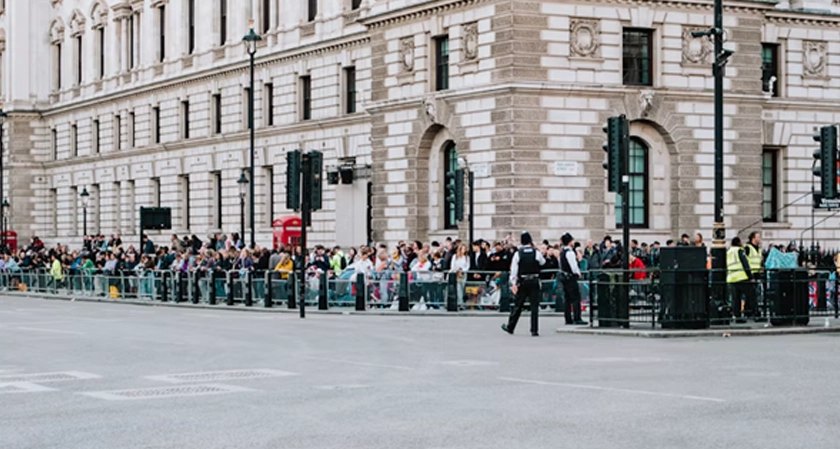
It was evening, and I had just packed the last thing into my suitcase for an early morning flight to Vienna. My husband, our nine-month-old baby and I were going because I had somehow managed to get one of the most wanted tickets around: Taylor Swift’s Eras Tour.
Then a friend sent me a screenshot. The concert was canceled due to a planned terrorist attack.
Despite the news, we traveled to Vienna as planned. We ran into endless fans swapping friendship bracelets, all with the same profound letdown. I had never considered it deeply until then, but effective security operations ensured that thousands returned home safe, even if heartbroken, instead of facing tragedy.
We have seen how quickly large gatherings can become targets. The 2017 Manchester Arena bombing killed 22 people after an Ariana Grande concert, while the 2021 Astroworld tragedy showed how quickly crowd movement and overcrowding can turn dangerous, with 10 people losing their lives.
That is why modern venues need reliable security detection systems. But there is a catch: screening that is thorough but painfully slow can create a new set of problems.
Why Bottlenecks Are a Security Problem
A slow security checkpoint does more than annoy visitors.
People waiting are still exposed
A security perimeter only works when it protects the people within it. If hundreds or thousands of visitors are stuck outside waiting to be screened, they are still exposed to whatever is happening around the venue.
That can include threats from someone attempting to approach the crowd with a weapon, as well as the risk posed by vehicles around busy entrances.
The longer people remain concentrated in one area, the longer that vulnerability lasts.
An estimated 50,000 ticketless people gathered outside the stadium in Munich for Taylor Swift’s Eras Tour show.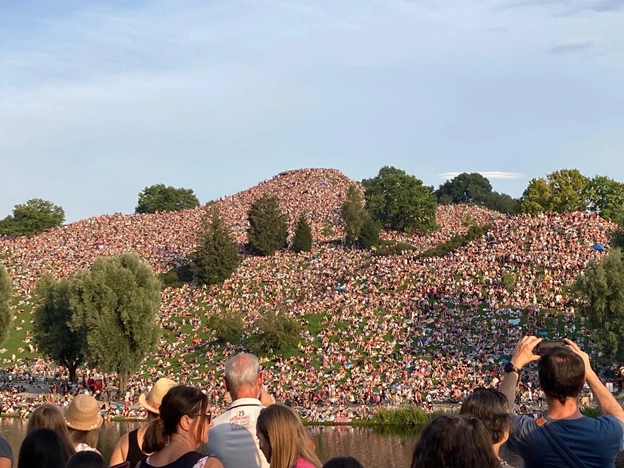
Arrival surges can overwhelm entrances
A stadium may have tens of thousands of people arriving within a relatively short window before a game.
If screening cannot keep up, the queue grows faster than it moves. People spill into surrounding areas, entrances become congested and staff have a harder time controlling where visitors are standing and how they are moving.
A good screening system therefore needs to handle sudden surges, not just process one person quickly.
Chaos makes suspicious behavior harder to spot
There is also a human element that technology cannot completely replace.
Security staff are trained to notice unusual behavior, but a crowded and frustrated queue makes that much harder. People start fidgeting, looking around, checking the time, adjusting bags, moving between lanes or becoming visibly irritated because they have been waiting too long.
Someone behaving nervously because they are simply late for a concert can look very different from someone deliberately trying to conceal something, but when everyone in the queue is restless, those distinctions become harder to see.
This is another reason efficient screening matters. The smoother the environment, the easier it is for trained personnel to notice behavior that genuinely stands out.
Nuisance alarms take attention away from real threats
The same problem applies to the screening process itself.
If visitors constantly need to stop and remove belts, coins, keys, watches, jewelry and wallets, officers have to spend time dealing with harmless alarms and secondary checks. That means less attention for genuine concerns.
Better discrimination technology can reduce those unnecessary interruptions, allowing security staff to concentrate on actual alarms and situations requiring human judgment.
Frustration creates its own operational problems
There is a simple human factor, too: people have limited patience.
At an airport, passengers may tolerate a slow checkpoint because they know they need to get on their flight. At a nightclub, festival or concert, someone may decide that standing in an endless queue is not worth it. Others may become confrontational or start looking for another way into the venue.
Even without bad intentions, large groups of tired, frustrated people are simply harder to manage.
And for an event someone paid good money to attend, the last thing a venue wants is for the opening act to start while half the audience is still waiting outside.
Technology Can Keep Security Moving
Modern security detection systems are increasingly designed to balance detection with throughput.
For instance, certain newer systems are designed to screen visitors without requiring them to unpack backpacks, purses and other bags that do not contain large metal items, ensuring high-throughput screening and minimal nuisance alarms.
Walk-through metal detectors have also become more sophisticated. Advanced discrimination technology can allow visitors to keep everyday items such as belts, coins, keys, watches, wallets and jewelry on them instead of stopping to remove everything.
That may sound like a minor convenience, but multiply those saved seconds across several thousand visitors and the effect becomes significant.
AI-assisted screening can add another layer, with sensors and recognition technology used to identify potential threats and allow visitors to flow through the checkpoint more naturally. It should complement trained personnel, not replace them, giving staff more time to investigate alerts, observe behavior and conduct secondary screening.
Better Flow Starts Before the Checkpoint
The technology is only part of the solution.
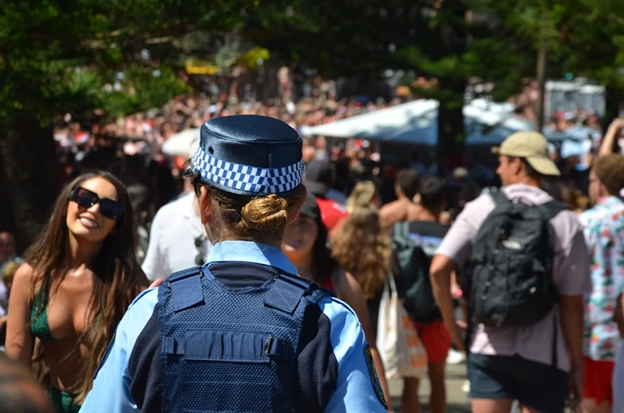
Multiple screening lanes can help venues absorb arrival surges. Clear signs can explain what visitors can bring before they reach the front of the line. QR-coded tickets can speed up admission, while RFID wristbands can make access easier at festivals and other multi-day events. Staff badges can simplify entry for employees and contractors.
The point is to avoid making one checkpoint responsible for the entire visitor experience.
Good security is layered, and good crowd management should be, too.



















Comments