>>
Industry>>
Industrial Automation>>
Why Welding Safety Is a Manufa...Why Welding Safety Is a Manufacturing Priority
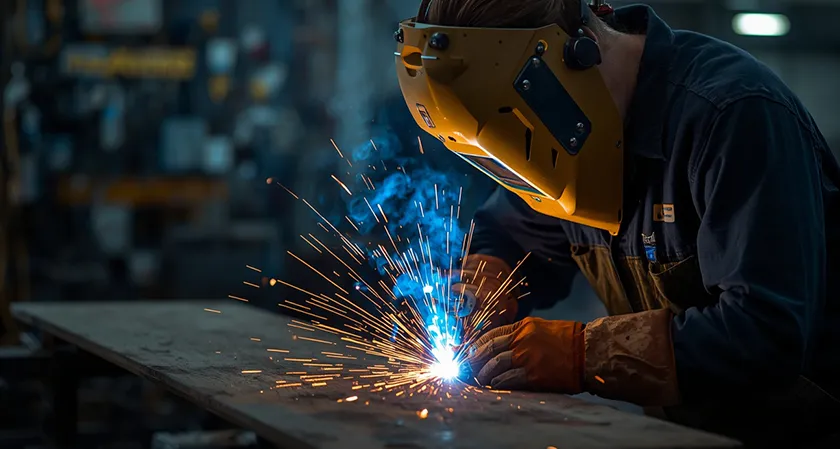
For the executives who run modern manufacturing, welding is easy to overlook. It happens on the shop floor, far from the boardroom, and it usually just works. Yet few processes carry more concentrated risk. An arc burns hotter than the surface of the sun, throws sparks across a bay, and floods the area with intense light. Treating that as routine is a costly mistake.
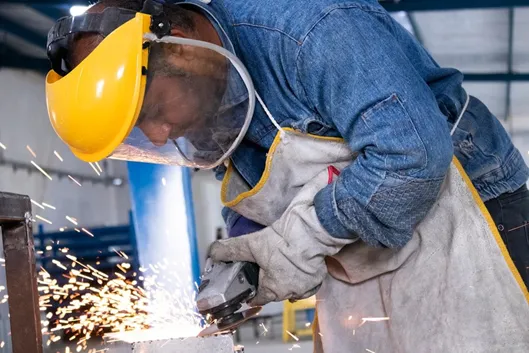
Alt text: A welder at work with bright sparks
Smart operators have learned that protecting a welding area is an operational decision, not just a compliance box. Purpose-built AKON welding curtains contain sparks and shield nearby workers from arc flash while keeping a clear line of sight. Small investments like these sit at the intersection of safety, productivity, and cost. Here is why they belong on the priority list.
Why Does Welding Safety Deserve Serious Attention?
Because the risks are severe and constant. A single incident can stop a whole line.
Welding hazards are not rare edge cases; they are present every shift a torch is lit. An unshielded arc can cause eye injury to a worker simply walking past, and stray sparks are a leading cause of industrial fires. Beyond the human cost, an injury triggers downtime, investigation, and rising insurance premiums. Protecting the process protects the entire operation.
The point is exposure. The risk is daily, not occasional.
What Are the Real Risks On a Welding Floor?
More than most people realize. The dangers extend well past the welder.
A working arc creates several distinct hazards at once:
- Arc flash that can burn the eyes of anyone nearby.
- Flying sparks that ignite materials feet away.
- Intense heat from metal at thousands of degrees.
- Fumes and gases that demand proper ventilation.
The OSHA guidance on welding hazards lays out how each of these must be controlled. Address them together, not one at a time.
How Do Welding Curtains Protect a Workspace?
By containing the danger at its source. A good barrier does several jobs at once.
Alt text: A modern manufacturing factory floor
Welding curtains and screens block sparks and spatter from reaching other workstations, while their tinted material filters the harmful light of the arc. Crucially, the best designs still let supervisors keep a clear line of sight into the bay. This lets a busy shop run multiple welding stations close together without one worker endangering the next. Containment turns a hazardous zone into a managed one.
The rule is separation. Wall off the arc, not the view.
What About the Arc and a Worker's Eyes?
This is the most underrated risk. Arc eye can strike a passer-by in seconds.
The intense ultraviolet light from welding can injure unprotected eyes even from across a room, a condition welders call arc eye. Following the OSHA rules on eye and face protection is essential for the welder and everyone around them. Tinted curtains add a second layer, cutting the flash that reaches nearby staff. Layered protection is what keeps an incidental glance from becoming an injury.
The point is layers. Protect the welder and the bystander.
How Does Safety Affect the Bottom Line?
Directly and measurably. Safety and productivity pull in the same direction.
Fewer incidents mean less downtime, lower insurance costs, and a workforce that trusts its employer. Building strong manufacturing safety standards protects both people and margins at the same time. Studies of connected safety programs report double-digit drops in workplace incidents once protection is taken seriously. Treating safety as an investment tends to pay back many times over.
The rule is alignment. Safe floors are efficient floors.
What Should a Welding Safety Setup Include?
A layered system, not a single fix. Each element covers a different gap.
The core components of a well-protected welding area are these 5:
- Physical barriers. Curtains or screens to contain sparks.
- Personal PPE. Helmets, gloves, and flame-resistant clothing.
- Extraction to remove fumes at the source.
- Fire control. Extinguishers and clear, uncluttered exits.
- A genuine workplace safety culture and routine review.
Each layer matters. Together they turn a dangerous task into a controlled one.
Key Points to Keep In Mind
- A welding arc burns hotter than the surface of the sun.
- Arc flash can injure the eyes of workers simply passing by.
- Sparks are a leading cause of avoidable industrial fires.
- Welding curtains contain sparks while keeping a line of sight.
- Fewer incidents cut downtime and insurance costs.
- Real safety layers barriers, PPE, ventilation, and training.
A Priority Worth Protecting
Welding will remain central to manufacturing for a long time, and so will the risks that come with it. The operators who thrive are the ones who treat those risks as a business priority rather than a floor-level detail. Invest in solid barriers, layer your protections, and build a culture where safety is simply how work gets done. Do that, and you protect your people, your uptime, and your bottom line all at once.
Frequently Asked Questions
Why Are Welding Curtains Necessary if Welders Wear Helmets?
Helmets protect the welder, but not the people around them. An unshielded arc can injure the eyes of a colleague walking past, spark a fire several feet away, or flood a shared space with harmful light. Welding curtains contain those hazards so one workstation does not endanger the next. In a busy shop with several welders, that separation is essential rather than optional.
Do Welding Curtains Block the View of Supervisors?
Good ones do not. The better products use tinted, translucent material that filters the harmful arc light while still allowing a clear line of sight into the bay. That lets supervisors monitor work and lets welders stay aware of movement around them. It is a deliberate balance between containment and visibility, and it is worth prioritizing when choosing a system.
What Is Arc Eye and How Serious Is It?
Arc eye, or arc flash burn, is a painful eye injury caused by the intense ultraviolet light of welding. It can affect anyone who looks toward an unshielded arc, even briefly and from a distance. Symptoms often appear hours later and include pain, tearing, and light sensitivity. It is usually temporary but genuinely serious, which is exactly why layered light protection matters so much.
Is Investing In Welding Safety Really Cost Effective?
For almost every operation, yes. The upfront cost of curtains, PPE, and training is modest next to the price of a single serious incident. Injuries bring downtime, investigations, higher premiums, and lost trust. Programs that take protection seriously routinely report meaningful drops in incidents. Framed that way, safety spending is one of the more reliable investments a shop floor can make.













Comments