>>
Industry>>
Energy and Utility>>
A Guide to Cutting Energy Use ...A Guide to Cutting Energy Use in Commercial Buildings
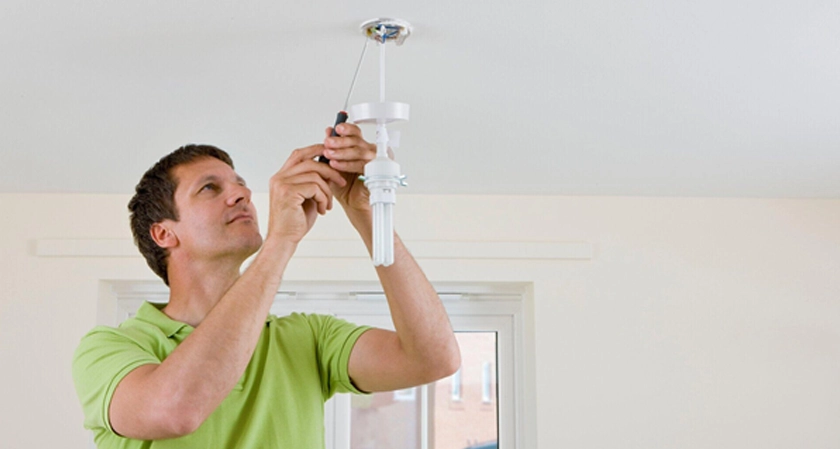
Cutting a commercial building’s energy use starts with finding what runs longer, works harder, or consumes more power than necessary. Empty offices with bright lights and cooling systems running overnight can waste a lot of money.
You don’t need to replace every system at once. Start with operating habits, use your bills to check progress, and plan equipment upgrades around the problems you actually find.
Start With Better Tracking
Before buying equipment, establish how much energy your building uses and when it uses it. Gather at least a year of utility bills, then compare consumption against operating hours, occupancy, and seasonal weather.
Look beyond the total bill, since changing utility rates can hide whether your building is becoming more efficient. Interval data, when available through your utility, can help reveal electricity use during nights, weekends, and holidays.
Walk through the building outside normal business hours to investigate unexpected demand. Record what’s running, identify who controls it, and assign someone to review the findings each month.
Upgrade Lighting and Match it to Occupancy
Lighting improvements should address both the fixtures and their operating hours. Efficient lights still waste electricity when they illuminate empty rooms.
Consider LED upgrades alongside occupancy sensors, daylight controls, and scheduling. And consider those measures together rather than treating a fixture replacement as the whole project.
When you need to upgrade your lighting or deal with other electric issues, it’s best to hire a professional in the local area.
For instance, this Los Angeles electrical contractor has core electrical capabilities that include lighting retrofits, commercial lighting design, and other electrical services for commercial facilities.
To reduce energy, begin by focusing your lighting review on these three areas:
- Replace inefficient fixtures with suitable LEDs
- Add occupancy controls where room use varies
- Adjust schedules and daylight settings to actual needs
Reduce Energy Waste from Hot Water
Hot water used in restrooms, kitchens, and showers adds another energy load to manage. Fix leaking hot water fixtures so the building stops wasting both heated water and the energy used to warm its replacement, as recommended by the General Services Administration.
Have a qualified professional inspect accessible hot water pipes for missing or damaged insulation. Replacing degraded insulation helps reduce heat loss, so less energy escapes before hot water reaches the people using it.
Reduce the Energy Used by Office Equipment
Computers, printers, kitchen appliances, and other plugged-in equipment deserve attention alongside major building systems. Combining equipment controls with staff involvement is crucial.
Set Practical Shutdown Rules
Work with your IT team to enable appropriate sleep settings and identify equipment that can shut down after hours. Explain the changes to employees so they understand what should stay on and what should not.
Choose Controls Carefully
Use timers or controlled outlets only where they suit the connected equipment and its operating requirements. Keep essential systems, refrigeration, and devices requiring continuous power outside blanket shutdown rules.
Recheck Building Controls Through Commissioning
Building settings can drift as tenants change, equipment gets replaced, and temporary overrides become permanent. Existing-building commissioning provides a structured way to investigate how systems operate together and correct problems.
Keep checking performance rather than assuming an earlier upgrade will keep delivering results without attention.
Ask the commissioning team to document faulty sensors, scheduling conflicts, and unnecessary equipment operation. Prioritize corrections by cost, disruption, and expected benefit. Then, verify performance after the work is complete.
Make sure the team records the corrected settings and explains them to the building staff. Clear documentation helps prevent old schedules or unnecessary overrides from returning when responsibilities change.
Review energy use after the adjustments, accounting for differences in weather, occupancy, and operating hours. Schedule follow-up checks to catch recurring problems and keep systems aligned with how the building is used.
Reduce Elevator and Escalator Energy Use
In buildings with elevators or escalators, ask the equipment service provider to review energy-saving options. You could reduce power to nonessential elevator devices during idle periods and minimize escalator energy use when passenger demand is low.
Have the provider check whether existing equipment supports standby settings or reduced-speed operation.
Any adjustments should preserve safe operation and accessibility, allowing the building to reduce unnecessary electricity use without limiting the services occupants need.
Turn Energy Savings Into a Routine
Cutting energy use in commercial buildings works best as an ongoing process: find waste, make targeted changes, and check the results. Keep things like lighting schedules, equipment shutdown rules, and maintenance responsibilities clear as building use changes.
Hopefully this article has been of some help in enabling you to cut energy use in the commercial building you operate. Yes? Well, if that is the case, then take a moment of your time to check out some of the other informative and insightful posts on our site!













Comments