>>
Technology>>
Artificial intelligence>>
AI Can Build Your Brand. It Ca...AI Can Build Your Brand. It Can’t Build a Great Business
A customer can be dazzled by your website and sold on the promise before they ever meet you. Then they show up. The equipment is dirty. Nobody knows what is happening. The staff looks unprepared. A simple question gets three different answers. All the money spent winning that customer starts working against you.
That is the business reality AI will make harder to ignore. Artificial intelligence helps almost anyone produce polished copy, images, websites, and marketing. The U.S. Chamber of Commerce’s 2026 small business technology report found that 66% of small businesses now use AI, nearly three times the share in 2023. Professional presentation is becoming easier to buy, build, and imitate. It is no longer enough to stand out.
The next competitive advantage is what happens after the customer clicks.
After years of building businesses, I know customers see the tip of the spear: the activity, meal, service, or adventure. They do not see the decisions that make it work. Owning a steakhouse does not mean eating steak every night. It means making sure the dining room is ready, the kitchen is organized, the staff members know their jobs, and the meal arrives the way it should. The steak gets the attention. The operation earns the reputation.
The same principle applies to any business selling an experience. The helicopter ride, the outdoor adventure, the special event, the destination getaway. Those are the moments customers came for. But the experience begins well before the main event. It starts with the first phone call, the directions, the check-in, the condition of the equipment, and the confidence customers feel in the people running the show.
Small details make a statement. In an earlier IT job, I watched customers react differently after we organized and labeled a server room’s cables. The software had not changed. The system worked as before, but the room now looked cared for. That mattered.
Appearances are not everything. A polished aircraft is no substitute for proper maintenance, and a spotless facility cannot make an unsafe operation safe. Visible care suggests discipline behind the scenes. Neglect makes customers wonder what else has been overlooked.
In aviation, that distinction is especially important. The FAA’s May 28, 2027, deadline requires existing Part 135 operators and commercial air tour operators holding relevant Part 91.147 authorizations to implement formal Safety Management Systems. These systems are designed to make safety an active discipline: identifying hazards, managing risk, reporting concerns, training people, and continually improving procedures. A safety manual gathering dust is not a safety culture.
The challenge is real, particularly for smaller operators. A 2026 survey by Vertical Aviation International found that more than one-quarter of respondents were unprepared or had only just begun implementing the requirements; just under half said they were compliant. I understand the work involved. Building a formal system takes time, expertise, honest evaluation, and a willingness to expose weaknesses before they become problems. But that is precisely the point. Safety cannot depend on luck, good intentions, or one experienced person remembering everything.
The same discipline belongs in customer service. One email sent six months before an event is not a customer relationship. People need clear instructions, timely reminders, updates when plans change, and a real person who can answer a question. Technology can automate messages, manage bookings, and collect digital waivers. It cannot always recognize uncertainty in someone’s voice, calm a nervous customer, or make a sound judgment when something unexpected happens. That still takes people.
And people are where businesses should be investing. Hire carefully. Train continuously. Give employees the tools and authority to do their jobs well. Build systems that make good performance repeatable instead of relying on a few heroic individuals to rescue a broken process. Use AI to eliminate busywork and improve efficiency, but do not confuse efficiency with excellence.
Business owners should try something simple: experience their own operation as a customer would. Follow the journey from the first search to the final goodbye. Look at the vehicles, facilities, equipment, instructions, staff interactions, and follow-up. Ask what feels confusing, careless, slow, or unnecessarily difficult. Then fix it.
There is a paradise-and-hell divide opening up in business. On one side are companies using technology to make capable people even better, delivering what they promise and creating experiences customers want to repeat. On the other are companies polishing the storefront while the operation behind it falls apart. They may win the click, the booking, or the first sale. They will not win lasting trust.
AI can help you get noticed. It can help you look like a world-class operation. But when the customer walks through the door, climbs aboard, or puts their trust in your hands, the technology steps aside. Your people, your preparation, and your standards take over. That is where your reputation is made, or lost.
About the Author
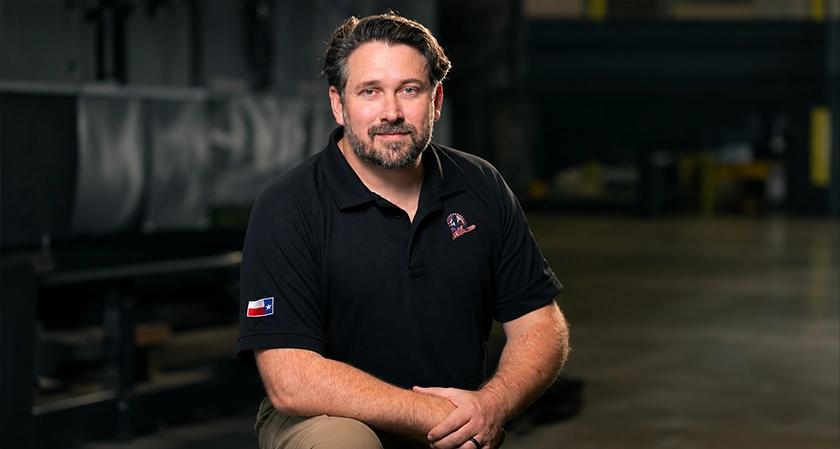
Chris Britt is an entrepreneur and the CEO and co-founder of HeliBacon, a Texas-based experiential outfitter specializing in helicopter-based activities and outdoor entertainment. A lifelong aviation and firearms enthusiast, Britt brings an operator’s perspective to business, customer experience, and safety. His work connects distinctive visitor experiences with practical land-management needs and local economic activity.









Comments